
Picture a warm summer afternoon—you’re standing by the calm lake, sunlight glistening on the surface. Jumping straight into the water sounds irresistible. But before you do, it’s worth asking: Is swimming in a lake really safe?
Swimming in a lake can be refreshing and enjoyable, but unlike a pool, it isn’t filtered, chemically treated, or maintained daily. That means bacteria, hidden hazards, and unpredictable wildlife could all be present.
This guide walks you through the main risks, practical safety tips, and a comparison between lakes and pools, so you can make an informed decision before your next swim.
Risks of Lake Swimming
- Water Quality
Lakes lack filtration and disinfection. Conditions vary depending on weather, location, and human activity nearby.
- Bacteria & Pollution: Runoff after rainfall can bring harmful bacteria like E. coli, which may cause stomach illness, skin infections, or ear problems.
- Algal Blooms: Some lakes develop harmful algae, which can trigger rashes, eye irritation, or even respiratory issues if touched or ingested.
- Physical Hazards
Natural waters often hide risks:
- Sudden changes in depth.
- Rocks, branches, or debris underwater that can cut or injure.
- Strong or shifting currents—even challenging for experienced swimmers.
- Wildlife
Most lake creatures are harmless, but risks exist:
- Leeches, biting insects, or certain fish may cause discomfort.
- Snakes and snapping turtles usually avoid people but may bite if threatened.
- In some southern U.S. states, alligators make lakes especially unsafe.
How to Swim in Lakes More Safely
You can reduce risks by taking precautions:
- Check local water quality reports, especially after rainfall.
- Swim in designated areas—these are often tested and monitored.
- Watch for signs of algae, debris, or strong currents.
- Wear a life jacket in deep or unfamiliar waters.
- Never swim alone; always go with a buddy.
- Be mindful of water temperature—mountain or spring-fed lakes can cause cold shock.
Lake vs. Pool — Which Is Safer?
Lakes feel adventurous and natural, but pools are more controlled:
- Pools are filtered, disinfected, and regularly tested, reducing bacteria risks.
- No hidden obstacles, wildlife, or unpredictable currents.
- Uniform depths make pools safer for children and casual swimmers.
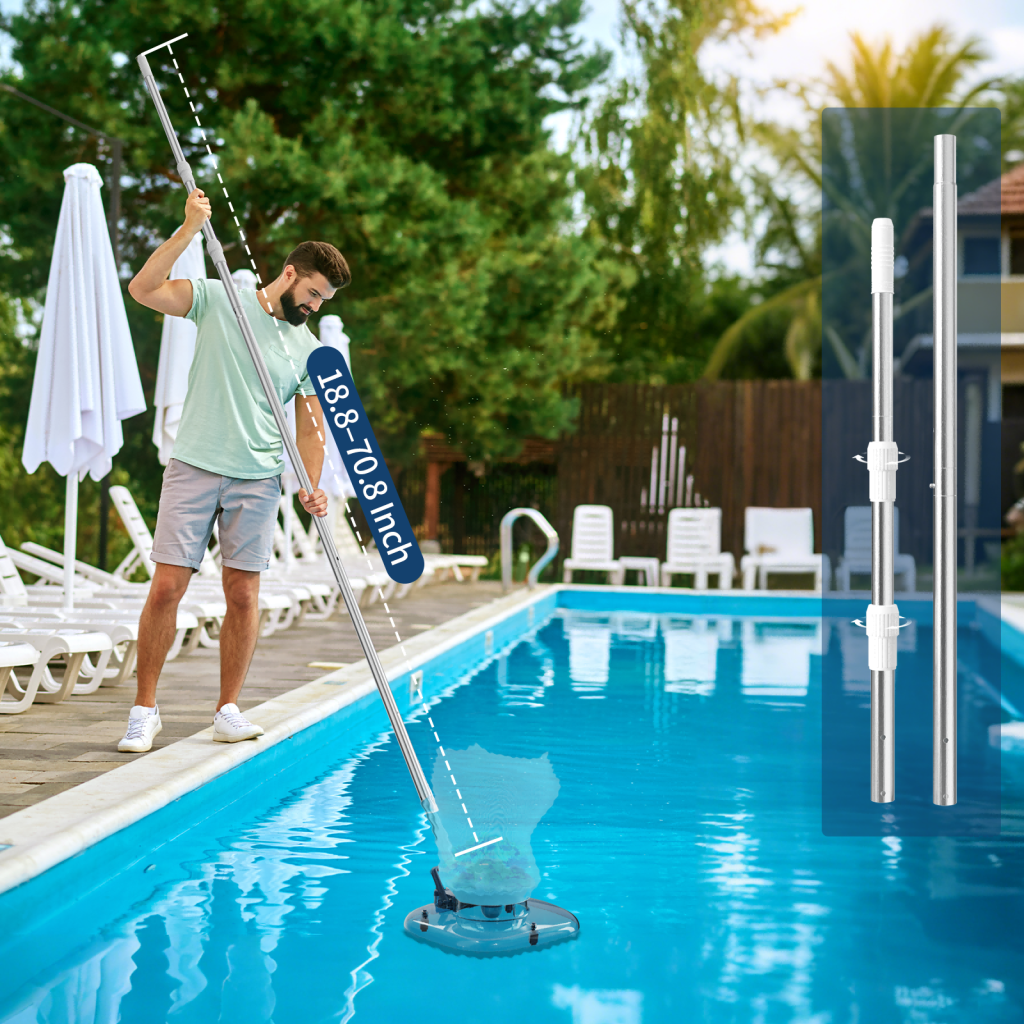
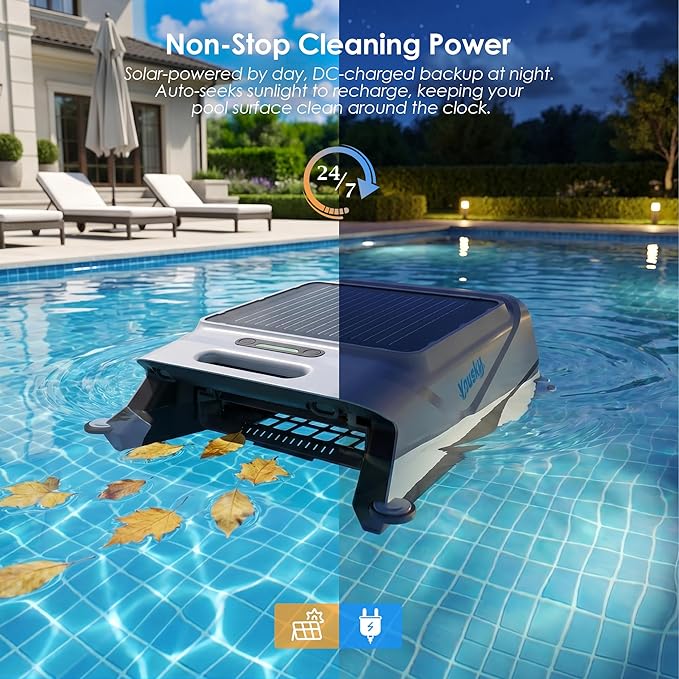
That’s why many prefer swimming in pools. For pool owners, regular maintenance is key—and many use Yousky handheld or smart pool cleaners to keep water crystal clear, safe, and healthy.
Conclusion
Lake swimming brings you closer to nature, but risks should not be ignored. By checking water quality, recognizing hidden dangers, and taking proper precautions, you can enjoy it more safely. Still, if you want a cleaner, more controlled, family-friendly environment, a well-maintained pool is the better choice.
FAQs
Q1. How do I know if a lake is safe for swimming? Clear water, no unusual color or smell. Avoid swimming right after heavy rain, and steer clear of areas with algae or floating debris.
Q2. What gear should I bring for lake swimming? Bright swim cap, buoy, polarized goggles, and a life jacket. For cold lakes, consider a wetsuit. A whistle and small first-aid kit are also useful.
Q3. Is swimming in a lake more dangerous than a pool? Yes. Lakes are uncontrolled natural environments with currents, bacteria, and low visibility. Pools are cleaner and safer overall.
Q4. What should I watch out for when swimming in a lake? Choose areas with lifeguards, don’t swallow lake water, avoid swimming with open wounds, and check water quality and weather in advance.
Q5. How can I keep kids safe while swimming in lakes? Always supervise closely, provide floatation devices, teach basic safety rules, choose designated swim zones, and avoid sudden drop-offs or underwater hazards.
-300x300.jpg)


.jpg)

 English
  French
  Italian
  German
  Spanish
  Polish
  Danish
  Indonesian
  Swedish
  Russian
  Turkish
  Portuguese