
Is your once-sparkling pool starting to look cloudy? Do the walls or floor feel rough?
If so, you’re likely dealing with hard pool water — one of the most common issues pool owners face.
The good news: you can absolutely fix it. This guide explains how to soften your pool water step by step, what causes water hardness, and how to maintain perfect balance for long-term clarity.
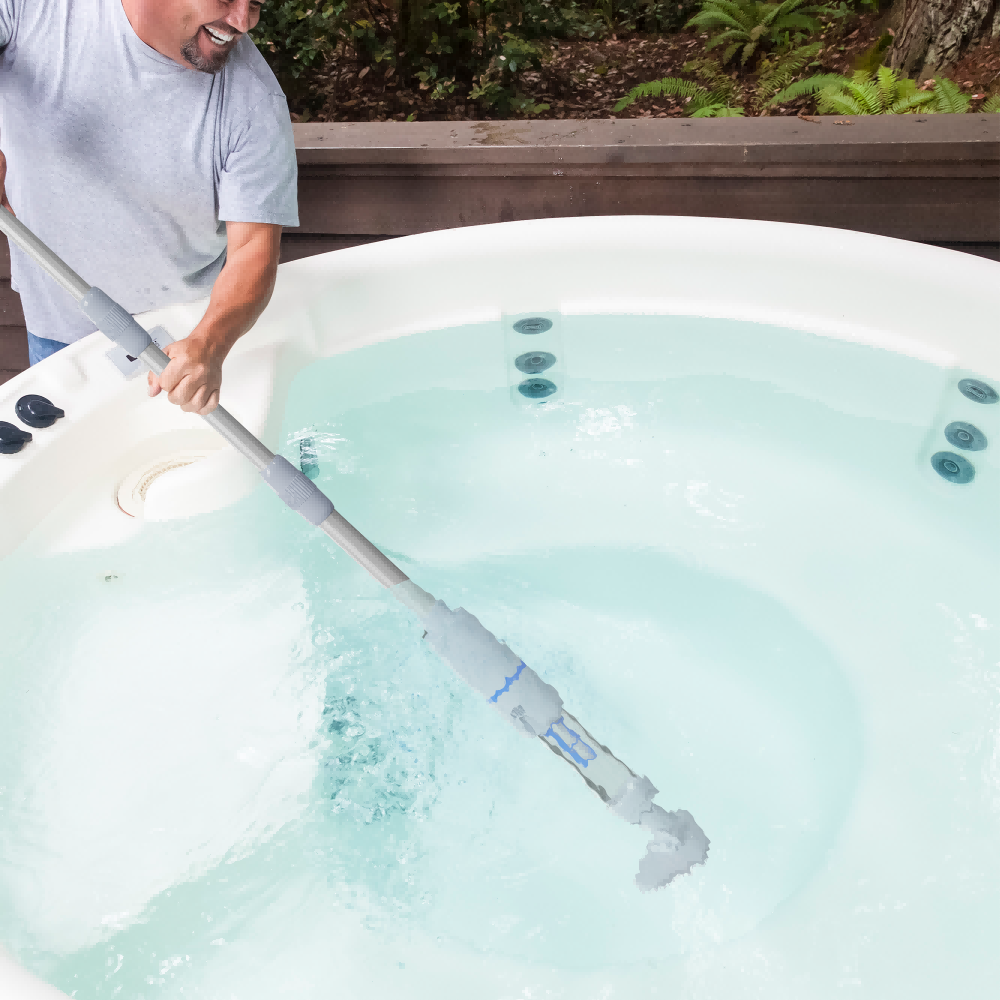
Quick Fix: Soften Pool Water in Three Simple Steps
If you need immediate results, the most effective way to reduce calcium hardness is through dilution — physically replacing mineral-heavy water with fresh, softer water.
- Test Your Water Use a high-quality liquid test kit to measure calcium hardness (CH) and test your tap water to ensure it’s softer than your pool water.
- Partial Drain and Refill Drain about 20–30% of your pool, then refill it with fresh water. Note: Never drain your pool completely — the water weight supports the structure.
- Circulate and Rebalance Run the pump for 8–12 hours to mix the new and old water thoroughly. Then, test and rebalance pH, alkalinity, and calcium hardness levels.
Understanding Hard Pool Water
“Hard water” refers to water with a high concentration of dissolved minerals, mainly calcium and magnesium.
When calcium hardness exceeds 400 ppm, several issues may appear:
Common Symptoms
- Cloudy or milky water
- White, crusty calcium scale on tiles and equipment
- Rough or gritty pool surfaces
- Skin or eye irritation after swimming
Main Causes
- Hard Source Water – Mineral-rich tap water adds calcium each time you refill.
- Evaporation – As water evaporates, minerals remain and become more concentrated.
- Calcium-Based Pool Shock – Repeated use of calcium hypochlorite increases hardness levels.
How to Test Water Hardness Accurately
To properly manage hardness, accuracy matters. A liquid titration test kit provides the most precise reading, measuring calcium hardness in parts per million (ppm). This allows you to make targeted adjustments rather than guessing.
The Three Best Methods to Soften Pool Water
- Partial Drain and Refill (Most Effective Method)
The only way to truly reduce hardness is by replacing a portion of your pool water.
Drain and refill about 20–30% of your pool, and repeat as needed until hardness levels reach the desired range.
Never empty the pool completely — it can cause liner shrinkage or even structural lifting in fiberglass and concrete pools.
- Chemical Treatments (Temporary Relief)
Chemical solutions don’t remove calcium, but they can help manage the effects of hard water.
- Flocculants and Clarifiers – Help clear cloudy water by clumping suspended particles, but do not reduce calcium levels.
- Sequestering Agents (Stain & Scale Inhibitors) – Bind minerals to prevent scaling. They must be added regularly to remain effective.
- Reverse Osmosis (Professional Option)
Reverse Osmosis (RO) filtration is a professional treatment that pushes pool water through a fine membrane, removing calcium, salts, and other minerals.
This process returns purified water to your pool and is especially effective in areas with very hard source water or when draining is not possible.
How to Prevent Hard Water from Returning
- Choose Non-Calcium Chlorine Shock – Use liquid chlorine or non-calcium granular alternatives.
- Install a Hose Pre-Filter – Filters out minerals before water enters your pool.
- Use a Pool Cover – Reduces evaporation, slowing down mineral concentration.
Maintaining Overall Pool Health
Soft water alone doesn’t guarantee a healthy pool. Regular cleaning and proper circulation are equally important.
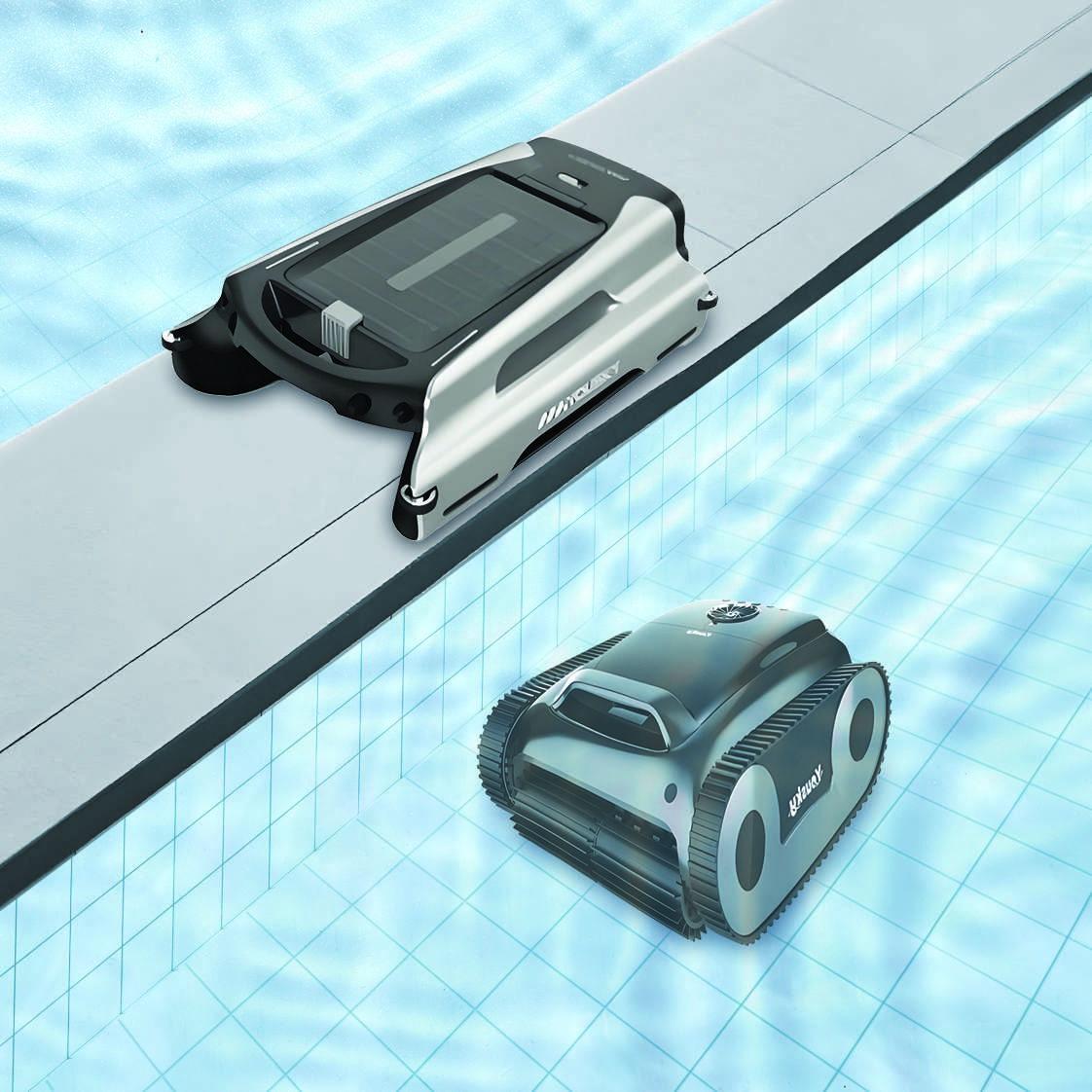
Use a reliable pool vacuum or robotic cleaner to remove debris, improve filtration efficiency, and maintain balanced water chemistry all season long.
Häufig gestellte Fragen
Can I use vinegar or acids to soften pool water? No. Acids like vinegar can disrupt pH and alkalinity, causing further imbalance and potential surface damage.
Can pool water be too soft? Yes. If calcium hardness drops below 150 ppm, the water becomes corrosive and may damage plaster, grout, and metal components.
Is hard water the same as high alkalinity? No. Hardness measures calcium levels, while total alkalinity measures the water’s ability to resist pH changes. Both need to be tested and adjusted separately.
Abschließende Überlegungen
Soft, balanced water not only feels better for swimmers but also protects your pool’s structure and equipment.
By following these three proven methods — partial drain and refill, chemical management, and reverse osmosis — you’ll maintain clear, comfortable, and well-balanced water throughout the year.





 German
  English
  French
  Italian
  Spanish
  Polish
  Danish
  Indonesian
  Swedish
  Russian
  Turkish
  Portuguese