
In today’s fast-paced world, more and more people are looking for a personal space to relax and recharge. Hot tubs are often seen as the perfect wellness solution, offering stress relief, muscle relaxation, and even improved sleep quality. However, traditional hot tubs can be expensive, bulky, and complicated to install, which limits their popularity among average households.
This is where the Folding Hot Tub comes in. Combining portability with functionality, it brings spa-like comfort into homes, gardens, and even outdoor adventures—without the high costs or space requirements of a permanent installation.
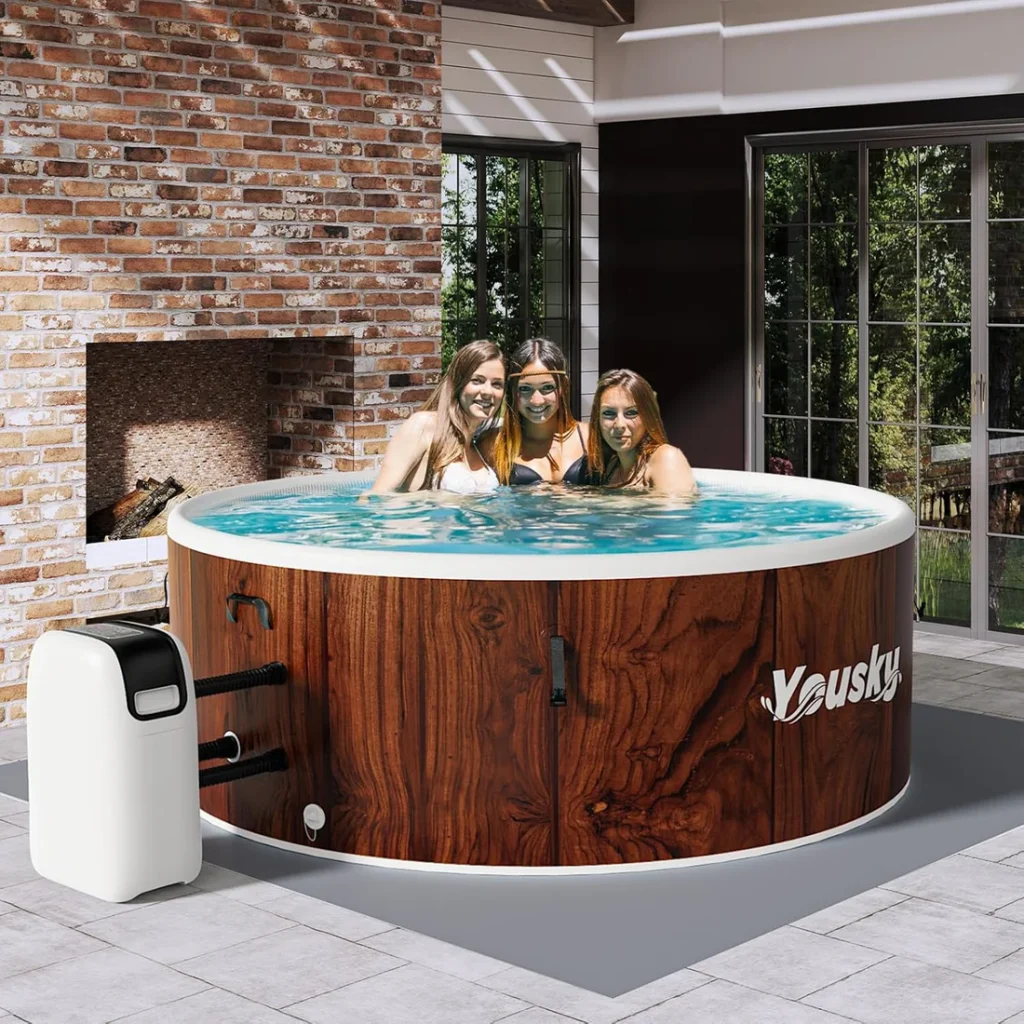
1. What is a Folding Hot Tub?
As the name suggests, a is a collapsible, portable version of a traditional hot tub. Unlike permanent models made of acrylic or fiberglass, folding hot tubs are usually built with flexible, durable materials such as PVC, TPU, or layered waterproof fabrics.
They often feature a foldable or inflatable structure that allows quick setup and compact storage. Many models come with heating systems, filtration units, and even bubble massage features, making them a convenient alternative to conventional spas.
2. Key Structure and Design Features
- Folding or Inflatable Structure
- Can be quickly unfolded or inflated for use.
- Available in round or square designs. Round tubs are ideal for group sharing, while square tubs make better use of corners and small spaces.
- Material Choices
- PVC or TPU: Waterproof, heat-resistant, and abrasion-proof.
- Metal Frame: Some models use steel frames for added stability.
- Insulated Layers: Multi-layer design helps retain water temperature.
- Heating and Filtration
- Electric Heater: Plug-and-play heating, often with temperature controls.
- Circulation System: Keeps water clean and prolongs usability.
- Optional Accessories
- Covers: Reduce heat loss and keep out debris.
- Bubble Jets: Enhance relaxation with massage-like effects.
- Carry Bags: For easy transport during camping or travel.
3. How to Use a Folding Hot Tub
- Setup and Filling
- Unfold or inflate the tub and place it on a flat surface.
- Fill with water via a garden hose; typical capacity ranges from 500L to 1500L.
- Heating
- Plug in the heater and set your preferred temperature (commonly 30–42°C / 86–107°F).
- Heating time usually takes 1–3 hours depending on water volume and environment.
- Enjoying the Bath
- Suitable for solo relaxation or shared use (2–4 people, depending on size).
- Optional bubble jets provide added comfort and circulation benefits.
- Draining and Storage
- Drain through the outlet valve or attach a hose to release water.
- Wipe clean, let it dry, and fold away for compact storage.
4. Advantages of Folding Hot Tubs
- Portability and Space-Saving
- Easy to fold and store when not in use.
- Perfect for apartments, balconies, or temporary setups.
- Simple Installation
- No professional installation needed—just unfold and fill.
- Works on almost any flat surface with minimal requirements.
- Affordable Alternative
- Costs only a fraction of permanent hot tubs.
- Saves on installation and long-term maintenance expenses.
- Versatile Applications
- Great for home gardens, balconies, camping trips, or outdoor retreats.
- Can be used for relaxation, family fun, or even therapeutic purposes.
5. Limitations to Consider
- Durability
- While made with reinforced materials, folding tubs are not as long-lasting as permanent hot tubs.
- Susceptible to punctures or wear from sharp objects.
- Capacity and Comfort
- Usually smaller, with a maximum of 2–4 users.
- Lacks the deep seating and advanced hydrotherapy features of large spas.
- Heating Efficiency
- Insulation is weaker than permanent tubs, leading to faster heat loss.
- Winter outdoor use can be challenging due to temperature drop.
- Water Quality Maintenance
- Requires frequent water changes or the addition of sanitizers (chlorine/bromine).
- Long-term stagnant water may encourage bacterial growth.
6. Maintenance and Care Tips
- Regular Cleaning: Drain and wipe down after each use; avoid harsh chemicals.
- Check for Damage: Inspect seams, frames, and inflatable parts regularly; patch small leaks quickly.
- Proper Storage: Dry thoroughly before folding; store in a cool, dry place.
- Water Treatment: Use spa chemicals to keep water fresh and safe.
- Safe Heating: Do not leave heaters running unattended for long periods.
7. Future Trends of Folding Hot Tubs
With the rising demand for wellness and outdoor leisure, folding hot tubs are expected to evolve further. Some upcoming trends include:
- Smart Features
- WiFi or Bluetooth controls for remote temperature and filtration adjustments.
- Integrated water quality sensors and automated sanitizing systems.
- Advanced Materials
- Stronger, lighter, and more eco-friendly composites.
- Improved insulation for better energy efficiency.
- Multi-Function Designs
- Built-in lighting, music systems, or hydrotherapy jets.
- Combination with cold plunge tubs or saunas for health-focused users.
- Eco-Friendly Solutions
- Energy-saving heating options, such as solar-assisted systems.
- Recyclable materials to reduce environmental footprint.
8. Conclusion
The Folding Hot Tub is redefining personal wellness by making spa-like experiences more accessible. Compact, affordable, and versatile, it allows anyone to create a private retreat—whether on a balcony, in a garden, or during a camping trip.
Although it has some limitations in durability and performance compared to permanent spas, continuous innovation in materials and design is steadily closing the gap. For individuals and families seeking an affordable and flexible way to enjoy hydrotherapy, the Folding Hot Tub stands as a promising solution for the future.




 English
  French
  Italian
  German
  Spanish
  Polish
  Danish
  Indonesian
  Swedish
  Russian
  Turkish
  Portuguese