
Many pool owners are curious about the benefits of saltwater pools and wonder if they can add salt to their pool without a salt chlorinator. At first, this might seem like a way to achieve a “more natural” swimming experience, but the reality is that simply adding salt without the necessary electrolysis system won’t provide the expected benefits—and may even cause problems with your pool setup.
In this article, we’ll explore what happens when you add salt to your pool without a salt chlorinator, the potential risks involved, and how to choose the best pool care solution that fits your needs.
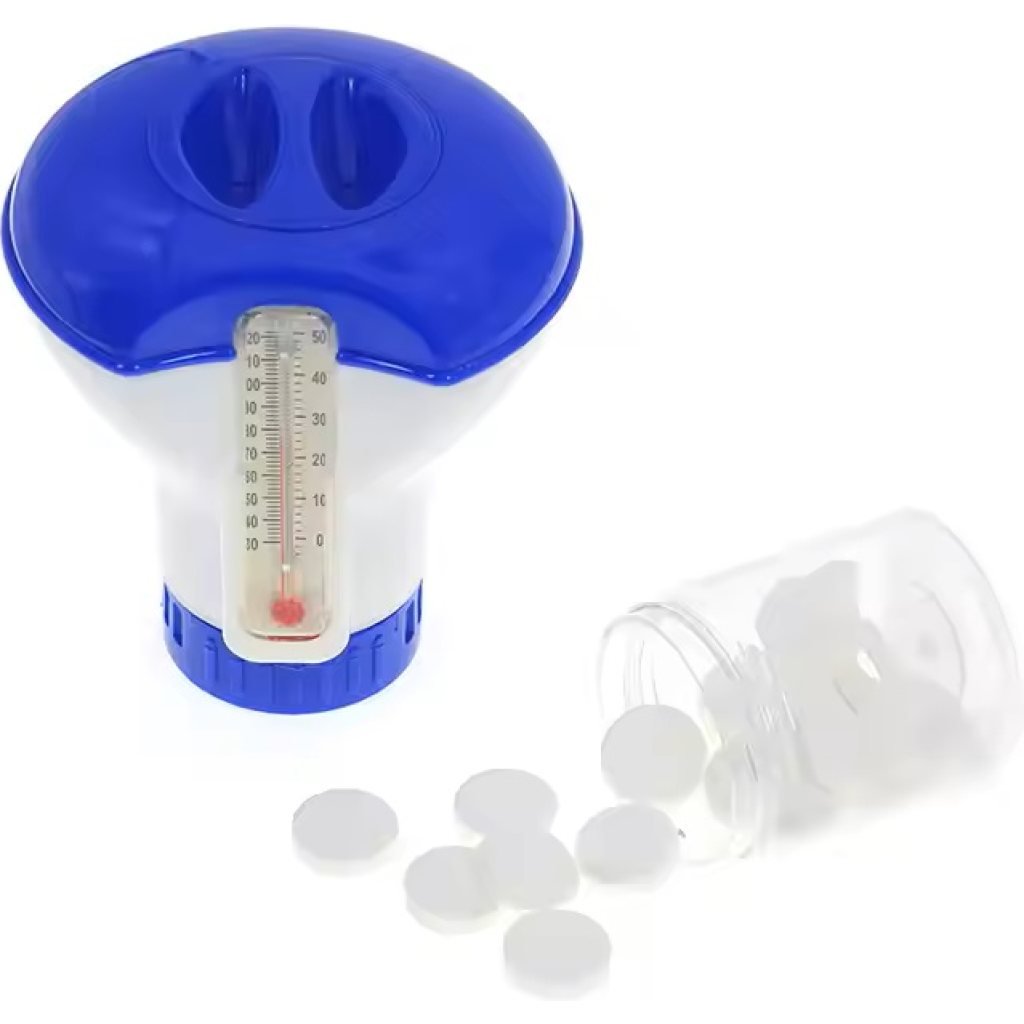
What Happens When Salt Is Added to a Pool Without a Salt Chlorinator?
Saltwater pools rely on electrolysis, where a salt chlorinator converts the salt into natural chlorine. Without this system, adding salt does not sanitize the pool water. As a result, your pool will still require additional chlorine or other chemicals to remain clean and safe.
When salt is added without a chlorinator, it:
- Dissolves in the water, increasing the water’s electrical conductivity.
- Does not eliminate bacteria, algae, or organic matter like chlorine would.
- Can lead to corrosion of metal parts and fittings if they are not made to withstand saltwater.
Risks of Adding Salt Without a Salt Chlorinator
Adding salt to your pool without a salt chlorinator can lead to several issues over time:
- Corrosion: Salt can damage metal components in the pool system, such as ladders, railings, and heaters, unless they are made from materials that resist saltwater.
- Ineffective sanitation: Without chlorine production, your pool will remain vulnerable to bacteria and algae growth, making the water unsafe for swimming.
- Increased maintenance: You will still need to manage chlorine levels manually, which can become tedious and time-consuming.
For these reasons, adding salt to your pool without a salt chlorinator is not a suitable substitute for chlorine or proper chemical maintenance.
What to Do If You’ve Added Salt Without a Chlorinator
If you’ve already added salt to your pool, don’t worry—you can easily correct the situation by following these steps:
- Test the salt concentration: Use salt test strips or a photometer to measure the salt level.
- Reduce salt concentration: If the salt concentration exceeds 2-3 g/L, partially drain the pool and refill it with fresh water to dilute the salt.
- Balance other chemicals: Regularly check and adjust pH and chlorine levels to maintain clean water.
Alternative Pool Disinfection Methods Without a Salt Chlorinator
If you don’t have a salt chlorinator, there are other effective ways to keep your pool water clean:
- Traditional Chlorination: This method involves adding chlorine in the form of granules, liquid, or tablets to maintain a free chlorine level between 1 and 2 ppm. It’s an affordable option, but it requires regular handling and chemical balancing.
- Active Oxygen: This is an eco-friendly alternative ideal for smaller pools or spas. Active oxygen leaves no residual odor or buildup but requires regular dosing and more frequent monitoring since it has a lower residual effect than chlorine.
- Bromine: Often used in spas or indoor pools, bromine works well in hot water and doesn’t generate the harsh chlorine smell. However, it also requires automatic dosing and specific control, making it less common for outdoor pools.
How to Choose the Right Pool Disinfection Method for Your Needs
When choosing the best pool disinfection method for your needs, it’s important to consider several factors, including how often the pool is used, the type of pool (e.g., indoor or outdoor), and the level of maintenance you’re comfortable with.
- If you’re looking to reduce maintenance and chemical use while improving the consistency of water quality, a salt chlorinator may be a good choice.
- If you have a smaller pool or use it infrequently, active oxygen could be a simpler and more environmentally friendly option.
- For those who enjoy spa-like experiences or have a heated pool, bromine is an effective choice that works well in higher temperatures.
Conclusion: How to Choose the Most Suitable Pool Care Solution
Whether you opt for a salt chlorinator or another disinfection method, the most important thing is to ensure your pool water stays clean and safe. Each method has its benefits and is suited to different needs, so finding the one that best fits your pool’s requirements is key.
For those looking to simplify maintenance and reduce chemical use, a salt chlorinator might be a smart investment for long-term pool care. However, if your pool’s needs are simpler, alternatives like active oxygen or bromine may be better suited to your preferences.
-300x300.jpg)
.jpg)

 French
  English
  Italian
  German
  Spanish
  Polish
  Danish
  Indonesian
  Swedish
  Russian
  Turkish
  Portuguese