
If your pool pump loses pressure (PSI), the water will not flow through the filtration system at the intended rate. As a result, the pool water will not be filtered or cleaned properly, leading to a dirty pool. Additionally, it causes a loss of electrical efficiency and significant water wastage.
Monitoring your pool’s pressure is an essential tool for operators, as it helps keep pool pumps and filtration systems running effectively, reducing chemical and electrical costs, preventing downtime, and ensuring optimal performance. If you’re wondering how to increase pool pump pressure, read on to learn more.
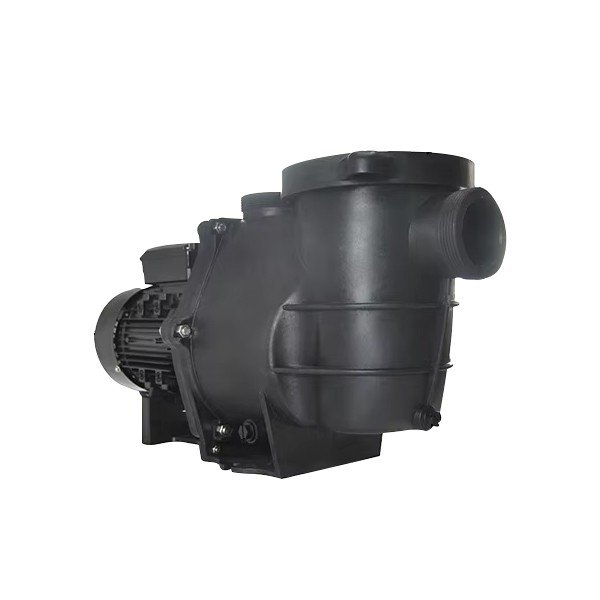
Normal Pool Pump Pressure
To determine the normal pump pressure for your filtration system, follow these steps:
- After cleaning the filter, basket, and pump screen.
- After adding new media and recording the system’s PSI on the gauge.
- After purchasing a new filter element or sand filter.
Normal pressure for most pools typically ranges from 5-15 psi or 10-25 psi. The exact pressure depends on the type of filter, pipe size, pump discharge, and other pool equipment. Over time, the filter will collect debris, grease, and hair, causing pressure to rise and water flow to decrease.
If your pool has a spa mode that returns water to different locations or has varying pipe sizes, you should expect pressure fluctuations. Note or document the PSI as your spa’s normal starting pressure for consistency.
High pressure is generally considered 5-10 PSI higher than the initial pressure after cleaning. For instance, if the pool usually runs at 13 PSI when the filter is clean, and the pressure rises to 20 PSI, you’ll know that something’s wrong. As a pool operator, you should be able to assess when to backwash a sand filter or clean a cartridge filter. Always inspect the filters for damage seasonally.
Mark the normal PSI range on the filter’s gauge with a permanent marker for easy reference. Also, check that the gauge is working correctly and replace it if necessary.
High Pool Pump Pressure: What You Can Do
A dirty filtration system leads to an increase in PSI, reducing the flow of water back to the pool. Typically, the manufacturer suggests backwashing the filter when the PSI increases by 10 pounds above the initial pressure. If you notice high pressure, here’s what to do:
- Check the Skimmer Basket: Often clogged with leaves or debris, causing low flow and high pressure. Clean the basket thoroughly.
- Inspect the Pump Impeller: A clogged impeller reduces flow and pressure. Clean it of trapped debris, like hair, that prevents it from spinning.
- Examine the Filter: If the filter is clogged, it will increase pump pressure. Clean or backwash it according to the manufacturer’s guidelines.
- Check for Air Leaks: Ensure water level is above the skimmer, and inspect the pump inlet, pump cover gasket, valve hoses, and pressure gauge for air leaks. Replace any worn parts.
- Adjust Skimmer or Main Drain Valves: Close or adjust the valves if they are not positioned properly.
- Sand Filter Maintenance: Backwash and inspect the top sand layer to remove scum buildup. Add fresh sand if necessary.
- Cartridge Filters: Clean, rinse, and soak them in TSP (trisodium phosphate) solution overnight.
You may have added too many water features, like sprinklers or fountains, that strain the pump. Try turning off some features to see which ones are overburdening the system. If needed, upgrade to a larger pump.
Low Pool Pump Pressure: Solutions
Low pressure typically indicates issues with flow or suction. Here’s how to address it:
- Clean the Skimmer Basket: Check for debris blocking the basket, which could restrict water flow.
- Clear the Pump Impeller: Inspect and remove any debris obstructing the impeller.
- Check the Water Level: Ensure the pool’s water level is at least halfway up the skimmer to avoid air intake issues.
- Inspect for Air Leaks: Check for leaks around the pump inlet, pump cover gasket, and hose connections, and replace any damaged parts.
- Reinstall the Multi-Valve: Ensure the multi-valve is seated properly on the filter.
- Sand Filter Maintenance: Follow the manufacturer’s guidelines to backwash the filter or replace the sand if necessary.
- Cartridge Filters: Clean and soak the filters to maintain optimal performance.
Increasing or maintaining the ideal pressure for your pool pump is crucial for its efficient operation. Regular maintenance, including cleaning baskets, checking for clogs, and ensuring no leaks, will help your system run smoothly.
If you are looking for a new pool pump or have questions about your current setup, Yousky® offers high-quality, high-performance, and energy-efficient pool pumps customized to meet your specific needs. Contact us today for more information!



 English
  French
  Italian
  German
  Spanish
  Polish
  Danish
  Indonesian
  Swedish
  Russian
  Turkish
  Portuguese