
Having a swimming pool at home is a great source of relaxation and fun, but it also comes with serious responsibilities. Many pool owners focus on enjoyment while overlooking potential hazards that could put family members, friends, or even pets at risk. From hidden bacteria to unsafe surroundings, there are several dangers you should be aware of.
Below are some of the most common pool safety issues and how you can address them.
1. Electrical safety
Water and electricity are a dangerous mix. It’s essential to make sure all pool-related electrical wiring is installed correctly. Any electrical system near the pool should be properly grounded, and devices such as pumps and filters need to be connected to a ground fault interrupter. If you are unsure, consult a qualified electrician for an inspection.
2. Slippery surfaces
Pool decks can become slick over time due to algae, moss, or general wear. Regular cleaning, pressure washing, or applying non-slip coatings can greatly reduce the risk of falls.
3. Water hygiene
A pool that isn’t properly balanced with the right chemicals can quickly become a breeding ground for bacteria, viruses, and other microorganisms. Poor water quality may lead to skin irritations, ear or throat infections, or gastrointestinal illnesses.
- Regularly test the water.
- Adjust chemical levels as needed.
- If you don’t have time, consider hiring a professional pool service to maintain water quality.
4. Contamination sources
Prevention is always easier than fixing contamination once it happens. Common sources include:
- Swimmers themselves.
- Animals (pets, birds, frogs, insects, etc.).
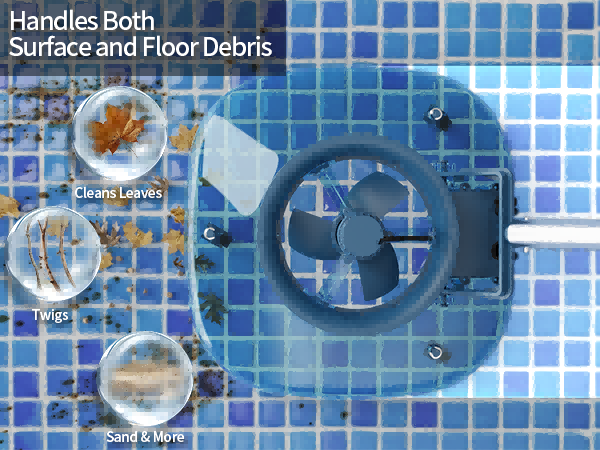
- Plant debris like leaves, branches, or grass clippings.
Simple maintenance, such as trimming trees and cleaning up garden waste, can make a big difference.
5. Chemical storage
Pool chemicals often contain strong acids, alkaline substances, or toxic compounds. Store them in a cool, dry, and well-ventilated area, ideally locked away from children or pets.
6. Barriers and covers
Drowning is one of the greatest risks associated with pools, especially for children and animals. Secure fencing with self-closing gates is a must. Pool covers should also be used cautiously—many are not designed to support weight and could collapse if stepped on.
7. Suction risks
Pool pumps are powerful, and suction lines can trap swimmers underwater if safety measures aren’t in place. Modern pools are required to have dual suction drains spaced apart, but it’s equally important to ensure covers and skimmer lids are intact and secure.
8. Toys and inflatables
While they seem harmless, oversized pool toys can create unexpected hazards. Large floatation devices may flip over, trapping swimmers underneath. It’s best to limit such items to open water environments like lakes or beaches.
9. Pool slides
Though fun in appearance, pool slides can be risky. A slip or fall could result in serious injuries, especially if the slide ends near hard surfaces. Inflatable slides are generally safer but should only be used with adult supervision.
Final thoughts
A backyard pool can be a wonderful way to enjoy leisure and exercise, but safety should always come first. With proper maintenance, secure barriers, and responsible supervision, you can greatly reduce risks and ensure your pool remains a safe place for everyone.
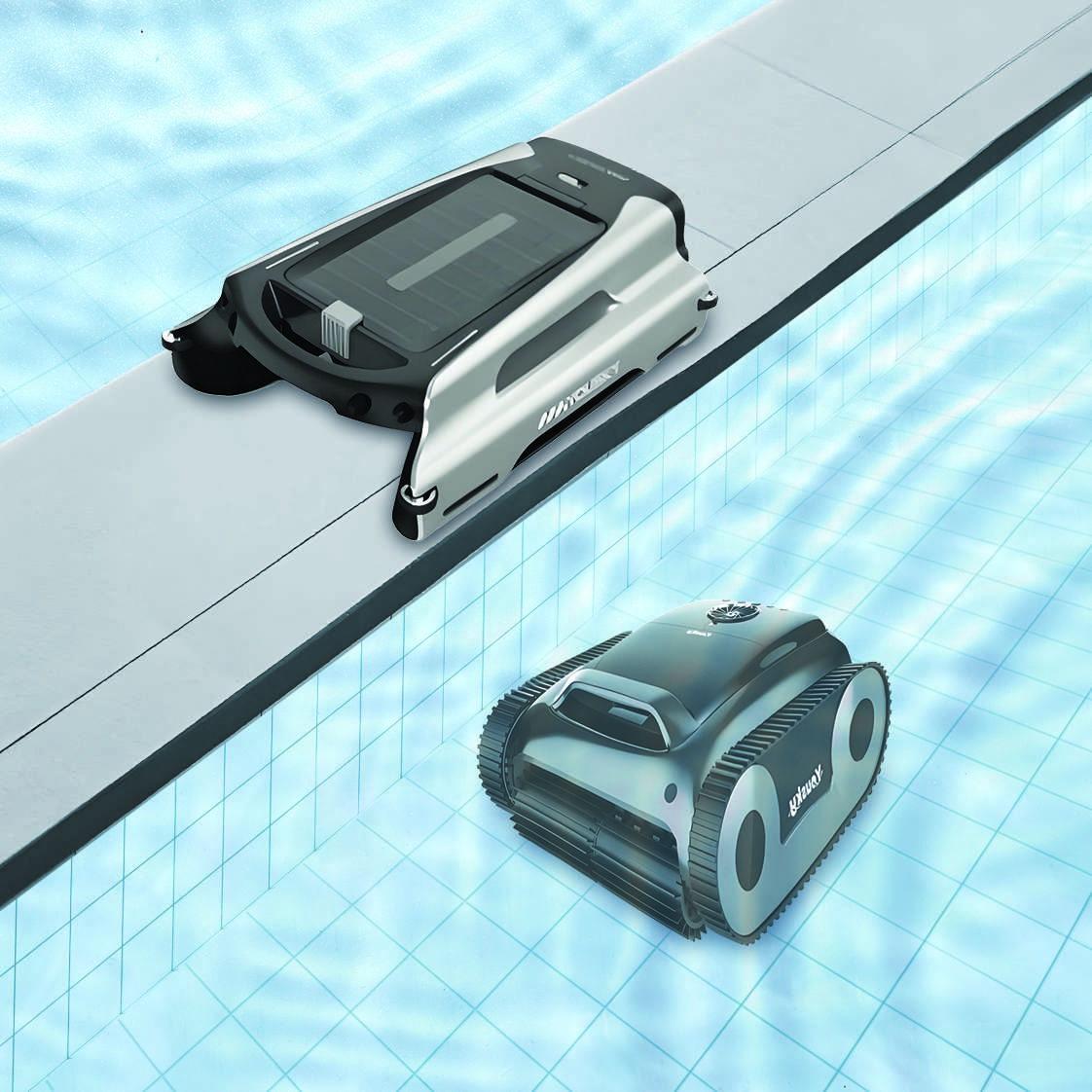
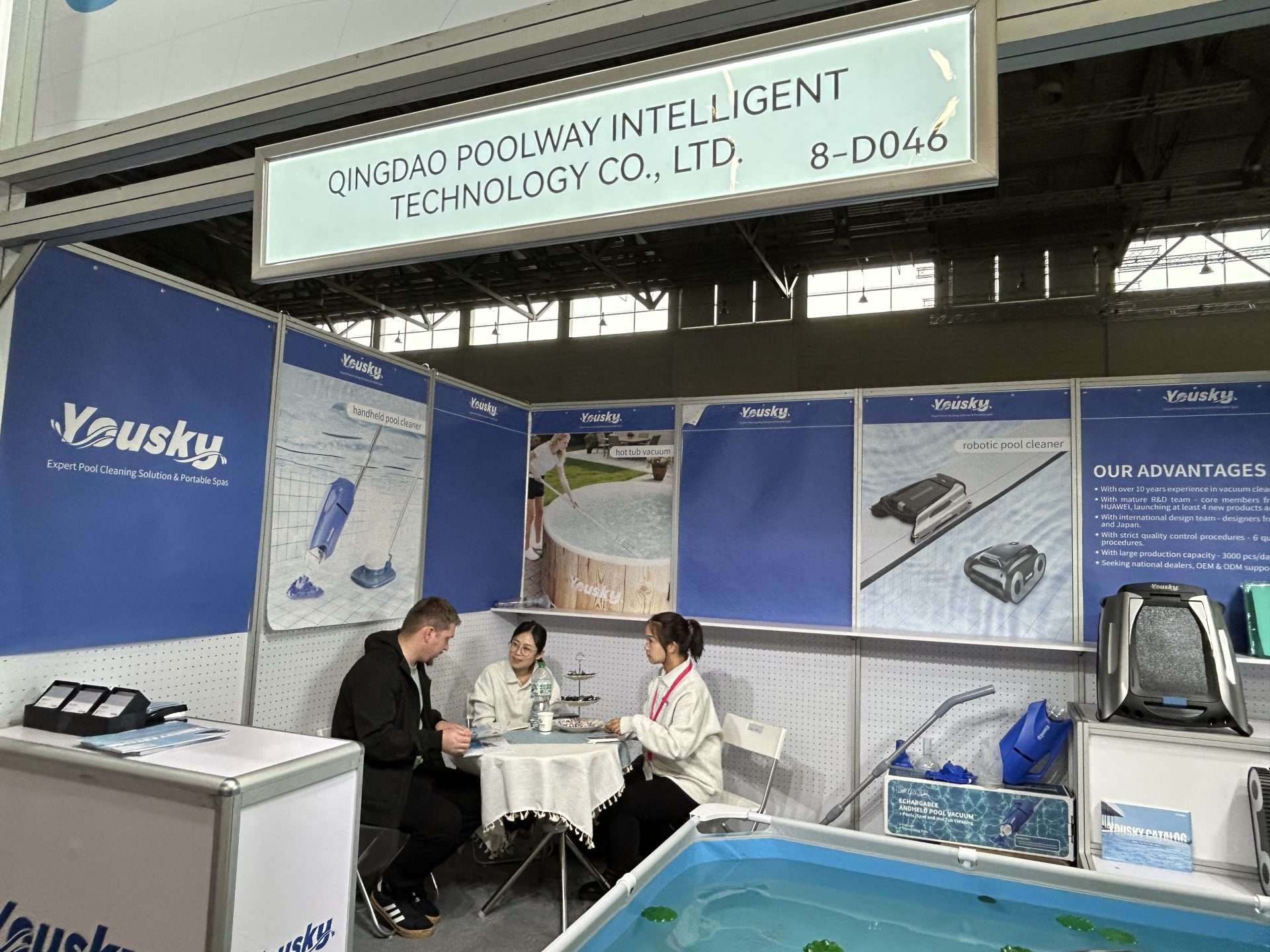
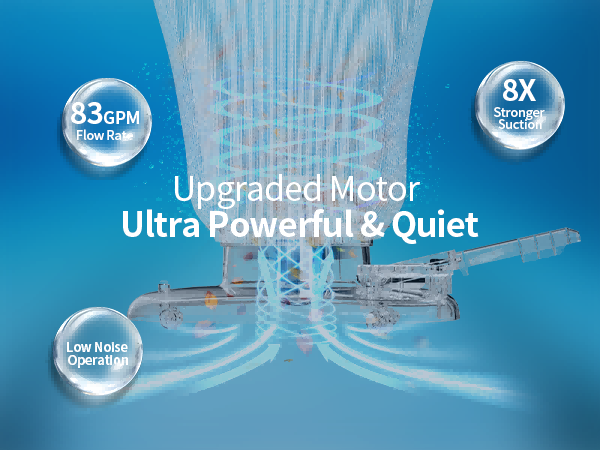
At Yousky, we specialize in innovative pool solutions, from handheld pool vacuums to inflatable hot and ice tubs, helping homeowners not only enjoy their pools but also maintain them safely and efficiently. If you want professional advice, reliable products, or support for your pool care, Yousky is here to help you create a safer and more enjoyable swimming environment.



 English
  French
  Italian
  German
  Spanish
  Polish
  Danish
  Indonesian
  Swedish
  Russian
  Turkish
  Portuguese