
Portable ice baths—also known as cold plunges—have quickly become one of the most talked-about tools in personal wellness and athletic recovery. From basic tubs filled with ice to high-tech systems with built-in chillers and filtration, cold plunges are now available in a wide range of sizes and setups.
Yet, as the popularity of cold plunges grows, so does the confusion around how to properly maintain them. Much of the cleaning and water care advice circulating online is inconsistent—or just plain wrong. This guide cuts through the noise to explain how to safely maintain your cold plunge water, prevent bacteria buildup, and understand how cold water care differs from maintaining a hot tub or swimming pool.
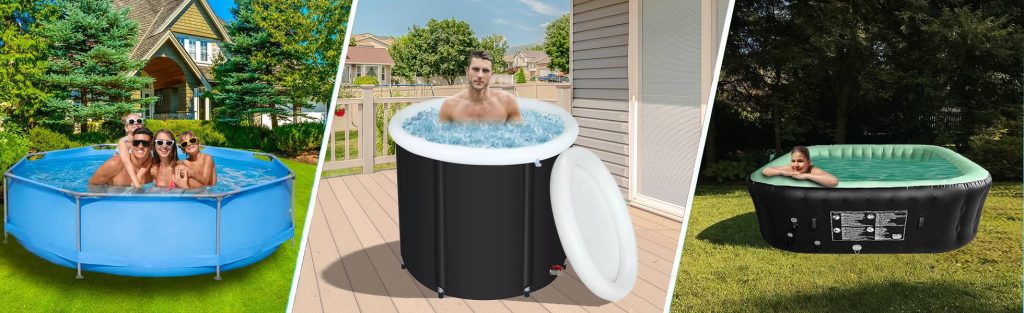
Hot Tubs vs. Cold Plunges: Water Chemistry Differences
Though hot tubs and cold plunges both require attention to water hygiene, there are critical differences that influence how you treat the water:
1. Water Temperature
- Hot tubs operate between 37–40°C, which encourages bacterial growth but also allows sanitizing chemicals to dissolve more easily.
- Cold plunges typically stay below 15°C, which slows bacterial activity but also makes dissolving chemicals more difficult.
2. Usage and Load
- Hot tubs usually support multiple users for extended sessions, which increases the chemical demand.
- Cold plunges are often used solo and for shorter durations, resulting in lower chlorine demand.
3. Water Retention Time
- Hot tubs are often left filled for up to four months with balanced chemical treatment.
- Cold plunges vary. Some are drained after every use, while others (especially those with filtration systems) are designed to hold water for weeks or months—requiring water care similar to hot tubs.
Cleaning Recommendations by Ice Bath Tipo
The best cleaning method for your cold plunge depends on its design, materials, and whether or not it includes filtration. Here’s how to clean each type:
1. Ice Bath with Chiller & Filtration
If your unit includes both filtration and a chiller, you can retain water for up to 4 months. To keep the water clean:
- Run the filter regularly
- Use sanitizing granules (chlorine or bromine)
- Test and balance water chemistry weekly
2. Ice Bath Without Filtration (Water Kept Between Uses)
Without filtration, maintaining clean water becomes more difficult:
- You may use chemicals to extend water life up to 1 week
- Stir the water manually to aid chemical dispersion
- Avoid leaving stagnant water for long periods
3. Ice Bath Without Filtration (Drained After Each Use)
If you drain your cold plunge after every session:
- Utilizzare un gentle surface cleaner weekly
- Wipe down the interior to prevent biofilm and residue buildup
4. Metal or Wooden Cold Plunges
Be cautious with chemical use:
- Some metals and woods react poorly to sanitizers
- Always consult your manufacturer’s guidance before using chlorine or bromine
- Consider natural or chlorine-free sanitizing options if appropriate
Water Treatment Tips for Cold Plunges
Even though many cold plunge owners follow hot tub care routines, there are a few important differences to keep in mind:
✅ Use Pre-Mixed Granules
Cold water slows the dissolving process. Pre-mix chemicals in a bucket of lukewarm water to help them dissolve before adding to the plunge.
⚠️ Never mix different chemicals together. Always follow product safety guidelines.
✅ Avoid Tablets
Chlorine and bromine tablets are slow to dissolve—especially in cold water. Granules work faster and are easier to dose accurately.
✅ Maintain pH Balance
Keep pH levels between 7.2 and 7.6 to protect skin, enhance sanitiser performance, and prevent scale or corrosion.
Domande frequenti
Are there chlorine-free options for sanitizing cold plunge water?
Yes. Products like oxygen-based sanitizers (e.g., Aquablanc) can be used. However, they tend to be more expensive and often less effective than traditional chlorine or bromine.
What if I don’t want to use any chemicals?
If you prefer a chemical-free cold plunge, the safest method is to drain the water after each use and clean the tub regularly. Leaving untreated water sitting for long periods poses serious health risks due to bacterial contamination.
Pensieri finali
Your cold plunge is more than just a wellness trend—it’s a therapeutic tool. But just like a hot tub or pool, it requires the right maintenance to stay clean, safe, and effective. Whether you’re using a high-end chiller system or a simple tub, the key is understanding how long you’re keeping the water and how to treat it accordingly.
By following these best practices and using the right products, you can extend the life of your water and enjoy the full benefits of cold therapy—without worrying about hygiene.




 Italian
  English
  French
  German
  Spanish
  Polish
  Danish
  Indonesian
  Swedish
  Russian
  Turkish
  Portuguese