
We all love a clean pool, but have you ever wondered how those little robots actually work? It might look simple, but there’s some seriously smart engineering going on beneath the surface. From keeping water out of the electronics to making sure every inch of the pool gets cleaned, these machines are mini marvels. Let’s take a closer look.
Keeping the water out
The biggest challenge for any pool robot is staying waterproof. They need a top-level waterproof rating called IPX8, meaning they can handle being underwater for long periods. This isn’t just about adding a few seals. Companies use special rubber gaskets, liquid sealants, and some even fill the main electronics box with solid epoxy glue. Even the cables are specially designed—each. Each tiny wire inside is sealed to block water. Good waterproofing is what keeps these bots reliable month after month.
Moving water the right way
A great pool cleaner doesn’t just move water—it moves it well. Engineers spend a lot of time designing inner channels to make sure water flows smoothly. The goal is to pick up dirt using less battery power. A better flow design means better cleaning and longer battery life. It’s all about working smarter, not harder.
Filtering out the dirt
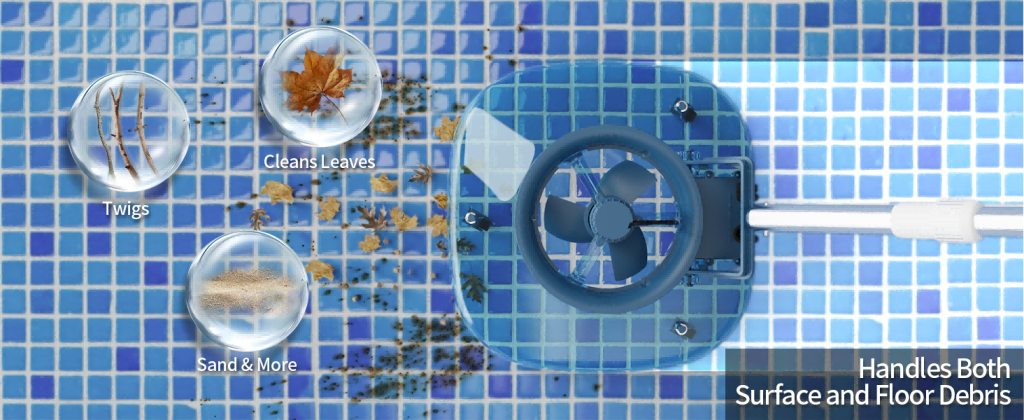
Once water is sucked in, the dirt has to be caught. Most robots use mesh filters with different hole sizes to trap everything from leaves to fine sand. Some brands, like Maytronics, use two-layer filters for extra cleaning. Others, like Aiper, mix mesh with cloth filters. Good filtration keeps your pool sparkly clean with less effort.
Driving with precision
Getting the robot to move reliably across different surfaces isn’t easy. It needs the right kind of wheels or tracks, and a motor that’s strong but efficient. Maytronics is known for a special drive system that’s compact and energy-saving. But it’s not just about mechanics—it’s also about materials. Some companies test dozens of track designs just to make sure the robot can climb walls smoothly without slipping back.
Finding the way around
You might think these robots have GPS—but underwater, it’s not that simple. Most don’t have real maps. Instead, they use sensors to move in organized patterns, like zig-zags, to cover the whole pool floor. A few try to map the pool by driving around the edges first. But that usually requires a floating beacon, which is extra hassle. Real underwater navigation is still a work in progress.
The future is looking bright
What’s next? Cameras and AI. Right now, it’s hard for robots to “see” underwater because light behaves differently and there’s often sand or dirt in the way. But one day, vision tech could help robots recognize obstacles and clean more efficiently. We’re not there yet, but it’s where things are headed.
So next time you see your pool bot doing its job, remember—there’s a lot more going on than meets the eye. It’s not just a machine; it’s a blend of smart design, tough engineering, and a little bit of future-tech, all working together to make pool care easy.




 Polish
  English
  French
  Italian
  German
  Spanish
  Danish
  Indonesian
  Swedish
  Russian
  Turkish
  Portuguese