
Keeping your pool leaf-free is a never-ending battle, especially during autumn or when your pool is surrounded by trees. A pool leaf vacuum can be a game-changer—but only if you know how to use it correctly and choose the right type for your needs.
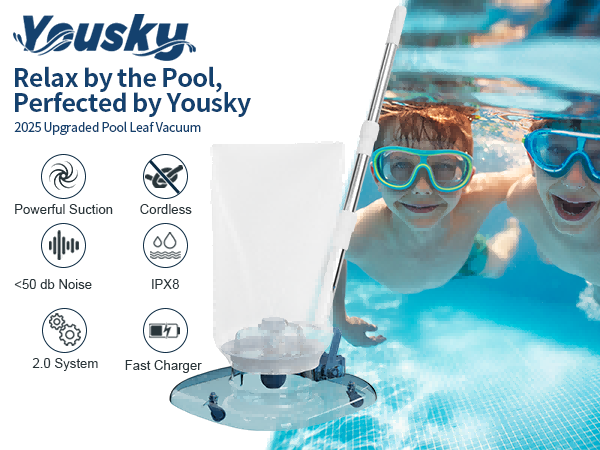
In this blog, we answer the most frequently asked questions about pool leaf vacuums and give you pro tips on getting the best results.
What Is a Pool Leaf Vacuum?
A pool leaf vacuum is a type of pool cleaning device designed specifically to remove leaves and large debris from the surface or bottom of your swimming pool. It can be:
- Manual (attached to your pool pole and hose)
- Battery-operated (cordless handheld vacs)
- Pressure-side or suction-side (connected to your pump)
- Robotic (automatic cleaners with built-in filters)
Each has its pros and cons—but the one you choose should depend on your pool size, leaf volume, and cleaning preferences.
Top 6 Frequently Asked Questions (FAQs)
1. Can a leaf vacuum really remove all the leaves from the bottom of the pool?
Yes, especially smaller and medium-sized leaves. Most models can suck up sunken leaves, dirt, and fine debris.
But for large, soggy, or heavy leaves, it’s better to scoop them out manually with a leaf net before vacuuming.
2. Does the vacuum clog easily?
Unfortunately, some vacuums do. If you’re dealing with a high volume of leaves:
- Choose a vacuum with a wide intake throat
- Or add an inline leaf canister to trap larger debris before it reaches your filtration system
Pro tip: Avoid vacuuming twigs or palm fronds—they tend to cause clogs the fastest.
3. Do I need a leaf canister or leaf trap?
Absolutely! If you’re using a manual vacuum, adding a leaf canister between the skimmer and vacuum hose will:
- Prevent frequent clogging of your pump basket
- Make cleanup faster
- Extend your pool filter’s lifespan
4. Should I use a manual vacuum or an automatic/robotic cleaner?
Manual vacuums are affordable, easy to use, and precise—ideal for spot cleaning.
Automatic cleaners (like pressure-side or robotic vacs) are perfect for:
- Larger pools
- Heavily leafed yards
- People who want a hands-free experience
The Polaris Vac-Sweep 280 and Hayward Navigator Pro are top-rated for leaf pickup performance.
5. How do I prepare my pool before using a leaf vacuum?
Here’s a quick checklist:
- Brush the pool walls and floor to loosen stuck debris
- If using a suction vacuum, set your filter valve to “waste” mode (if possible) to avoid clogging your main filter
- Manually net out larger leaves first for best performance
6. What are the most common problems with pool leaf vacuums?
Common issues include:
- Loss of suction power
- Clogged hoses
- Air leaks in the vacuum line
- Stuck wheels or tangled cables (for robots)
Regular maintenance, hose inspections, and keeping the leaf canister clean can help prevent these problems.
Pro Tips for Better Results
✅ Always use the right hose length to avoid tangling
✅ Rinse your leaf vacuum after each use
✅ Store indoors to prevent sun damage
✅ Check the O-rings and seals for leaks periodically
✅ Don’t expect miracles from cheap vacuums—invest once in a quality one
A pool leaf vacuum can save you hours of skimming and scooping—but only if it’s used correctly. Whether you go manual or robotic, remember to:
- Clear large debris before vacuuming
- Use a leaf canister to prevent clogs
- Match your device to your pool’s size and debris level
With the right setup, you can keep your pool leaf-free and sparkling with minimal effort.






 English
  French
  Italian
  German
  Spanish
  Polish
  Danish
  Indonesian
  Swedish
  Russian
  Turkish
  Portuguese