
If you own a pool, you know the beauty of a shimmering, clear surface can quickly be ruined by floating leaves, twigs, seed pods, or even dead insects. Manually skimming these out can be time-consuming, especially during windy seasons or after a storm.
This is where a pool leaf vacuum becomes your ultimate maintenance ally. Designed specifically to tackle large debris, it helps you keep your pool clean with far less effort, preserving both your water quality and your enjoyment time.
What Is a Pool Leaf Vacuum and How Does It Work?
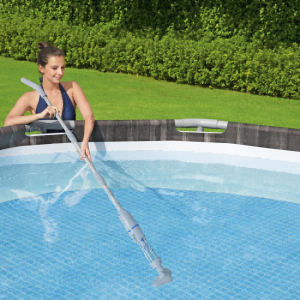
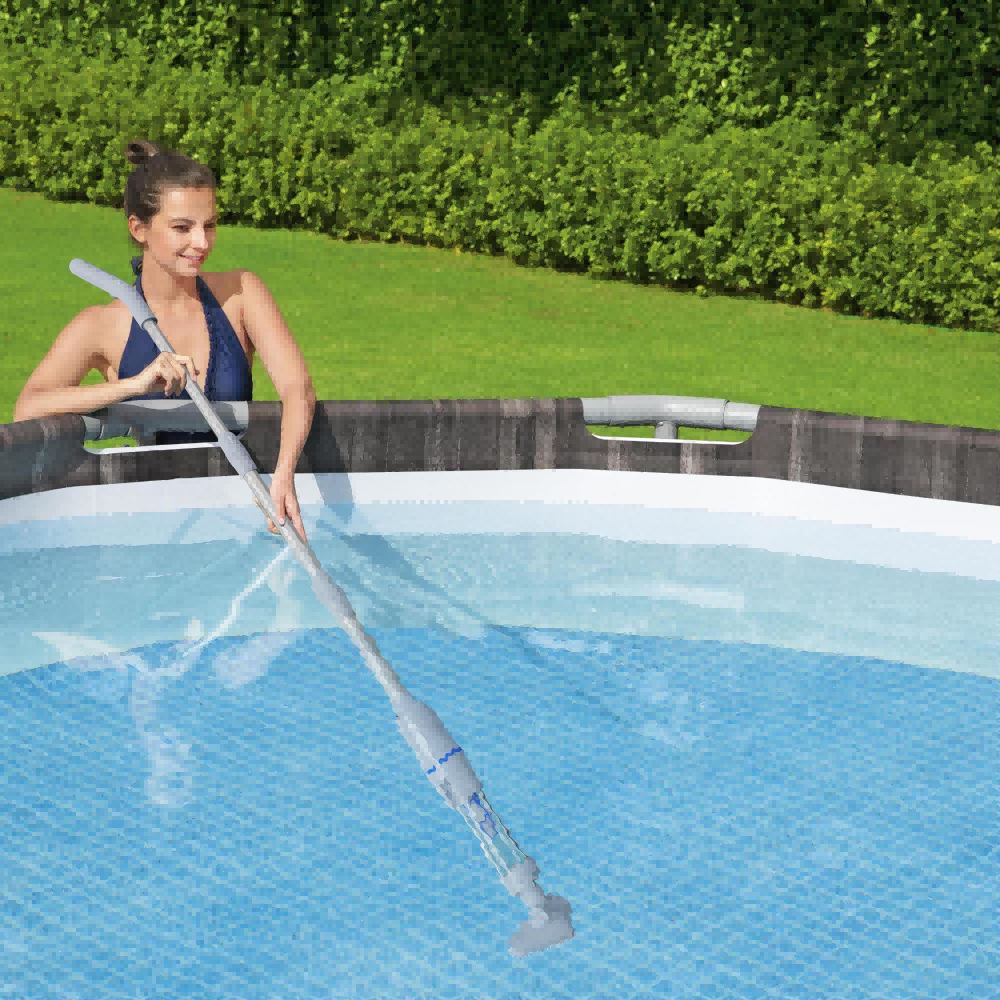
A pool leaf vacuum is a cleaning device made to collect larger debris that regular pool vacuums or skimmers might struggle with.
Its design typically includes:
- A wide intake opening to capture bulky debris.
- A mesh debris bag to trap collected leaves while letting water flow through.
- Wheels or brushes to glide along the pool floor without damage.
How it works:
When connected to a garden hose, the water pressure creates a venturi effect — a suction force that lifts debris off the pool floor into the bag. Some models instead connect to your pool’s filtration system, using the pump’s power to pull debris in. This prevents clogging your skimmer basket or pump with large waste.
Can It Pick Up Large Debris Like Leaves and Twigs?
Yes — this is the main reason pool owners love leaf vacuums. Unlike fine-particle vacuums, a pool leaf vacuum can scoop up:
- Wet or dry leaves.
- Small branches or twigs.
- Acorns, seed pods, and pine needles.
- Flower petals and seasonal plant droppings.
For heavy debris days — such as after a storm — a leaf vacuum can save hours of manual skimming.
Does It Connect to a Garden Hose or Pool Filtration System?
There are two main connection types:
- Garden Hose Connection – Simple setup, portable, and great for pools without a powerful pump system. The hose supplies water pressure to create suction.
- Filtration System Connection – Uses the pool pump’s suction for stronger cleaning; ideal for larger pools or heavy debris loads.
Some hybrid models can work with both, offering flexibility for different maintenance situations.
Is It Suitable for Both Above Ground and Inground Pools?
Absolutely. Leaf vacuums work well in:
- Above ground pools – Easy to maneuver and lightweight, perfect for smaller pool dimensions.
- Inground pools – Capable of covering large areas quickly, especially with wide vacuum heads.
Their design makes them just as effective in backyard residential pools as in commercial hotel or resort pools.
How Often Should You Use a Pool Leaf Vacuum During Pool Season?
The frequency depends on your pool’s surroundings:
- Tree-heavy yards – Daily or every other day during peak shedding seasons (autumn, spring).
- Urban or low-debris areas – Once a week or after noticeable debris buildup.
- After storms – Always give your pool a quick clean to prevent debris decay and water chemistry imbalances.
Pro tip: Regular use not only keeps the water looking clear but also reduces strain on your filtration system.
Does It Come With a Reusable Debris Bag or Filter?
Most models include:
- Reusable mesh bags – Environmentally friendly, easy to rinse, and durable.
- Fine mesh or coarse mesh options – Fine mesh traps smaller debris like pine needles; coarse mesh is better for heavy leaf loads.
A few high-end versions even come with interchangeable bag types, so you can customize your cleaning approach.
Can You Use It in Saltwater or Chlorinated Pools?
Yes — the materials used are typically corrosion-resistant plastics and stainless steel, making them safe for:
- Saltwater pools – Rinse thoroughly after use to prevent long-term wear.
- Chlorinated pools – Standard use won’t damage the vacuum; just follow maintenance instructions.
What’s the Difference Between a Pool Leaf Vacuum and a Regular Pool Vacuum?
| Feature | Pool Leaf Vacuum | Regular Pool Vacuum |
|---|---|---|
| Purpose | Large debris removal | Fine dirt, algae, and sediment |
| Debris Handling | Mesh bag catches leaves, twigs, pods | Filter cartridge or pool filter system |
| Best Use | Seasonal heavy cleaning | Routine weekly cleaning |
| Connection Type | Garden hose or filtration system | Typically filtration system only |
Many pool owners keep both — using the leaf vacuum for big debris and a regular vacuum for fine cleaning.
Is It Safe to Use on Vinyl or Delicate Pool Surfaces?
Yes — most leaf vacuums have:
- Soft wheels or padded brushes to prevent scratches.
- Non-abrasive edges that won’t tear vinyl liners.
- Smooth gliding action to protect fiberglass or painted concrete pools.
How Do You Clean and Store a Pool Leaf Vacuum After Use?
- Empty the bag – Remove leaves and debris before they rot and create odors.
- Rinse with fresh water – Remove chlorine or salt to prevent material wear.
- Dry thoroughly – Avoid mold growth in the bag or body.
- Store indoors or in a shaded shed – UV light can weaken plastic over time.
With proper care, a quality pool leaf vacuum can last several seasons, making it a smart long-term investment for any pool owner.
💡 Final Takeaway:
A pool leaf vacuum is a must-have seasonal cleaning tool, especially for pools in leaf-heavy areas. It doesn’t replace your regular vacuum, but it makes dealing with large debris quick and effortless — keeping your pool swim-ready without constant skimming.



 English
  French
  Italian
  German
  Spanish
  Polish
  Danish
  Indonesian
  Swedish
  Russian
  Turkish
  Portuguese