
When it comes to pool water disinfection, pool owners are faced with an important decision: should they opt for a saltwater system or stick with traditional chlorine treatment? Both methods have their pros and cons in terms of effectiveness, cost, maintenance, and impact on health and the environment. In this guide, we compare saltwater and chlorine pools to help you determine which option best suits your needs.
How Does a Saltwater Pool Work?
A saltwater pool uses a salt chlorinator (electrolysis system) that converts dissolved salt (sodium chloride) into active chlorine. This process continuously disinfects the pool before the chlorine reverts back to salt. With a salt concentration of around 3-5 g per liter—far lower than seawater—saltwater pools are gentler on the skin and eyes.
Pros of a Chlorine Pool:
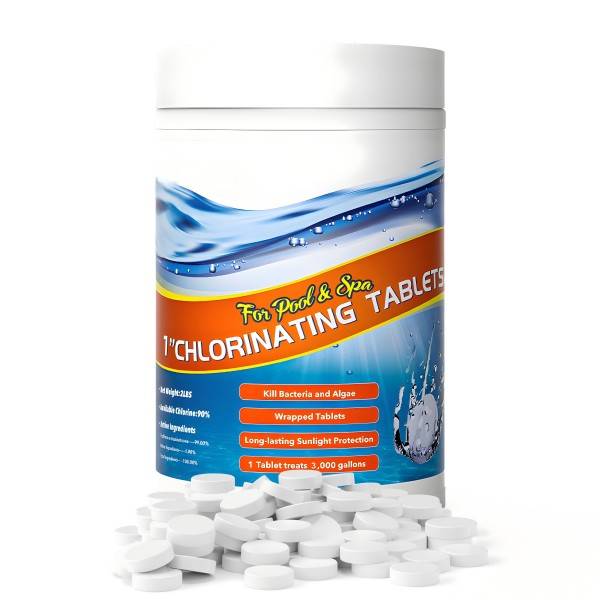
- Lower Initial Costs: Traditional chlorine pools do not require an expensive salt chlorination system.
- Effective Disinfection: Chlorine is a proven and reliable disinfectant that effectively eliminates bacteria and algae.
- No Corrosion Risks: Unlike saltwater, chlorine does not pose a risk of corroding metal components in pool equipment.
Cons of a Chlorine Pool:
- Skin & Eye Irritation: Chlorine can cause irritation, dryness, and allergic reactions.
- Strong Odor: Poorly maintained chlorine pools can develop an unpleasant swimming pool smell.
- Higher Chemical Usage: Regular chlorine dosing is necessary, leading to higher long-term expenses.
- Fluctuating Water Quality: Inconsistent chlorine levels can result in algae growth and bacterial contamination.
- Storage & Handling Risks: Chlorine products must be stored safely and handled with caution due to their chemical properties.
Cost Comparison: Long-Term Expenses
| Criteria | Saltwater Pool | Klor Pool |
|---|---|---|
| Initial kostnad | Higher (salt chlorinator required) | Lower (basic chlorine dosing) |
| Operating Costs | Lower (fewer chemicals needed) | Higher (regular chlorine purchases) |
| Underhåll | Lower (automated disinfection) | Higher (manual dosing required) |
| Long-Term Costs | Savings on chemical expenses | Ongoing chlorine costs |
While chlorine pools are cheaper to set up initially, the recurring expenses of chemicals can add up over time. Saltwater pools require a higher upfront investment but offer long-term savings through reduced chemical use and lower maintenance costs.
Conclusion: Which Pool Disinfection Method is Right for You?
Both systems have their advantages and drawbacks. If you prefer a gentler, eco-friendlier solution with less maintenance, a saltwater pool is a great choice. On the other hand, if you’re looking for a tried-and-true, budget-friendly method, a chlorine pool remains a reliable option for pool hygiene.
Ultimately, the decision depends on your individual preferences, budget, and pool usage. By weighing the benefits and costs of each system, you can select the best disinfection method for a safe and enjoyable swimming experience.
-300x300.jpg)

.jpg)

 Swedish
  English
  French
  Italian
  German
  Spanish
  Polish
  Danish
  Indonesian
  Russian
  Turkish
  Portuguese