
Modern pool maintenance has entered the smart era, with different types of cleaning robots each excelling in their own way. This article provides a quick breakdown of mainstream pool robot categories and features to help you easily find the perfect cleaning solution. From basic models to smart systems, there’s an ideal match for every pool’s needs.
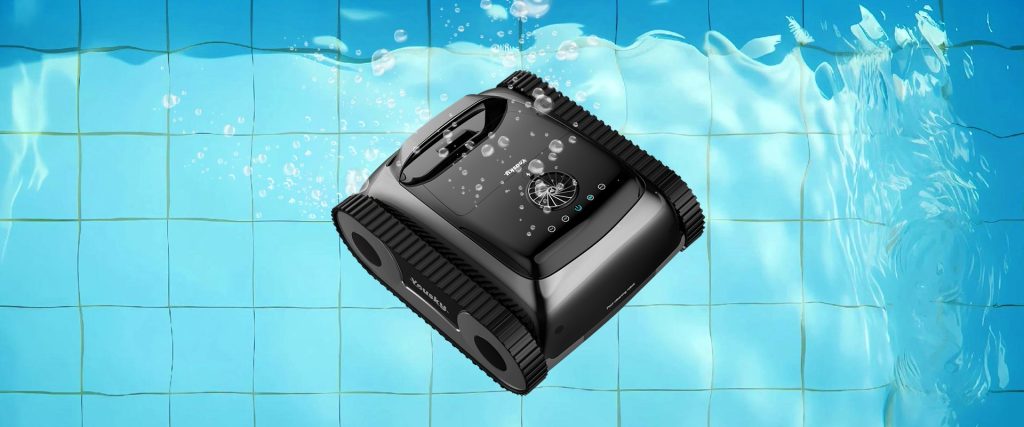
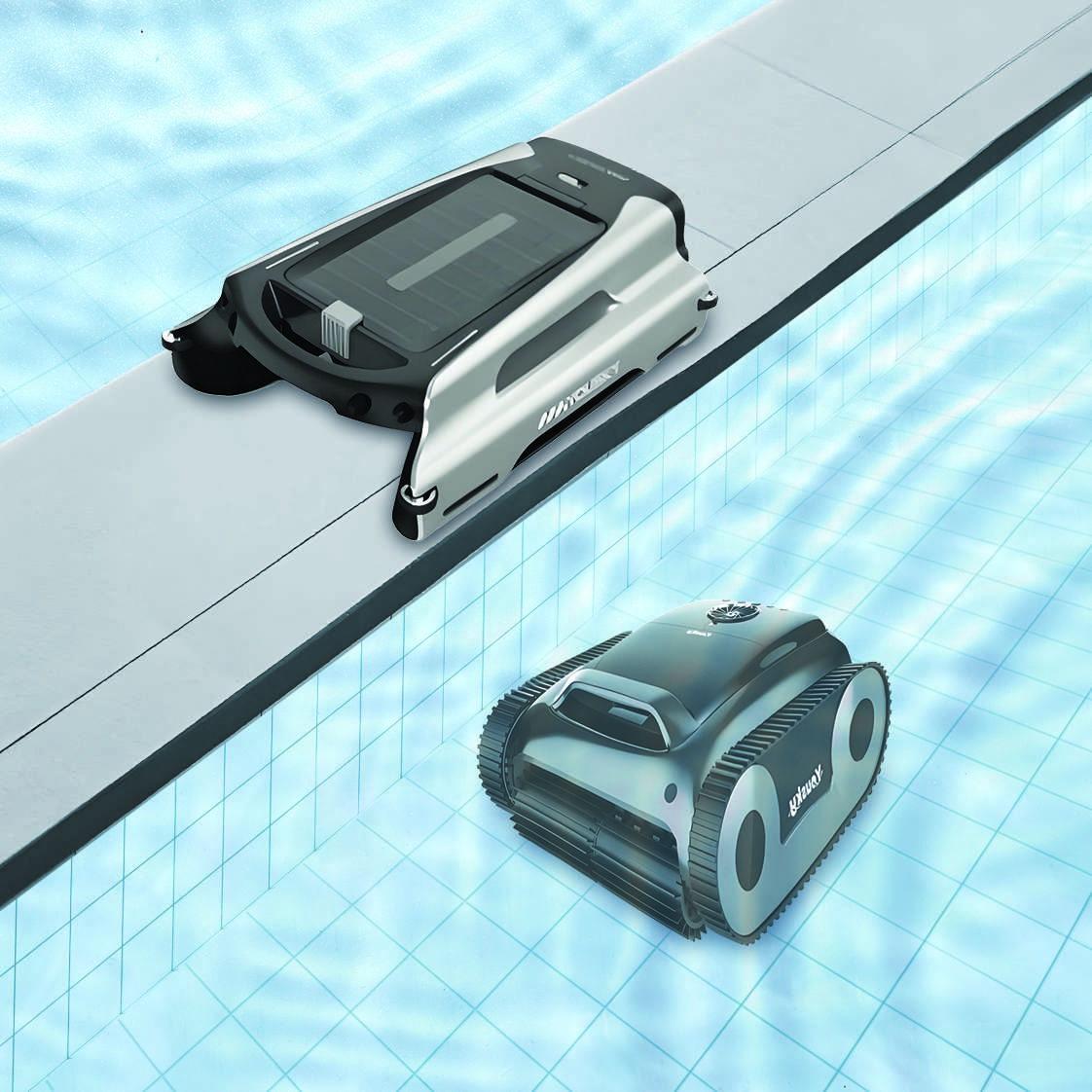
Robotiserade poolrengörare can be categorized into several types based on design, functionality, and application scenarios.
Classification by Power Supply
1) Corded (Wired) Models
- Features: Powered via a waterproof low-voltage (24-36V) cable connected to a transformer, ensuring uninterrupted operation.
- Advantages: Stable power supply, ideal for large pools (2-4 hours of cleaning time).
- Disadvantages: Cable may tangle and require manual adjustment.
2) Cordless (Battery-Powered) Models
- Features: Equipped with built-in lithium batteries for cable-free operation.
- Advantages: Highly portable, no cable tangling issues.
- Disadvantages: Limited runtime (1-2 hours), best for small to medium pools.
Classification by Cleaning Coverage
1) Full-Pool Cleaners (Floor + Walls)
- Features: Equipped with tracks or powerful brushes to climb walls (even 90° vertical surfaces).
- Advantages: Comprehensive cleaning in one go.
2) Floor-Only Cleaners
- Features: Designed only for pool floors, no wall-climbing capability.
- Advantages: More affordable, simpler structure.
Classification by Intelligence Level
1) Basic Path Planning Models
- Features: Pre-programmed cleaning paths (e.g., spiral, zigzag) without environmental sensing.
- Advantages: Cost-effective, suitable for standard-shaped pools.
2) Smart Navigation Models (AI/Gyroscopic/Laser)
- Features: Real-time scanning of pool shape with dynamic path adjustments.
- Advantages: High efficiency with obstacle avoidance.
Classification by Additional Features
1) Basic Cleaning Models
- Features: Only suction and filtration functions.
- Advantages: Simple operation, easy maintenance.
2) Multi-Functional Models
- Features: Includes scrubbing, filtration, waterline cleaning, and even UV sterilization.
- Advantages: Versatile, ideal for high-demand users.
Main factors need to be considered when choosing a robotbaserad poolrengörare, to ensure the chosen product matches the pool conditions, is easy to use, and offers good value for money.
Pool Specifications
- Pool Size (Length / Width / Depth): Choose a robot with suitable cleaning power and cable length.
- Pool Shape: Rectangular, round, or irregular shapes affect the robot’s navigation capability.
- Pool Surface Material: Tile, fiberglass, concrete, etc. – different surfaces may require specific brush types.
- Slopes / Steps: Some robots may not adapt well to complex terrain.
- Above-ground vs. In-ground Pool: Affects power supply setup and safety considerations.
Cleaning Capabilities
- Cleaning Area:
- Bottom Only: Suitable for basic maintenance.
- Bottom + Walls: More thorough cleaning.
- Bottom + Walls + Waterline: High-end models, most comprehensive cleaning.
- Brush Type:
- PVC brush, foam brush, or hybrid brush; suitable for different pool surfaces.
- Filtreringssystem:
- Filtration precision (μm);
- Ease of removal and cleaning;
- Availability of multiple baskets or filters.
Navigation & Smart Features
- Navigation Method:
- Random path (entry-level models);
- Smart path planning (mid to high-end models).
- Sensors / Mapping:
- Obstacle detection;
- Ability to recognize pool structure.
- Remote Control:
- Smartphone app support;
- Scheduling, path selection, and cleaning mode customization.
Performance Specifications
- Cable length or whether it’s wireless (battery-powered);
- Working time and charging time;
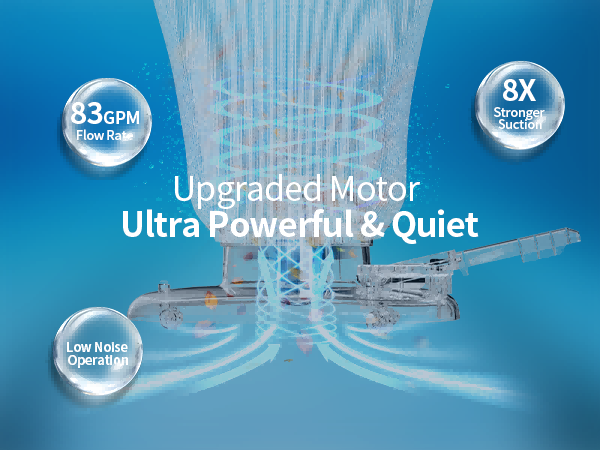
- Suction power (in L/h or GPM);
- Movement speed;
- Cleaning cycle duration (usually adjustable between 1–3 hours).
Ease of Use & Maintenance
- Easy to place in and remove from the pool;
- Machine weight;
- Includes trolley or storage caddy;
- Ease of cleaning filter basket and replacing parts.
Brand & After-Sales Support
- Well-known brands or Cost-effective brands
- Availability of local after-sales service or distributors;
- Warranty coverage (typically 1–3 years);
- User reviews, reputation, and repair rates.
Budget & Value for Money
- Price Ranges:
Entry-level: ¥2,000–4,000;
Mid-range: ¥4,000–8,000;
High-end: ¥8,000+.
- Are extra features worth the price?
- Compare performance with products in the same price bracket.
Rekommendationer:
- For home use and small pools, a mid-range model with wall-cleaning capabilities is recommended.
- For larger pools or commercial use, choose a high-suction model with smart navigation and remote control.
- Battery-powered (cordless) robots offer more convenience but be mindful of battery life and durability.

 Swedish
  English
  French
  Italian
  German
  Spanish
  Polish
  Danish
  Indonesian
  Russian
  Turkish
  Portuguese