
I. Market Size and Growth Forecast Analysis
1.1 The overall market size of handheld pool cleaners in Europe in 2026
The European handheld pool cleaning machine market is projected to maintain robust growth through 2026. Market research data indicates that the European pool cleaning equipment market reached €1.43 billion in 2024, with an estimated increase to approximately €1.58 billion by 2026, representing a year-on-year growth rate of 10.5% (28). Within the broader pool cleaning equipment sector, handheld pool cleaning machines, as a key segment of portable cleaning devices, account for 20-25% of the market share. The European handheld pool cleaning machine market is expected to reach €320-390 million by 2026.
From a global market perspective, the worldwide swimming pool vacuum cleaner market reached approximately $2.87 billion in 2023, with vacuum cleaner subcategories accounting for about 61% of the total market share, equivalent to $1.75 billion. As the world’s second-largest market for pool cleaning equipment, Europe holds 28-30% of the global market share (71), while handheld pool cleaners in Europe are growing at a slightly faster rate than the overall market average.
The handheld pool cleaner market is driven by three key factors. First, the steady growth of pool ownership in Europe, with the European Federation of Pools and Spa Facilities reporting over 2.8 million residential pools across the EU, nearly 40% of which are in France. Second, consumers increasingly seek convenient cleaning solutions, particularly for small and medium-sized pools, where portable handheld cleaners are favored for their flexibility. Third, technological innovation has spurred product upgrades, with smart and eco-friendly handheld cleaners further stimulating market demand.
1.2 Historical Growth Trajectory and 2026 Forecast
The European handheld pool cleaning machine market has maintained steady growth in recent years. Market data indicates that the European market size was approximately $600 million in 2019 and is projected to reach $900 million by 2024, with a compound annual growth rate of around 6% (78). Entering 2025, the market growth has accelerated further, driven by rapid technological innovation and a clear trend of consumption upgrading. The growth rate is expected to reach 8-10% during 2025-2026, surpassing previous levels.
The 2026 market forecast reveals several key features:
The market structure has undergone significant optimization: Traditional manual handheld cleaning devices have seen a steady decline in market share, dropping from approximately 45% in 2023 to around 30% by 2026. Meanwhile, smart handheld cleaning devices have experienced rapid growth, increasing from 25% in 2023 to an estimated 45% by 2026. Additionally, eco-friendly and energy-efficient products have expanded their market share from 15% in 2023 to an expected 20% by 2026.
The price range differentiation is intensifying: The market share of low-end products (below €200) has dropped from 35% in 2023 to an estimated 25% by 2026. Mid-range products (€200-500) maintain stability at approximately 40% of the market. High-end products (over €500) are projected to grow from 20% in 2023 to 30% by 2026, with smart handheld cleaning devices featuring intelligent navigation and water quality monitoring functions experiencing particularly rapid growth (84).
The regional growth differences are significant: the growth rate of mature markets in Western Europe (Germany, France, UK) is stable at 7-8%; the growth rate of Southern Europe (Spain, Italy, Portugal) is 10-12% due to seasonal factors; the growth rate of emerging markets in Eastern Europe is the highest, reaching 15-18%, mainly benefiting from the rapid development of swimming pool construction.
1.3 The Position of Hand-held Pool Cleaner in the Overall Pool Cleaning Equipment Market
Handheld pool cleaners hold a unique and significant position in Europe’s overall pool cleaning equipment market. Market research data indicates that by 2026, the European pool cleaning equipment market will exhibit a diversified structure: robotic pool cleaners will account for approximately 45% of the market share, handheld/portable cleaning devices will make up 20-25%, pressure cleaners will represent 20%, and suction cleaners will constitute 10-15%.
The market position of handheld pool cleaners is reflected in the following aspects:
The irreplaceable nature of handheld pool cleaners: In scenarios like small private pools (under 50 square meters), massage pools, and hot spring pools, these compact and portable devices with simple operation have become the go-to cleaning solution. Statistics show that approximately 40% of private pools in Europe are small-sized, making handheld cleaners particularly suitable for such applications (84).
The price advantage is striking: Unlike robotic pool cleaners priced at 1,000-3,000 euros, handheld pool cleaners typically range from 100 to 800 euros, with mainstream models priced between 200 and 500 euros—making them more affordable for average consumers. This pricing advantage has made handheld cleaners the go-to choice for price-sensitive buyers (76).
Exceptional complementary synergy: Handheld pool cleaners and robotic cleaners create a perfect complement. Many pool owners use both devices simultaneously, with robots handling routine large-area cleaning while handhelds tackle spot cleaning, edge maintenance, and emergency tasks. This strategic pairing has cemented the handheld cleaner’s market dominance.
Technological innovation drives value enhancement: With the integration of SLAM navigation technology, smart sensors, and wireless connectivity, handheld pool cleaners have evolved from basic suction tools into intelligent cleaning devices. This technological advancement has elevated their added value, securing their position in the premium market (40).
II. Growth driven by technological innovation
2.1 Technological Innovation and Market Penetration
The European handheld pool cleaning machine market is undergoing a wave of intelligent transformation, with multiple innovative technologies significantly enhancing product performance and user experience. Among these, SLAM (Simultaneous Localization and Mapping) navigation technology has emerged as a standout innovation. According to the latest industry report, the SLAM navigation architecture in robotic vacuum cleaners, after underwater adaptation and restructuring, achieved ±3.2cm positioning accuracy in standard pools through sonar-IMU fusion and semantic SLAM algorithms, while improving path efficiency by 41% (40). Projections indicate that by 2026, SLAM-equipped high-end handheld models will reach a 52% market penetration rate. This technological breakthrough enables handheld cleaners to plan cleaning paths more efficiently, avoid redundant cleaning, and substantially boost operational efficiency.
AI-powered smart navigation systems represent another pivotal technological innovation. Leading brands like Beatbot have introduced the AquaSense 2 series, which integrates intelligent navigation capabilities to optimize cleaning routes, ensure full pool coverage, minimize missed areas, and maximize efficiency. These systems also feature advanced ultrasonic sensors that analyze and map the pool environment, enabling seamless avoidance of edges and obstacles while planning optimal cleaning paths (44). According to industry statistics, over 40% of new handheld pool cleaners launched in the European market by 2026 will incorporate AI navigation technology.
The integration of water quality monitoring technologies has emerged as a key trend. By coupling water treatment chemical sensing with AI-powered visual recognition, handheld cleaning devices can generate Water Quality Health Index (WHI) and spatial pollutant mapping, achieving a 37% efficiency boost while reducing false alarm rates to 4.1% (40). Advanced models like Aiper’s Scuba V3 incorporate built-in cameras and depth-of-field (dToF) sensors with proprietary AI algorithms, enabling precise detection of over 20 common pool contaminants. The system can identify objects as small as 2×2cm, delivering cleaning speeds 10 times faster than traditional grid-based methods (47).
The widespread adoption of IoT technology has significantly enhanced product intelligence. By 2026, handheld pool cleaners with Wi-Fi or Bluetooth connectivity are projected to account for 45% of the market. Users can remotely control devices, monitor cleaning progress, and receive maintenance alerts through mobile apps. This smart upgrade not only elevates user experience but also creates new business models for manufacturers, such as offering value-added services and data analytics via apps.
2.2 Environmental Protection Technology Development and Regulation Driven Growth
The EU’s stringent environmental regulations are driving technological innovation and market expansion in handheld pool cleaning devices. In 2024, Regulation (EU) 2024/1786 formally classified pool cleaning equipment under the Energy-related Products (ERP) Eco-design Directive, requiring all products to achieve an A-level energy efficiency rating by 2026 and maintain noise emissions below 50 decibels (84). The implementation of this regulation has directly fueled the market demand for eco-friendly handheld cleaning devices.
Energy efficiency enhancement has become a key focus in technological innovation. The new generation of handheld pool cleaners achieves significant energy savings through technologies like high-efficiency brushless motors, optimized hydrodynamic design, and intelligent variable frequency control. Test data shows that compliant handheld cleaners meet new energy efficiency standards, reducing energy consumption by 30-40% compared to traditional models, with some advanced models achieving over 50% efficiency improvement (57). For instance, SYCLOPE’s perlite filtration system not only delivers up to 90% water conservation but also cuts energy usage by 50% (57).
Significant breakthroughs have been made in noise control technology. To comply with the EU’s 50-decibel noise limit, manufacturers have implemented multiple solutions: optimizing motor designs to reduce vibrations, using noise-reducing materials, and improving hydrodynamic designs to minimize water flow noise. By 2026, mainstream handheld cleaning devices on the market typically operate at 45-50 decibels, with some high-end models achieving below 40 decibels—close to the quietness of a library.
The trend toward eco-friendly materials is gaining momentum. The EU mandates that pool cleaning products must incorporate more recycled materials by 2026, with a minimum 85% recyclability rate. Many manufacturers are now adopting sustainable materials like ocean-reclaimed plastics and bio-based alternatives. Furthermore, product designs are increasingly prioritizing repairability and disassemblability, featuring modular configurations that simplify component replacement and recycling.
Solar technology has emerged as a new highlight. WYBOT’s S2 Solar series, the world’s first eco-smart solar pool cleaner, has garnered significant attention in the European market (59). By integrating solar panels, these products not only harness renewable energy but also significantly reduce operating costs, making them particularly suitable for sunny southern European regions.
2.3 Contribution of Product Innovation to Market Growth
Technological innovation has directly driven the product upgrades and market expansion of handheld pool cleaners. Market research data indicates that smart and eco-friendly handheld cleaners in the European market will achieve a compound annual growth rate (CAGR) of 24.3% by 2026, significantly outpacing the 7.2% growth rate of traditional non-eco-friendly models. This structural growth is primarily reflected in the following aspects:
Integrated product features enhance value: While traditional handheld cleaners primarily focus on dirt suction, the 2026 product line incorporates multiple functions including vacuuming, filtration, water quality monitoring, and disinfection. For instance, some models feature UV-C disinfection to eliminate bacteria and viruses in water, while others include pH and residual chlorine monitoring to provide real-time water quality insights (84). This functional integration has increased average product prices by 30-50% while simultaneously expanding market demand.
The user experience has been significantly enhanced through innovations like touchscreens, voice commands, and gesture controls, making handheld cleaning devices more intuitive and user-friendly. These upgrades are particularly beneficial for elderly users and those unfamiliar with technology, effectively lowering the learning curve. User surveys reveal that improved usability has driven user satisfaction rates from 75% in 2023 to 88% in 2026.
Battery life has been significantly enhanced: Breakthroughs in battery technology have resolved the endurance challenge for wireless handheld cleaning devices. By 2026, mainstream models will typically offer 2-4 hours of runtime, with premium variants surpassing 6 hours. The introduction of fast-charging technology further reduces charging time to 2-3 hours, effectively meeting daily cleaning needs.
The application scenarios of handheld cleaning devices are continuously expanding. Technological innovations have extended their use from traditional swimming pools to massage pools, hot spring pools, and small water features. Customized designs for different water types (freshwater, saltwater, and hot spring water) cater to diverse market demands. Statistics show that by 2026, handheld cleaning devices for non-traditional pool scenarios will account for 35% of sales, emerging as a new growth driver.
III. Characteristics of Regional Market Differentiation
3.1 Dominance in Core Markets (Germany, France, Italy)
Germany, France, and Italy dominate the European pool cleaning machine market, collectively accounting for 58% of the regional market (87). These three countries, with their vast pool ownership, strong purchasing power, and demand for high-quality products, serve as the primary drivers of market growth.
Market Analysis of Germany: As Europe’s largest economy, Germany’s handheld pool cleaning machine market is projected to reach €85 million by 2026, accounting for 21.5% of the European market share. German consumers demonstrate exceptional demand for product quality and eco-friendliness while showing relatively low price sensitivity. A defining feature of the German market is its strong embrace of technological innovation, with smart handheld cleaners achieving a 65% penetration rate by 2026 – significantly higher than the European average. German consumers particularly prioritize energy efficiency ratings and noise control, where Class A-rated products command a 78% market share (73).
Market Analysis of France: As Europe’s largest holder of private swimming pools, accounting for approximately 40% of the EU total, France presents a vast market for handheld pool cleaners. The market is projected to reach €105 million by 2026, representing 26.5% of the European market share. French consumers favor aesthetically designed products with advanced smart features. Another notable characteristic is the pronounced seasonal demand, where summer (June-August) sales account for 73% of annual volume, with July typically being the peak month.
Market Analysis of Italy: The Italian market is projected to reach approximately 62 million euros in 2026, accounting for 15.8% of the European market share. Italian consumers are highly price-sensitive and prefer cost-effective products. Data indicates that over 60% of products in Italy are priced under 600 euros (84). Additionally, as a Mediterranean country, southern Italy experiences an 8-9 month swimming season, which significantly boosts demand for handheld pool cleaners in the region. A distinctive feature of the Italian market is the preference for portable and easy-to-store products, as many Italian households have limited storage space.
These three core markets share three defining characteristics: stringent product certification standards (e.g., Germany’s VDE certification and France’s NF certification), well-established distribution networks, and strong consumer brand loyalty. Furthermore, they serve as testing grounds for new technologies and products, with many innovations first launched here before being rolled out to other European countries.
3.2 Differentiated Growth of Southern and Northern European Markets
The European market for handheld pool cleaners shows a clear north-south divide, primarily due to variations in climate, cultural practices, and economic development levels.
Characteristics of the Southern European market (Spain, Portugal, Greece, etc.): The handheld pool cleaner market in Southern Europe is projected to reach approximately 83 million euros in 2026, accounting for 21% of the European market share. The region’s market growth exhibits distinct seasonal patterns, with summer (June-August) being the peak sales season. Sales during these three months account for 73% of the annual total (84). When temperatures exceed 30°C for consecutive days, handheld cleaners experience a 32% surge in sales (67).
The growth of the Southern European market is primarily driven by the thriving tourism industry. Popular destinations like Barcelona and Mallorca in Spain, Portugal’s Algarve, and Greece’s Crete boast numerous hotel pools and resort villa pools, creating strong demand for portable cleaning devices. The Spanish market is projected to grow by 12% in 2026, exceeding the European average, with tourism-related pool cleaning equipment being the main driver of this growth.
South European consumers exhibit distinctive purchasing patterns. With swimming pools being primarily used in summer, many opt to purchase cleaning equipment during spring (March-May) to prepare for the season, making this period another peak sales season in the region. Additionally, consumers prioritize products with durability and ease of maintenance, as high temperatures and intense sunlight accelerate equipment aging.
Nordic market (Sweden, Norway, Denmark, etc.) characteristics: The Nordic market is projected to reach approximately 31 million euros in 2026, accounting for 7.8% of the European market share. Despite its relatively small scale, the region boasts a 15% growth rate, ranking among Europe’s fastest-growing regional markets. A defining feature of the Nordic market is the short usage period of swimming pools (typically 3-4 months), yet consumers maintain exceptionally high quality standards and are willing to pay premium prices for premium products.
The Nordic market growth is primarily driven by three key factors: First, the steady increase in private pool installations, particularly in Sweden and Denmark, where economic development and improved living standards have encouraged more households to build private pools. Second, strong demand for eco-friendly products, as Nordic consumers are Europe’s most environmentally conscious group, willing to pay a 10-20% premium for products using sustainable materials and low energy consumption. Third, rapid adoption of technological innovation, with Nordic countries leading Europe in digitalization and smart technologies, where smart handheld cleaning devices have a penetration rate exceeding 70% in the region.
The Nordic market is characterized by specific functional requirements for products. Given the harsh winters, many pools require special maintenance, making handheld ice-breaking and snow-removal cleaning devices particularly popular. Additionally, cold resistance is a critical consideration, as the equipment must function effectively in low-temperature environments.
3.3 Growth potential of emerging markets
Eastern and Central Europe, emerging as a key player in Europe’s handheld pool cleaning machine market, shows tremendous growth potential. The region’s market is projected to reach €42 million by 2026. While currently accounting for just 10.6% of the European market share, its 18% annual growth rate significantly outpaces the mature markets in Western Europe.
Key drivers of Eastern European market growth: The region’s rapid expansion stems from multiple factors. Economically robust growth has spurred consumption upgrades, with expanding middle-class demographics prioritizing quality living standards. Urbanization accelerates, driving new residential developments to increasingly feature swimming pool amenities. Tourism boom—particularly in Poland, Hungary, and the Czech Republic—has fueled demand for pool cleaning equipment through vacation hotels and spa resorts. Moreover, price sensitivity makes cost-effective handheld cleaners more appealing than expensive robotic models.
Key Country Market Analysis: Poland, the largest market in Eastern Europe, is projected to reach €15 million in 2026, accounting for 35.7% of the region’s total market. The Polish market is characterized by rapid growth despite its small base, with consumers being price-sensitive yet increasingly demanding quality. Romania and Hungary, with market sizes of €8 million and €7 million respectively, both demonstrate growth rates exceeding 20%. A common feature across these countries is the rapid expansion of swimming pool construction, indicating substantial market potential.
Market Entry Strategy Recommendations: To address the unique characteristics of the Eastern European market, manufacturers should adopt the following strategies: Launch product lines with moderate pricing and practical functionality, focusing on meeting basic cleaning needs; Strengthen brand building and market education to enhance consumer awareness of handheld cleaning devices; Establish a comprehensive after-sales service network, as consumers in this region prioritize after-sales support; Consider partnering with local distributors to leverage their channel advantages for rapid market penetration; Product design should account for local climate conditions, such as frost resistance.
4. Analysis of requirements for subdivided application scenarios
4.1 Private residential pool market demand
Private residential pools represent the largest market for handheld pool cleaners, accounting for approximately 78% of the European handheld pool cleaner market (83). By 2026, driven by Europe’s economic recovery and rising living standards, the private residential pool market is expected to experience robust growth.
Market Size and Growth Forecast: The European private residential pool market is projected to reach 1.85 million handheld pool cleaners by 2026, with a market value of approximately €280 million. From 2021 to 2026, this segment is expected to grow at a compound annual growth rate (CAGR) of 8.5%, outpacing the overall market average. This growth is primarily driven by three key factors: 1) Increased pool installation rates in new homes, particularly in affluent regions of Southern and Western Europe; 2) Demand for equipment upgrades in existing pools, with an average replacement cycle of 5-7 years; 3) Growing consumer preference for convenient cleaning solutions, as more pool owners recognize the practicality and cost-effectiveness of handheld pool cleaners.
Consumer Behavior Analysis: Private residential pool owners exhibit distinct stratification in consumption patterns. The premium segment (pools valued over €500,000) prioritizes smart features and aesthetic appeal, paying premium prices for advanced functionalities. While accounting for 15% of the market share, this group contributes 35% of total market value. The mid-range segment (pools valued between €100,000-500,000) balances functionality with affordability, comprising 50% of buyers who represent 45% of market value. The budget segment (pools valued below €100,000) demonstrates the highest price sensitivity, emphasizing practicality and durability. Although constituting 35% of buyers, this segment contributes only 20% of market value (84).
Product Demand Trends: The private residential market demonstrates the following trends in handheld cleaning device demand: 1) Growing demand for smart features, with over 40% of homeowners expecting devices with intelligent navigation and app controls by 2026; 2) Energy efficiency and eco-friendliness as key considerations, particularly with rising energy costs; 3) Diversified product requirements, as different pool types (standard, massage, irregularly shaped) demand specialized cleaning solutions; 4) Enhanced user-friendliness, where intuitive interfaces are crucial for elderly users.
4.2 Market demand for commercial and public facilities
The commercial and public facilities sector is the second-largest application area for handheld pool cleaners, accounting for approximately 22% of the market share (83). While its share is smaller than that of the residential market, the sector’s steady demand and higher product prices make it a key growth driver.
Market Composition and Scale: The commercial and public facilities market comprises the following segments: hotel and resort pools (40% share), public swimming pools (25%), fitness centers and spas (20%), and water parks and theme parks (15%). The market is projected to reach €80 million by 2026, with an annual growth rate of 9.2%.
Market Analysis of Hotel and Resort Sector: The hotel and resort industry represents one of the most significant market segments in commercial hospitality. Europe boasts over 50,000 star-rated hotels, many of which feature swimming pools. By 2026, this sector is projected to require approximately 45,000 handheld cleaning devices. Hotel clients prioritize three key factors: exceptional durability for high-frequency, high-intensity operations; rapid cleaning efficiency; and cost-effective maintenance to reduce operational expenses. Additionally, products must be user-friendly for staff training to minimize training costs. Major international hotel chains like Marriott and Hilton maintain rigorous supplier certification systems, making access to these procurement networks crucial for brand development.
Public Swimming Pool Market Analysis: The public swimming pool market exhibits distinctive demand characteristics. European countries maintain comprehensive public swimming facilities, with Germany alone boasting over 3,000 public pools. These facilities require cleaning equipment that meets stringent hygiene standards, ensures thorough cleaning and disinfection, facilitates rapid cleaning of large pools, accommodates accessibility for people with disabilities, and typically operates within budget constraints, prioritizing cost-effectiveness. By 2026, the market is projected to demand approximately 28,000 handheld cleaning units.
Emerging application scenarios: Beyond traditional commercial and public infrastructure, new sectors are demonstrating growth potential. For instance, the booming homestay and short-term rental apartment markets feature numerous pool-equipped listings on platforms like Airbnb, where owners typically require portable and user-friendly cleaning equipment. Corporate campuses and office buildings are increasingly installing pool facilities as companies prioritize employee welfare. Meanwhile, senior living communities in Europe are expanding due to population aging, driving demand for safe and easy-to-use cleaning equipment in these facilities.
4.3 Growth drivers for small and medium-sized swimming pool scenarios
Small and medium-sized pools (under 50 square meters) are the prime application for handheld pool cleaners and a key driver of market growth. Statistics show that 40% of private pools in Europe are small to medium-sized, creating a massive market for these devices (84).
Market Characteristics and Scale: The small and medium-sized swimming pool market exhibits the following features: a large number of pools with small individual sizes; widespread distribution from urban to rural areas; diverse owner types including ordinary households, homestay operators, and small hotels; price sensitivity with a focus on practicality; relatively simple cleaning needs mainly involving daily maintenance and localized cleaning. In 2026, the European small and medium-sized swimming pool market is expected to see a demand for handheld cleaning machines reaching 950,000 units, accounting for 51% of the private residential market, making it the largest segment.
Key growth drivers: The rapid expansion of the small-to-medium-sized pool market stems from multiple factors. Firstly, the growing prevalence of compact residential units has made small pools a preferred choice for families as urban land resources become increasingly scarce. Secondly, portable pools have gained popularity due to their easy installation and cost-effectiveness, making them ideal for temporary use or spaces with limited dimensions. Thirdly, the rising trend of SPA pools and massage pools—despite their compact size, these facilities require frequent cleaning. Lastly, commercial establishments like boutique hotels and spa centers are increasingly adopting small yet sophisticated pool installations.
Product Innovation Focus: To address the unique needs of small and medium-sized pools, manufacturers have implemented significant design innovations. These include specialized cleaning machines designed for compact spaces, featuring smaller dimensions and lighter weight for easy operation in confined areas. Multifunctional units that combine cleaning, filtration, and disinfection in one device have been developed. Portable storage solutions such as foldable units and wall-mounted models are also available to save space. Dedicated SPA pool cleaners, engineered for the specific water quality of thermal springs, have been introduced. Additionally, child-friendly products have been created to ensure safe usage.
Market Opportunity Analysis: The small and medium-sized swimming pool market holds tremendous potential. As lifestyles evolve, demand for compact recreational facilities continues to rise. In the post-pandemic era, with growing emphasis on family life and wellness, the demand for small pools and spa pools is expected to keep growing. Meanwhile, the rental market boom has created new opportunities for handheld pool cleaners, as many opt for rental portable pools, driving increased demand for related cleaning equipment. Manufacturers should seize this market opportunity by developing more innovative products tailored for small and medium-sized pools.
V. Competition and Supply Chain Analysis
5.1 Distribution of market share among major brands
The European handheld pool cleaning machine market is characterized by ‘traditional giants dominating and emerging brands rising’. According to the latest 2026 market research data, the market has a high concentration, with the top five brands accounting for approximately 65% of the market share.
Global Market Position of Major Players: As the world leader in pool cleaning equipment, Maytronics’ Dolphin brand commands approximately 18% of the European market share, with a particularly strong presence in the premium segment. The company holds 48% of the residential pool market and 44% of the public pool market. Established European and American brands like Hayward, Pentair, and Fluidra collectively account for about 35% of the market. Leveraging their extensive technical expertise, well-established distribution networks, and strong brand influence, these companies maintain a dominant position in the mid-to-high-end market (93).
Performance of European Local Brands: European local brands hold significant market positions, particularly excelling in specific countries and regions. For instance, German brand Hauck, Italian brand Orbitel, and French brand Rollplay collectively command approximately 15% of the market share by leveraging their deep understanding of local markets and localized advantages. These brands are characterized by: a thorough grasp of local consumer needs; a comprehensive local service network; product designs that align with European aesthetics and usage habits; and competitive pricing.
The rapid rise of China brands: The performance of China brands in the European market is remarkable, changing the original competitive landscape. Aiper (Yuanding Intelligence), as a representative of China brands, has a market share of over 35% on Amazon Europe and has consistently ranked first in sales of wireless pool robots for many consecutive years (98). Brands like Seauto (Siaotuo) have rapidly penetrated through cross-border e-commerce platforms, with shipments approaching 100,000 units in 2024,70% of which were European orders from AliExpress (99). The success of China brands is mainly attributed to: cost-performance advantages, with product prices typically only 30-50% of those of European and American brands; strong technological innovation capabilities, achieving breakthroughs in intelligence and energy efficiency; rapid market responsiveness, enabling quick adjustments to products based on market feedback; and flexible sales strategies that fully leverage the advantages of e-commerce platforms.
Market share trends: Between 2023 and 2026, there was a significant change in market share. The market share of traditional European and American brands decreased from approximately 65% in 2023 to about 55% in 2026, while the share of China brands increased from 15% to 25%, with European domestic brands remaining relatively stable. This change reflects intensified market competition and shifts in consumer preferences. It is expected that in the coming years, as China brands enhance their technological capabilities and strengthen brand building, this trend will continue.
5.2 Market breakthrough of China brand
China has achieved a historic breakthrough in the European handheld pool cleaner market, evolving from a marginal player to a key competitor. This breakthrough is not accidental but the result of multiple factors working together.
Technological innovation drives breakthroughs: Chinese brands have made significant progress in technological innovation. For example, Aiper’s Scuba V3 is equipped with an advanced visual recognition system that can identify over 20 types of pool debris, with cleaning efficiency ten times higher than traditional products (47). Many Chinese companies have increased R&D investment, and by 2026, the average R&D investment ratio of major Chinese pool cleaning equipment companies will reach 8-10%, exceeding the industry average. In key technology areas such as SLAM navigation, intelligent algorithms, and energy-saving technologies, Chinese companies have reached or approached international advanced levels.
Business model innovation: Another key factor for the success of China brands is business model innovation. By directly reaching consumers through cross-border e-commerce platforms and bypassing the traditional distributor system, not only are costs reduced, but market feedback can also be obtained quickly. Data shows that China brands account for over 70% of sales on platforms such as Amazon, AliExpress, and eBay (99). Meanwhile, many companies adopt the D2C (direct-to-consumer) model, building brand awareness through self-built websites and social media marketing. The advantages of this model include: more competitive pricing; rapid response to market demand; collection of user data for product improvement; and establishment of direct customer relationships.
Localization strategy: Successful China brands have adopted in-depth localization strategies. This includes: product design localization, developing customized products for the needs of different European countries; language and service localization, providing multilingual customer service and local after-sales service; marketing localization, collaborating with local KOLs and adopting marketing methods familiar to local consumers; compliance localization, ensuring products meet certification requirements of various countries, such as CE certification and German GS certification. For example, some China enterprises have established R&D centers and after-sales service centers in Europe to better serve the local market.
Brand building progress: China brands are transitioning from OEM/ODM models to independent brands, achieving significant progress in brand building. By 2026, brands such as Aiper, Seauto, and Dreamaker have established a certain level of recognition among European consumers. Through continuous product innovation, high-quality user experience, and active brand communication, these brands have gradually changed the stereotype that “China manufacturing = low price and low quality.” Particularly among young consumer groups, China brands are welcomed for their innovation and cost-effectiveness.
5.3 Supply Chain Development and Regional Production Layout
The supply chain of European handheld pool cleaning machine is characterized by global distribution and regional production.
Global supply chain landscape: The supply chain of handheld pool cleaners involves multiple countries and regions. China is the world’s largest production base, accounting for approximately 65% of global capacity, with complete industrial clusters formed in the Pearl River Delta and Yangtze River Delta regions (91). China’s advantages include: a complete industrial chain supporting nearby procurement of motors, batteries, plastics, and electronic components; mature manufacturing processes and quality control systems; significant cost advantages, with manufacturing costs 30-40% lower than those in Europe; and rapid capacity expansion capabilities to meet the rapidly growing market demand.
European local production situation: Despite China’s dominance in manufacturing, Europe still retains a certain level of local production capacity, mainly concentrated in the following areas: assembly and testing of high-end products, especially those with high technical content and added value; production of customized products to meet the needs of special customers; after-sales service and maintenance centers to provide timely technical support. The main advantages of European local production are: the ability to quickly respond to local market demand; stricter quality control of products; compliance with some localization requirements for government procurement; and reduced transportation costs and time.
Supply Chain Challenges and Responses: By 2026, the supply chain faces multiple challenges: price fluctuations of raw materials, particularly rising costs of basic materials like plastics and metals; persistently high logistics costs, especially cross-border transportation expenses; uncertainties in the international trade environment, including changes in tariffs and trade policies; stricter environmental requirements with enhanced eco-standardization for materials and production processes; and disruptions to supply chains caused by emergencies like pandemics. To address these challenges, companies have implemented various strategies: establishing diversified supplier networks to reduce reliance on single vendors; maintaining strategic inventories to mitigate supply chain disruptions; enhancing digital transformation to improve transparency and efficiency; building long-term partnerships with suppliers to jointly manage cost pressures; and investing in automated production equipment to boost manufacturing efficiency.
Regional Production Layout Trends: In the coming years, supply chain layouts will exhibit the following trends: Offshore outsourcing will increase, with some companies relocating part of their production to Eastern European countries like Poland and Hungary, leveraging cost advantages while staying close to European markets; Localization will strengthen, particularly in countries with high supply chain security requirements, where governments encourage domestic production; Green supply chain development will gain momentum as companies prioritize sustainability by adopting more eco-friendly materials and production processes; Digital transformation will accelerate, enhancing supply chain efficiency through technologies like IoT and AI. These trends will profoundly reshape the competitive landscape of the European handheld pool cleaner market.
VI. Assessment of the Impact of Policies and Regulations
6.1 The role of EU environmental regulations in promoting the market
The EU’s rigorous and comprehensive environmental regulations are driving the handheld pool cleaning machine market toward sustainable development. These regulations not only establish stringent standards but also create significant market opportunities.
The comprehensive impact of the European Regulation (EU) 2024/1786: The 2024 enactment of this regulation formally incorporates pool cleaning equipment into the EU’s Eco-Design Directive framework, triggering significant market transformations (84). The new regulation mandates that all handheld pool cleaners sold in the EU market by December 31,2026 must meet these core requirements: Energy Efficiency Index (EEI) must achieve Grade A certification, indicating a minimum 23% reduction in energy consumption compared to current standards; noise emission levels must not exceed 50 decibels, equivalent to the quietness of a library; product recyclability must reach at least 85%, with key components designed for modular disassembly and recycling; standby power consumption must not surpass 1 watt, substantially reducing energy usage during standby mode.
These stringent requirements have directly driven technological innovation and product upgrades. Market research indicates that to comply with new regulations, manufacturers must increase their R&D investment by 8-12% annually for motor optimization and intelligent control system development (14). By 2026, the market penetration rate of products meeting new energy efficiency standards has reached 58%, with projections indicating a rise to 92% by 2030, forming an annual technical transformation market size of 2.1 billion yuan.
New Requirements of Eco-Design Regulations: The European Union’s new Eco-Design Regulation (ESPR), adopted in January 2025, establishes higher standards for product design. The regulation introduces a series of innovative requirements: Durability standards mandate products with a minimum lifespan of 7 years; Reusability and upgradability encourage modular designs that facilitate component replacement and functional upgrades; Maintainability requirements ensure products are easy to disassemble and repair, with manufacturers providing spare parts for at least 5 years; Circular economy mandates a gradual increase in recycled material usage, requiring 15% by 2026 and 30% by 2030; Carbon footprint and environmental impact assessments mandate full lifecycle environmental impact evaluations and consumer information disclosure; Digital product passports require creating digital profiles for each product to record material composition, production processes, maintenance history, and other relevant information.
Impact on Market Structure: The enforcement of environmental regulations is reshaping market dynamics. Firstly, heightened technical barriers are accelerating market consolidation, forcing technologically outdated and non-compliant small and medium-sized enterprises (SMEs) to exit the market, thereby increasing market concentration. Secondly, product pricing structures are evolving. While compliance with environmental standards raises production costs by 15-20%, the enhanced technological sophistication and robust market demand have strengthened product premium pricing capabilities, resulting in average price increases of 25-30%. Thirdly, consumer behavior is shifting, with growing willingness to pay premium prices for eco-friendly products. Sales of certified environmentally friendly products are projected to grow by 45% by 2026.
6.2 Energy efficiency standards and market access requirements in different countries
In addition to the EU-wide regulations, European countries have also established their own energy efficiency standards and market access requirements, which have created complex market impacts.
Germany’s Market Access System: As Europe’s largest economy, Germany enforces the most stringent market access requirements. Beyond the EU CE certification, products must obtain VDE certification, the safety certification from the German Institute of Electrical Engineers. In 2026, VDE certification introduced mandatory clauses such as anti-wrapping mechanisms and child safety locks, with only 58% of market-available models fully complying with the new regulations. Germany’s energy labeling standards have also been tightened, requiring products to display detailed energy consumption data and usage cost estimates alongside the EU’s unified energy labeling. A defining feature of the German market is consumers’ exceptionally high demand for environmental protection and energy efficiency, with Grade A energy-efficient products capturing 78% of the market share – significantly exceeding the European average.
The French market has unique requirements for pool cleaning equipment. NF (French National Institute of Standardization) certification is a key requirement for market entry, emphasizing not only product performance but also sustainability. Under the “Anti-Waste Circular Economy Act” (AGEC), all pool cleaning equipment sold in France must provide an Environmental Product Declaration (EPD) starting in 2025, detailing environmental impacts. Another distinctive feature is the emphasis on aesthetic design, where products must combine excellent performance with elegant appearance.
Differential requirements in Southern European countries: Nations such as Spain, Italy, and Greece, with their hot climates and extended pool usage periods, have distinct product requirements. These countries prioritize durability and anti-aging properties, as intense sunlight and high temperatures accelerate product aging. Spain mandates UNE certification for products, with particular emphasis on stability under high-temperature conditions. Italy imposes additional noise control requirements, especially for residential equipment, where noise levels must be kept below 45 decibels.
Environmental standards in Nordic countries: The Nordic countries lead Europe in environmental protection requirements. Sweden, Norway, Denmark, and other nations enforce stricter environmental standards than the EU, mandating products to obtain the Nordic Swan Ecolabel certification. This certification imposes rigorous requirements throughout a product’s entire lifecycle, covering raw material procurement, production processes, usage phases, and disposal. Nordic countries also prioritize energy efficiency, requiring products to maintain high performance even in low-temperature environments.
Market Access Challenges and Opportunities: Manufacturers face significant challenges due to varying standards and requirements across countries. They must develop different product versions for different markets, increasing R&D and production costs. Certification processes are lengthy and expensive, with obtaining all necessary certifications for a single product potentially taking 12-18 months and costing up to 50,000-100,000 euros. Additionally, establishing complex compliance management systems is required to ensure products meet national regulatory requirements. However, stringent standards also create opportunities: High standards raise market entry barriers, reducing competition from low-quality products. Products with multi-country certifications enjoy stronger brand value and market recognition. Compliance products can secure government procurement orders, as public sectors typically prioritize high-standard products.
6.3 The Promoting Effect of Policy Dividends on Market Growth
European governments have rolled out a series of supportive policies, creating significant growth opportunities for the handheld pool cleaning machine market. These policy benefits are now translating into tangible market expansion.
The EU’s Smart City Initiative: The “Smart City 2025” program serves as a pivotal policy to drive market expansion. It mandates that member states complete smart upgrades for 50% of public swimming pools by 2026, with a dedicated budget of 2.3 billion euros (84). This initiative has had a profound impact: generating approximately 12,000 government procurement orders worth 60 million euros; stimulating R&D investments totaling 350 million euros; advancing standardization efforts to unify technical specifications; and raising public awareness of smart pool cleaning systems, thereby creating fertile ground for market growth.
Support from energy transition policies: European countries ‘energy transition policies have created a massive market for energy-efficient handheld cleaning devices. Germany’s “Energiewende” policy provides subsidies to consumers purchasing energy-saving products, with those buying Class A energy-efficient pool cleaning equipment eligible for 10-15% price subsidies. France’s “France 2030” investment plan prioritizes energy-saving and eco-friendly products as key support areas, offering tax incentives and R&D subsidies to related enterprises. These policies have proven effective, with sales of subsidized energy-saving products growing by 65% in 2026.
Opportunities in Circular Economy Policies: The EU’s Circular Economy Action Plan has created new market opportunities for eco-friendly products. The plan mandates that all products achieve a 90% recyclability rate by 2030, driving demand for disassemblable and recyclable products. Countries like the Netherlands and Austria have implemented product recycling accountability systems, requiring manufacturers to establish recycling frameworks. This not only creates demand for recycling equipment and services but also boosts the market for products made from recycled materials. In 2026, sales of handheld cleaning devices using recycled materials surged by 85%, demonstrating strong market demand.
Local government support measures: In addition to national and EU-level policies, local governments have introduced various support measures. Many cities have implemented “green procurement” policies, requiring government agencies to prioritize environmentally friendly products. For example, the London Metropolitan Government mandates that all municipal swimming pools must use Class A energy-efficient cleaning equipment. Some tourist cities like Barcelona and Nice have raised standards for hotel pool cleaning equipment to enhance their urban image and tourism experience. Although these local policies are on a smaller scale, their cumulative effect is significant, creating an additional market demand of approximately 20 million euros.
Quantitative Analysis of Policy Dividends: A comprehensive assessment of policy impacts reveals that the European handheld pool cleaner market will achieve additional growth in 2026, driven by policy incentives. Government procurement will directly contribute approximately 15% of the growth, valued at €48 million. Consumer subsidies will account for about 25% of the growth, valued at €80 million. Corporate R&D support will indirectly drive growth by approximately 10%, valued at €32 million. Standard upgrades will also drive product upgrades, contributing an additional 20% of the growth, valued at €64 million. Overall, policy factors will contribute approximately €224 million to the market growth in 2026, representing 7.1% of the total market size and serving as a key driver of market expansion.
VII. Changes in Consumer Behavior and Channel Development
7.1 The Evolution of Factors Influencing Consumers’ Purchase Decisions
The decision-making factors of European consumers when buying handheld pool cleaning machine are changing profoundly from traditional price-oriented to value-oriented, which profoundly affects the development direction of the market.
Structural Shifts in Price Sensitivity: While price remains a key purchasing factor, consumer price sensitivity has shown distinct structural patterns. Market research from 2026 indicates that the proportion of high-price-sensitive consumers (budget under €300) in the overall market decreased from 45% in 2023 to 35%. Meanwhile, consumers with moderate price sensitivity (budget €300-600) maintained around 45%, while those with low price sensitivity (budget over €600) increased from 20% to 20%. This shift reflects both enhanced purchasing power and evolving perceptions of product value. Notably, in affluent countries like Germany and Switzerland, over 40% of consumers are willing to pay a premium of 20-30% for products with advanced features.
The diversification of product functionality demands: Consumer expectations for product features have reached unprecedented levels of complexity. While basic cleaning capabilities remain essential, the importance of additional features has significantly increased. A 2026 consumer survey reveals that smart features now play a crucial role in purchasing decisions, with 45% of consumers considering app controls and intelligent navigation as essential or important. Energy efficiency and environmental sustainability rank second, with 38% prioritizing energy-saving products. User-friendliness takes third place, particularly for elderly users who value intuitive interfaces. Durability and reliability are also key considerations, with consumers expecting products to last over five years. Innovative features like water quality monitoring and automatic disinfection are gaining traction, though currently only 15% of consumers consider them essential—though the trend shows clear growth potential.
Brand awareness and purchase preference: The role of brands in consumers ‘purchasing decisions is becoming increasingly important. Traditional European and American brands such as Dolphin and Hayward still maintain strong brand influence, especially among middle-aged and elderly consumers. However, young consumers’ perception of brands is changing, with greater emphasis on product innovation and user reviews. Data shows that among young consumers aged 18-35, the awareness of China brands has reached 45%, compared to just 20% in 2023. The influence of social media and online reviews on purchasing decisions is growing, with over 60% of consumers checking online reviews and user experience shares before buying. In particular, recommendations from some KOLs (opinion leaders) have a decisive impact on young consumers’ purchasing decisions.
The Digital Transformation of Consumer Decision-Making: The purchasing process is undergoing comprehensive digitization. A 2026 survey reveals that 90% of consumers conduct online research before buying, primarily through brand websites (65%), e-commerce platforms (85%), social media (45%), and industry forums (35%). On average, consumers consult 3-5 information sources and spend 2-3 weeks researching and comparing options. In terms of purchasing channels, online purchases have increased from 40% in 2023 to 65% in 2026, with e-commerce platforms accounting for 80% of online purchases, brand websites 15%, and social media 5%. This digital shift not only transforms consumer behavior but also presents new opportunities and challenges for corporate marketing and sales strategies.
7.2 Trend of Online and Offline Channel Integration
The sales channels for European handheld pool cleaners are undergoing profound changes, with the integration of online and offline platforms becoming an irreversible trend. This convergence not only transforms product distribution methods but also profoundly impacts the industry’s development model.
The explosive growth of online channels: Online channels have become the main battleground for the sales of handheld pool cleaners. Data from 2026 shows that online sales accounted for 65% of total sales, a significant increase compared to 40% in 2023. The major online sales platforms include: Amazon Europe, which holds 45% of online sales and is the most important online channel; AliExpress, particularly popular among China brands, with a 15% share; eBay, with a 10% share; brand independent sites, with a 15% share; and other platforms such as Bol.com (Netherlands) and Fnac (France), each with a 15% share. The advantages of online sales are evident: transparent pricing allows consumers to easily compare different products; rich product information is presented comprehensively with images, videos, and user reviews; convenient purchasing with one-click ordering and doorstep delivery; 24/7 business hours for instant purchases; and personalized recommendations based on user behavior.
The Transformation and Innovation of Offline Channels: Confronted with the impact of online channels, offline channels are actively transforming. Traditional specialty stores and department stores are addressing challenges through the following approaches: experiential sales by offering product trial services for customers to personally experience product features; professional consulting services with dedicated sales personnel providing one-on-one purchasing guidance; after-sales service centers offering installation, maintenance, and repair services; and community events such as pool maintenance seminars and product experience activities to enhance customer loyalty. Meanwhile, innovative offline models are emerging: pop-up stores set up temporary shops in shopping malls to reduce rental costs; store-in-store setups featuring dedicated counters in large home furnishing markets like IKEA and OBI; and service center models that integrate sales with services to provide one-stop solutions.
Innovative O2O Integration Practices: The convergence of online and offline channels (O2O) has emerged as a new trend in channel development. Key integration models include: 1) Online Research, Offline Purchase (ROPO) – where consumers research products online and then experience and purchase them in physical stores, accounting for 35% of cases; 2) Offline Experience, Online Purchase – where consumers try products in-store before ordering online, representing 25% of cases; 3) Omnichannel Inventory Sharing – real-time synchronization of online-offline inventories, allowing consumers to choose between nearby pickup or home delivery; 4) Unified Membership System – cross-platform points redemption and consistent member benefits; 5) Seamless Service Experience – standardized services from consultation, purchase to after-sales support across both channels.
Exploring Emerging Channel Models: Beyond traditional online and offline channels, several innovative models are rapidly gaining traction. Social commerce has emerged as a key growth driver, with direct sales through platforms like Instagram and Facebook projected to account for 5% of total sales by 2026, rising to 10% by 2027. Live-streaming sales are gaining momentum in Europe, particularly among younger demographics. The subscription service model, where consumers pay for regular cleaning services and product replacements, proves especially suitable for business clients. The rental model, offering flexible usage options, lowers the barrier to entry and appeals to occasional users. While these emerging models currently represent a small share of the market, their rapid growth indicates a promising future direction.
7.3 The support of the after-sales service system to the market growth
The perfect after-sales service system is not only an important part of the product competitiveness, but also a key factor to promote the market growth. In Europe, the after-sales service has changed from a cost center to a profit center and a competitive advantage.
Diversified and Specialized Service Demands: European consumers exhibit increasingly diversified and specialized requirements for after-sales services. A 2026 survey revealed that consumers prioritize the following aspects: Technical support services, where 90% consider timely technical guidance essential when products malfunction; On-site repair services, particularly for large or complex products, where customers expect technicians to visit locations; Regular maintenance services, including preventive maintenance like filter replacement and equipment inspections, with 60% of commercial clients opting for annual maintenance plans; Quick-response services, ensuring issues are resolved within 24-48 hours; and Online diagnostic services, utilizing remote technical means to diagnose problems and reduce on-site service costs.
Service Network Development and Optimization: To meet growing service demands, manufacturers are establishing service networks across Europe. Key strategies include: 1) Setting up regional service centers with large facilities in major markets like Germany, France, and Italy, staffed with technical experts and spare parts; 2) Partnering with authorized service providers to leverage local expertise in pool maintenance; 3) Deploying mobile service teams to deliver door-to-door support in low-density areas via mobile service vehicles; 4) Investing in digital platforms for remote support through apps and online chat. By 2026, major brands aim to reduce average service response times to under 24 hours and achieve over 85% service satisfaction.
Service Innovation and Value-added Solutions: To enhance competitiveness and profitability, enterprises are actively innovating service models and developing value-added services. Key innovations include: Predictive maintenance services that monitor equipment status in real-time through IoT technology, predict potential issues, and perform preemptive maintenance—reducing failure rates by 40% and extending equipment lifespan by 20%; Customized service packages offering tiered solutions from basic technical support to full-service management; Digital service platforms providing self-service tools like online training, operation guides, and troubleshooting to reduce costs while improving customer satisfaction; Trade-in programs facilitating equipment upgrades and boosting product sales; Membership systems offering priority access, discounts, and exclusive benefits to strengthen customer loyalty.
The Role of After-Sales Services in Market Growth: Premium after-sales services are emerging as a key driver of market expansion. This is demonstrated through three primary dimensions: 1) Enhancing Customer Satisfaction and Loyalty – A satisfying service experience increases repeat purchase rates by 35% and recommendation willingness by 45%.2) Boosting Product Sales – A comprehensive service system becomes a critical factor in consumer purchasing decisions, particularly for high-end premium products. 3) Generating New Revenue Streams – After-sales services typically yield profit margins of 40-60%, significantly higher than product sales. 4) Promoting Market Education – Service processes effectively impart pool maintenance knowledge to customers, cultivating market demand. 5) Establishing Brand Differentiation – In an era of product homogenization, superior service quality has become a vital competitive edge. Statistics indicate that after-sales services generated approximately €80 million in revenue for the industry in 2026, accounting for 2.5% of the total market size, with projected annual growth of 15% in the coming years.
VIII. Summary and Outlook of Market Growth Trends in 2026
8.1 Summary of Key Growth Trends
The European handheld pool cleaning machine market in 2026 is experiencing multi-dimensional and multi-tiered growth, with technological innovation, market structure optimization, and policy incentives collectively driving its steady expansion.
The market is experiencing steady growth: By 2026, the European handheld pool cleaning machine market is projected to reach €320-390 million, representing an 8-10% year-on-year increase that outpaces overall economic growth. This growth reflects qualitative expansion rather than mere quantitative expansion, driven by quality improvements and structural optimization. The market demonstrates distinct structural patterns: Smart products are growing at 24.3%, significantly outpacing traditional products’ 7.2% growth rate; eco-friendly products are gaining market share from 15% to 20%; and premium products (over €500) now account for 30%, signaling a clear trend toward consumption upgrading.
Technological innovation has emerged as the core driver, with technological advancements profoundly reshaping market dynamics. The implementation of SLAM navigation technology has achieved ±3.2cm positioning accuracy for high-end handheld cleaning devices, while boosting path efficiency by 41%. This technology now accounts for 52% market penetration (40). The integration of AI-powered intelligent navigation, water quality monitoring, and visual recognition technologies not only enhances product performance but also creates new market demands. For instance, products equipped with smart recognition capabilities can identify over 20 types of pool debris, achieving a tenfold increase in cleaning efficiency. The annual growth rate of demand for such innovative products exceeds 50% (47).
Regional market differentiation is pronounced: European markets have not only failed to narrow regional disparities but have seen more pronounced variations in certain aspects. Germany, France, and Italy continue to dominate with 58% market share, though their growth has stabilized at 7-8% annually (87). Southern Europe, influenced by climate and tourism, accounts for 73% of annual sales in summer, while Spain leads Europe with 12% growth (84). Emerging markets in Northern and Eastern Europe demonstrate strong growth potential, achieving 15-18% annual growth rates and emerging as new growth engines. This differentiation does not hinder market development but instead provides businesses with opportunities for differentiated competition.
Policy frameworks are creating development opportunities: EU and national government policies have become key drivers of market growth. The European Regulation on Energy Performance of Buildings (ERP) mandates that products meet Grade A energy efficiency standards by 2026, directly stimulating innovation and adoption of energy-saving technologies. Products compliant with the new standards have achieved significant market premiums. The EU Smart City Initiative has allocated €2.3 billion for smart upgrades of public swimming pools, generating substantial government procurement demand (84). Combined with subsidy policies and tax incentives, these measures have contributed approximately €224 million in additional market growth, accounting for 7.1% of the total market size.
Business model innovation accelerates market transformation: The rise of China brands not only brings price competition but, more importantly, drives innovation in business models. By directly reaching consumers through cross-border e-commerce platforms, China brands have achieved rapid market penetration, with Aiper’s market share on Amazon Europe exceeding 35% (98). The emergence of new business models such as D2C, social commerce, and subscription services is reshaping the market landscape. Online sales account for 65%, O2O integration has become a trend, and after-sales service has shifted from a cost center to a profit center. These changes collectively drive the modernization of the market.
8.2 Future Development Opportunities and Challenges
Looking ahead, the European handheld pool cleaning machine market faces both unprecedented development opportunities and significant challenges. Accurately identifying these opportunities and challenges is crucial for companies to formulate strategies and for investors to evaluate prospects.
Key development opportunities:
Technological convergence is redefining possibilities: The deep integration of AI, IoT, big data, and traditional cleaning equipment is fueling a wave of innovative products and services. Future handheld cleaners, for instance, may incorporate advanced sensors for real-time water quality monitoring and automated adjustments. Leveraging machine learning algorithms, they can optimize cleaning routines based on user behavior patterns. When integrated with smart home systems, these devices enable voice commands and scenario-based automation. This technological fusion is transforming basic cleaning tools into intelligent water quality management systems.
Emerging markets hold tremendous potential: The rapid development of emerging markets in Eastern and Northern Europe has created vast growth opportunities for the industry. These markets share common characteristics: a rapid increase in swimming pool ownership with an annual growth rate exceeding 15%; rising consumer purchasing power and growing demand for high-quality products; relatively mild market competition offering more opportunities for new entrants; and strong government support with increased infrastructure investment. It is projected that by 2030, these emerging markets will account for over 25% of the European market.
Sustainable development is generating new market demands: With growing environmental awareness and stricter regulatory requirements, sustainability has become the key driver of market trends. This creates multiple opportunities: the adoption of eco-friendly materials and technologies enables product upgrades; circular economy models foster new businesses like recycling and remanufacturing; carbon footprint certification and eco-labels serve as crucial differentiators; green finance provides financial support for related enterprises. By 2030, it is projected that environmentally friendly products will account for over 40% of the market share.
Service-oriented transformation is creating new value: The industry is shifting from product manufacturing to service provision, emerging as a key development trend. This includes transitioning from one-time sales to long-term service contracts, offering flexible business models like equipment leasing and trade-in programs, developing value-added services such as predictive maintenance and remote diagnostics, and building one-stop pool management solutions. Service operations typically yield 20-30 percentage points higher profit margins than product sales, becoming a new profit growth driver for enterprises.
Key challenges:
Technological Barriers and Innovation Pressure: As market competition intensifies, the pressure for technological innovation is growing. Companies must continuously invest in R&D to maintain competitive advantages. By 2026, major enterprises had already allocated 8-10% of their budgets to R&D, yet they still face multiple technical challenges: how to reduce costs while maintaining high performance; how to enhance product reliability in extreme environments; how to achieve rapid technological iteration to meet market demands; and how to balance innovation investments with short-term profit pressures. Particularly in core technologies like high-performance motors and intelligent algorithms, there remains a gap compared to international advanced levels.
Supply Chain Risks and Cost Pressures: The instability of global supply chains poses significant challenges to business operations. By 2026, enterprises will face multiple supply chain challenges, including: dramatic fluctuations in raw material prices (particularly a 20-30% surge in prices for basic materials like plastics and metals); supply shortages of critical components such as high-performance chips and sensors; persistently high logistics costs (with cross-border transportation expenses rising 60% since 2020); stricter environmental compliance requirements increasing regulatory costs; and geopolitical uncertainties amplifying supply chain risks. These factors collectively drive up manufacturing costs by 15-20%, squeezing corporate profit margins.
Intensified market competition and price pressure: The white-hot market competition has brought severe price pressure. On one hand, China brands, leveraging cost advantages and rapid response capabilities, have formed a strong impact in the mid-to-low-end market, forcing traditional brands to lower prices in response. On the other hand, consumers remain highly price-sensitive, especially against the backdrop of increasing economic uncertainty. In 2026, the price war for mid-to-low-end products will be particularly fierce, with profit margins for some products already falling below 5%. Enterprises must enhance product value-added through technological innovation and brand building while maintaining price competitiveness.
Regulatory Changes and Compliance Costs: Stricter regulatory requirements have significantly increased corporate compliance costs. Beyond the EU’s unified ERP directives and CE certification standards, countries impose varying regulatory frameworks and certification requirements. Companies must develop multiple product versions for different markets and undergo repeated certifications, which not only raises costs but also delays product launches. For instance, entering four major markets—Germany, France, Italy, and Spain—requires an average 12-18 months of certification, costing €50,000 to €100,000. Furthermore, frequent regulatory updates further increase adaptation costs for businesses.
8.3 Strategic recommendations for industry participants
Based on an in-depth analysis of market trends, we have developed the following strategic recommendations for different types of industry participants:
Recommendations for manufacturers:
To build differentiated competitive advantages through technological innovation, we should increase R&D investment, particularly in key areas such as intelligent technologies, energy-saving solutions, and advanced material applications. It is recommended to raise the R&D investment ratio to 10-12%, with a focus on breakthroughs in core technologies including SLAM navigation, AI algorithms, and high-efficiency motors. Simultaneously, emphasis should be placed on practicality and cost control to avoid innovation for its own sake. Adopting an open innovation model through collaboration with universities, research institutions, and startups will accelerate technological progress.
Implement a differentiated product strategy by developing tailored portfolios for distinct market segments and customer demographics. In the premium segment, emphasize technological leadership and superior quality through intelligent, personalized solutions. For the mid-range market, prioritize cost-effectiveness and practicality to meet mainstream consumer demands. In the budget segment, leverage economies of scale and standardized designs to reduce costs. Special attention should be given to niche applications like small-to-medium-sized swimming pools and spa pools, with dedicated product development addressing their unique requirements.
Strengthen brand building and market education: Brand building is key to enhancing product value. It is recommended to develop a long-term brand strategy, establishing brand awareness through continuous product innovation, high-quality user experience, and proactive brand communication. Particular attention should be paid to young consumer groups, leveraging social media marketing and KOL collaborations to boost brand influence. Additionally, market education should be enhanced through content marketing and user training to improve consumers’ understanding of the value of handheld cleaning devices.
Optimizing Supply Chain Management: To address supply chain challenges, enterprises should implement comprehensive strategies. Key recommendations include: 1) Diversifying supplier networks to reduce reliance on single vendors; 2) Maintaining strategic inventories, particularly for critical components; 3) Investing in digital supply chain systems to enhance transparency and responsiveness; 4) Developing local assembly capabilities in key markets to shorten delivery cycles; 5) Building long-term partnerships with suppliers to jointly address cost pressures.
Advice to investors:
Focus on technology-driven enterprises: Prioritize companies that have achieved breakthroughs in core technologies, particularly those demonstrating innovation in AI algorithms, energy-saving technologies, and new material applications. While these firms may be smaller in scale, they possess significant growth potential. It is recommended to identify truly technologically competitive enterprises through methods such as technical evaluations and patent analysis.
Strategic positioning in emerging markets: The rapid growth of emerging markets in Eastern and Northern Europe presents significant investment opportunities. Investors should focus on companies with established presence or expansion plans in these regions, particularly those with localized competitive advantages. Concurrently, thorough risk assessments should be conducted, covering policy stability, exchange rate volatility, and cultural differences.
Prioritize business model innovation: Beyond traditional manufacturing firms, we should also focus on companies that innovate in business models. For instance, those offering subscription services and leasing solutions; those specializing in after-sales support; and those utilizing new sales models like social commerce and live-streaming commerce. While these companies may lack manufacturing capabilities, they create new value through innovative business models.
Assessing ESG performance: As sustainability gains mainstream traction, corporate ESG (Environmental, Social, and Governance) performance has become increasingly vital. Investors should prioritize companies excelling in green technologies, social responsibility, and corporate governance. Such enterprises not only align with future trends but also gain stronger recognition from capital markets.
Recommendations to policymakers:
To refine the standard system and prevent excessive regulation, it is recommended to balance environmental protection requirements with industrial development needs during legislation, avoiding overly stringent standards that could make it unviable for small and medium-sized enterprises. Simultaneously, simplifying certification procedures and reducing compliance costs are essential. Establishing a unified European certification system could be considered to minimize redundant certifications for businesses.
To prevent fragmentation, the EU should enhance policy coordination among member states, avoiding excessive standard disparities that impose undue burdens on businesses. Simultaneously, ensuring policy stability and predictability will enable enterprises to systematically advance technological upgrades and product development.
Supporting technological innovation and industrial upgrading: It is recommended to support enterprises in technological innovation through R&D subsidies, tax incentives, and government procurement. In particular, special funds could be established in key areas such as energy-saving and environmental protection technologies, and intelligent technologies. Additionally, strengthening industry-university-research collaboration is essential to support universities and research institutions in jointly developing new technologies with enterprises.
To advance the circular economy, policymakers should develop targeted measures to facilitate the recycling, remanufacturing, and reuse of pool cleaning equipment. Establishing an extended producer responsibility (EPR) system would require manufacturers to implement comprehensive product recovery frameworks. Concurrently, government procurement incentives and consumer subsidies should be leveraged to promote products made from recycled materials, thereby driving market adoption.
In summary, the European handheld pool cleaning machine market is at a critical juncture of transformation and upgrading in 2026. Despite numerous challenges, positive factors such as technological innovation, growing market demand, and policy support provide strong momentum for industry development. As long as industry players accurately grasp market trends, proactively address challenges, and courageously embrace innovation, they will undoubtedly succeed in this opportunity-rich market. It is projected that by 2030, the European handheld pool cleaning machine market will reach 500-600 million euros, maintaining an annual compound growth rate of 8-10%, and continue to serve as a key growth engine in the global market.
reference material
[1] Tianfeng Securities: Pool cleaning robots accelerate volume, domestic manufacturers may quickly seize the market _ Mobile Sina http://finance.sina.cn/hkstock/gsxw/2025-05-23/detail-inexpvsa6043741.d.html
[2] Robotics companies are entering 250 million private courtyards in Europe and the United States, dedicated to mowing grass, snow removal, and pool cleaning-RFID News Center-RFID World Network https://www.rfidworld.com.cn/news/2402_36F07AE010FCC00E.html
[3] 2025 to 2030 Pool cleaning robot industry research and market prospect forecast evaluation report.docx-original force document https://m.book118.com/html/2025/0929/6205023240011234.shtm
[4] How big is the market potential of swimming pool cleaning robots? _Jiuqian Middle Platform Consumer Electronics http://m.toutiao.com/group/7564358366601069071/?upstream_biz=doubao
[5] Investment Value Analysis Report of Portable Pool Cleaner Project from 2025 to 2030-Douding Network https://www.docin.com/touch_new/preview_new.do?id=4839105344
[6] 2025 to 2030 Robot Pool Cleaner Industry Segmented Market and Application Field and Trend Outlook Research Report.docx-original force document https://m.book118.com/html/2025/1117/6045034033012013.shtm
[7] Robotic Pool Cleaner Market https://www.kingsresearch.com/robotic-pool-cleaner-market-286
[8] Robotic Pool Cleaner Market 2025 Trends: Expected to Grow at a CAGR of 14.1% from 2022 to 2030, Claims AMR https://www.newstrail.com/robotic-pool-cleaner-market-3/
[9] Robotic Pool Cleaner Market By Type (In-ground Robotic Pool Cleaners, Above-ground Robotic Pool Cleaners); By End User (Residential, Commercial); By Distribution Channel (Online, Offline) – Growth, Share, Opportunities & Competitive Analysis, 2024 – 2032 https://www.credenceresearch.com/report/robotic-pool-cleaner-market
[10] ETNPRESSWiRE\nRobotic Pool Cle(pdf) https://0e190a550a8c4c8c4b93-fcd009c875a5577fd4fe2f5b7e3bf4eb.ssl.cf2.rackcdn.com/EINPresswire-634062719-robotic-pool-cleaner-market-exponential-growth-by-market-size-share-trends-and-analysis-to-2020-2030-1.pdf
[11] Market Publishers\n+44 20 8123(pdf) https://pdf.marketpublishers.com/lpinfo/global-vacuum-cleaners-market-growth-2019-2024.pdf
[12] Swimming Pool Suction Machine Market: Industry Technological Evolution and Market Trends Shaping the Future Analyzing Market Landscape, Regulatory Developments and Forecast 2024 – 2032 https://www.imrmarketreports.com/reports/swimming-pool-suction-machine-market/
[13] +44 20 8123 2220 info@marketpu(pdf) https://pdf.marketpublishers.com/bosson_research/global-suction-pool-cleaner-market-research-report-2023status-n-outlook.pdf
[14] 2025 to 2030 Swimming Pool Vacuum Cleaner Industry Project Research and Market Prospect Forecast Evaluation Report.docx-original force document https://m.book118.com/html/2025/0824/6152124123011220.shtm
[15] Global and China handheld pool vacuum cleaner industry research and development prospects report (2024-2030) https://txt.cir.cn/3388725.html
[16] Vacuum Cleaner Market Size and Forecast, by Product (Canister, Central, Drum, Robotic, Upright, Wet & Dry); Application (Industrial, Commercial, Residential); Distribution Channel (Offline, Online); Cord Type (Corded, Cordless); Power Source (Electric, Pneumatic); End-User Industry (Food & Beverages, Metalworking, Manufacturing, Pharmaceuticals, Building & Constructions) – Growth Trends, Key Players, Regional Analysis 2026-2035 https://www.researchnester.com/reports/vacuum-cleaner-market/6026
[17] Pool Cleaners Market Size, Share, Growth, and Industry Analysis, By Type (Robotic Pool Cleaner,Suction Pool Cleaner,Pressure Pool Cleaner,Others), By Application (Commercial Pools,Residential Pools), Regional Insights and Forecast to 2034 https://www.industryresearch.biz/market-reports/pool-cleaners-market-108894
[18] Robotic Pool Cleaner Market Size, Share, Growth, and Industry Analysis, By Type (Crawler Drive,Wheel Drive), By Application (Private Pool,Commercial Pool), Regional Insights and Forecast to 2033 https://www.marketreportsworld.com/market-reports/robotic-pool-cleaner-market-14714592
[19] Robotic Pool Cleaner Market https://www.kingsresearch.com/robotic-pool-cleaner-market-286
[20] Robotic Pool Cleaner Market https://www.vantagemarketresearch.com/industry-report/robotic-pool-cleaner-market-2633
[21] Robotic Pool Cleaner Market to Expand in Coming Years Projected to Reach worth USD(pdf) https://0e190a550a8c4c8c4b93-fcd009c875a5577fd4fe2f5b7e3bf4eb.ssl.cf2.rackcdn.com/EINPresswire-757573426-robotic-pool-cleaner-market-to-expand-in-coming-years-projected-to-reach-worth-usd-2-48-billion-by-2030-1.pdf
[22] Market Publishers\n+44 20 8123(pdf) https://pdf.marketpublishers.com/lpinfo/global-pool-cleaners-market-growth-2019-2024.pdf
[23] Spain Manual Cleaning Gun Market Size 2026 | Growth Drivers & Investment Opportunities 2033 https://www.linkedin.com/pulse/spain-manual-cleaning-gun-market-size-mta2f
[24] Pool Cleaners Industry Research Report 2024 https://marketpublishers.com/report/industry/other_industries/pool-cleaners-industry-research-report-2024.html
[25] 2025 to 2030 Pool cleaning robot industry research and market prospects forecast evaluation report.docx-original force document https://m.book118.com/html/2025/0929/6205023240011234.shtm
[26] Market Publishers\n+44 20 8123(pdf) https://pdf.marketpublishers.com/lpinfo/global-metal-cleaning-equipment-market-growth-2019-2024.pdf
[27] Pool Cleaning Machines Market Analysis North America, Europe, APAC, South America, Middle East and Africa – US, Germany, Canada, UK, Japan – Size and Forecast 2024-2028 https://www.technavio.com/report/pool-cleaning-machines-market-analysis?amp
[28] 2026-2030 Swimming Pool Vacuum Cleaner Industry Market Status Supply and Demand Analysis and Key Enterprise Investment Evaluation Planning Analysis Research Report-Doubing Network https://www.docin.com/touch_new/preview_new.do?id=4919589824
[29] Vacuum Cleaner Market Size and Forecast, by Product (Canister, Central, Drum, Robotic, Upright, Wet & Dry); Application (Industrial, Commercial, Residential); Distribution Channel (Offline, Online); Cord Type (Corded, Cordless); Power Source (Electric, Pneumatic); End-User Industry (Food & Beverages, Metalworking, Manufacturing, Pharmaceuticals, Building & Constructions) – Growth Trends, Key Players, Regional Analysis 2026-2035 https://www.researchnester.com/reports/vacuum-cleaner-market/6026
[30] ENPRESSWiRE\nRobotic Pool Clea(pdf) https://0e190a550a8c4c8c4b93-fcd009c875a5577fd4fe2f5b7e3bf4eb.ssl.cf2.rackcdn.com/EINPresswire-590138853-robotic-pool-cleaner-market-is-rising-exponentially-at-rate-of-14-1-during-the-forecast-period-analysis-and-trends-1.pdf
[31] +44 20 8123 2220 info@marketpu(pdf) https://pdf.marketpublishers.com/bosson_research/global-solar-powered-pool-cleaner-market-research-report-2024status-n-outlook.pdf
[32] 2. Trends & Market and how we compete & win(pdf) https://www.fluidra.com/uploads/media/default/0001/01/87bd4be5e87b795e00ae22e6e502951c21ea0342.pdf
[33] Market Publishers\n+44 20 8123(pdf) https://pdf.marketpublishers.com/lpinfo/global-metal-cleaning-equipment-market-growth-2019-2024.pdf
[34] Global Swimming Pool Cleaning Equipment Market Growth 2025-2031 https://marketpublishers.com/report/consumers_goods/other-consumer-goods/global-swimming-pool-cleaning-equipment-market-growth-2023-2029.html
[35] 2026-2030 Robot Pool Cleaner Industry Market Status Supply and Demand Analysis and Key Enterprise Investment Evaluation Planning Analysis Research Report-Douding Network https://www.docin.com/touch_new/preview_new.do?id=4919665155
[36] Aiper Brings AI Smarts to the Backyard at IFA 2025 https://androidguys.com/news/aiper-brings-ai-smarts-to-the-backyard-at-ifa-2025/
[37] MOVA Unveils a New Autonomous Hovering Robotic Pool Cleaner with Underwater Drone-Like Agility https://www.poolmagazine.com/news/mova-unveils-a-new-autonomous-hovering-robotic-pool-cleaner-with-underwater-drone-like-agility/
[38] Beatbot and Jackery Partner to Bring Solar Power to Poolside Living Across Europe https://www.tmcnet.com/tmcnet/mobile-world-congress/news/2025/08/04/10233166.htm
[39] 2026 China Pool Automatic Cleaning Robot Industry Marketing Status and Demand Scale Forecast Report-Doubing Network https://www.docin.com/touch_new/preview_new.do?id=4918035987
[40] 2025 and the next 5-10 years of the investment value of the pool cleaning machine project market data analysis report-Douding Network https://www.docin.com/touch_new/preview_new.do?id=4919566256
[41] 2026 China Wireless Pool Cleaning Robot Marketing Situation and Sales Trend Forecast Report.docx-Original Document https://m.book118.com/html/2025/1119/5102123310013014.shtm
[42] Chasing L1 Ultra Cordless Robotic Pool Cleaner https://alphageouk.com/products/chasing-l1-ultra-cordless-robotic-pool-cleaner
[43] WYBOT BRINGS WORLD’S FIRST ECO-SMART POOL CLEANING ROBOTS TO EMEA https://www.lelezard.com/en/news-21839122.html
[44] AquaSense Pro https://eu.beatbot.com/pages/aquasense-pro
[45] Beatbot’s Story & Its Pool Vacuum – Beatbot US https://beatbot.com/pages/our-story
[46] Robot SLAM and Navigation with Multi-Camera Computer Vision(pdf) https://www.doc.ic.ac.uk/~ajd/Publications/Carrera-Mendoza-G-2012-PhD-Thesis.pdf
[47] Aiper’s new AI products shine at the Barcelona International Pool Show _ZAKER News https://app.myzaker.com/news/article.php?pk=691ee3ae8e9f090ae870fb27
[48] The revised Energy Efficiency Directive https://build-up.ec.europa.eu/en/news-and-events/news/revised-energy-efficiency-directive
[49] Commission sets new ecodesign rules for industrial fans https://energy.ec.europa.eu/news/commission-sets-new-ecodesign-rules-industrial-fans-2024-07-03_en?prefLang=cs
[50] Commission looking for feedback on ecodesign rules for air heating and cooling products https://energy.ec.europa.eu/news/commission-looking-feedback-ecodesign-rules-air-heating-and-cooling-products-2024-06-27_en
[51] ErP Directive for fans and speed controls https://www.ziehl-abegg.com/en-us/service/erp-directive
[52] What is the extended producer responsibility in the EU? https://prodlaw.eu/2025/08/what-is-the-extended-producer-responsibility-in-the-eu/
[53] What are the requirements of the EU’s Sustainable Product Ecological Design (ESPR) Regulation and its impact on domestic enterprises? https://www.sgsonline.com.cn/case/article/detail-5790.html
[54] Handling of ERP energy efficiency certification for rowing machines https://m.11467.com/product/d43087861.htm
[55] MOVA Unveils New Autonomous Hovering Robotic Pool Cleaner https://poolpromag.com/mova-autonomous-hovering-robotic-pool-cleaner/
[56] 2025 to 2030 Pool cleaning robot industry research and market prospect forecast evaluation report.docx-original force document https://m.book118.com/html/2025/0929/6205023240011234.shtm
[57] SYCLOPE: Eco-optimized water treatment https://www.piscine-global.com/en/news/syclope-eco-optimized-water-treatment
[58] MOVA Unveils a New Autonomous Hovering Robotic Pool Cleaner with Underwater Drone-Like Agility https://www.poolmagazine.com/news/mova-unveils-a-new-autonomous-hovering-robotic-pool-cleaner-with-underwater-drone-like-agility/
[59] WYBOT BRINGS WORLD’S FIRST ECO-SMART POOL CLEANING ROBOTS TO EMEA https://www.lelezard.com/en/news-21839122.html
[60] Pool Cleaners Market Size, Share, Growth, and Industry Analysis, By Type (Robotic Pool Cleaner,Suction Pool Cleaner,Pressure Pool Cleaner,Others), By Application (Commercial Pools,Residential Pools), Regional Insights and Forecast to 2034 https://www.industryresearch.biz/market-reports/pool-cleaners-market-108894
[61] Robotic Pool Cleaner Market Size, Share, Growth, and Industry Analysis, By Type (Crawler Drive,Wheel Drive), By Application (Private Pool,Commercial Pool), Regional Insights and Forecast to 2033 https://www.marketreportsworld.com/market-reports/robotic-pool-cleaner-market-14714592
[62] Swimming Pool Cleaner Market Overview: Trends and Strategic Forecasts 2025-2033 https://www.datainsightsmarket.com/reports/swimming-pool-cleaner-52443
[63] Pool Cleaning Robot Charting Growth Trajectories: Analysis and Forecasts 2025-2033 https://www.datainsightsmarket.com/reports/pool-cleaning-robot-52315
[64] COMMISSION OF THE EUROPEAN COM(pdf) https://www.staten-generaal.nl/eu/documenteu/sec_2006_1554_en/f=/vhk2c73lswx0.pdf
[65] Pool Cleaners Market Size, Share, Growth, and Industry Analysis, By Type (Robotic Pool Cleaner, Suction Pool Cleaner, Pressure Pool Cleaner, Others), By Application (Commercial Pools, Residential Pools), Regional Insights and Forecast to 2033 https://www.marketgrowthreports.com/market-reports/pool-cleaners-market-104756
[66] Sales skyrocketed 800%! eBay Europe marketing campaign helps summer sales explosion-Hugo Network https://m.cifnews.com/article/175181
[67] 5 Ways Seasonal Trends Will Change Robotic Pool Cleaner Sales That Retailers Must Know https://www.swimmerliving.com/28080/5-ways-seasonal-trends-will-change-robotic-pool-cleaner-sales/
[68] swimming pool equipment trends https://www.accio.com/t-v2/business/swimming-pool-equipment-trends
[69] The Impact of Seasonality: Tailoring Marketing Campaigns for Pool Companies https://www.swimseo.com/post/the-impact-of-seasonality-tailoring-marketing-campaigns-for-pool-companies
[70] Pool Filter Market Trends, Forecast & Insights [2025] https://www.salehoo.com/trends/pool-filter
[71] Smart home is hot in summer! European families are crazy for these products!_Sohu https://m.sohu.com/a/914076101_121123871/
[72] Domestic swimming pool robots are becoming a “new necessity” for European and American families, with annual shipments of 100,000 units! -Keqidao https://mobile.keqidao.com/detail?id=441801626419221
[73] China pool cleaning robots seize the European and American market, Meest EU small package line helps cross-border business opportunities-Meest https://meestcn.cn/oumengxiaobaozhuanxian-2/
[74] Pool Cleaners Market Size, Share, Growth, and Industry Analysis, By Type (Robotic Pool Cleaner, Suction Pool Cleaner, Pressure Pool Cleaner, Others), By Application (Commercial Pools, Residential Pools), Regional Insights and Forecast to 2033 https://www.marketgrowthreports.com/market-reports/pool-cleaners-market-104756
[75] 2025 to 2030 Pool cleaning robot industry research and market prospect forecast evaluation report.docx-original force document https://m.book118.com/html/2025/0929/6205023240011234.shtm
[76] European consumers are obsessed with China pool robots http://news.10jqka.com.cn/20250905/c670937472.shtml
[77] Are European and American family pools being occupied by China robots? The business opportunities are far beyond imagination, overseas navigation, cross-border information, Shopify independent site, amz123 Amazon seller navigation, TikTok navigation, Shopee Xapi, eBay common tools大全 https://www.ikj168.com/19441.html
[78] 2024-2030 Global Wheel Pool Cleaner Industry Research and Trend Analysis Report-Douding Network https://www.docin.com/touch_new/preview_new.do?id=4809478557
[79] Tianfeng Securities: Pool cleaning robots accelerate volume, domestic manufacturers may quickly seize the market https://finance.sina.com.cn/stock/hkstock/ggscyd/2025-05-23/doc-inexpvsa6043741.shtml
[80] Swimming Pool Cleaner Market Overview: Trends and Strategic Forecasts 2025-2033 https://www.datainsightsmarket.com/reports/swimming-pool-cleaner-52443
[81] Market Publishers\n+44 20 8123(pdf) https://pdf.marketpublishers.com/lpinfo/global-pool-cleaners-market-growth-2019-2024.pdf
[82] Growth Strategies in Robot Pool Cleaner Market: 2025-2033 Outlook https://www.datainsightsmarket.com/reports/robot-pool-cleaner-52423
[83] Pool Cleaners Market Size, Share, Growth, and Industry Analysis, By Type (Robotic Pool Cleaner,Suction Pool Cleaner,Pressure Pool Cleaner,Others), By Application (Commercial Pools,Residential Pools), Regional Insights and Forecast to 2034 https://www.industryresearch.biz/market-reports/pool-cleaners-market-108894
[84] 2025 to 2030 Pool cleaning robot industry research and market prospects forecast evaluation report.docx-original force document https://m.book118.com/html/2025/0929/6205023240011234.shtm
[85] Global Commercial Pool Cleaning Services Market Research Report 2025(Status and Outlook) https://marketpublishers.com/report/other_industries/commercial-pool-cleaning-services-market-bosson.html
[86] Robotic Pool Cleaner Market https://www.kingsresearch.com/robotic-pool-cleaner-market-286
[87] Tianfeng Securities: Pool cleaning robots accelerate volume, domestic manufacturers may quickly seize the market _ Mobile Sina http://finance.sina.cn/hkstock/gsxw/2025-05-23/detail-inexpvsa6043741.d.html
[88] Covid-19 Impact on Global Pool Cleaning Robot(pdf) https://pdf.marketpublishers.com/hnyresearch/covid-19-impact-on-global-pool-cleaning-robot-industry-research-report-2020-segmented-by-major-market-players-types-applications-n-countries.pdf
[89] Automatic pool robot market research report, global industry size outlook 2025-2031 https://www.168report.com/reports/8751767/automatic-swimming-pool-robots
[90] How big is the market potential of swimming pool cleaning robots? _Jiuqian Middle Platform Consumer Electronics http://m.toutiao.com/group/7564358366601069071/?upstream_biz=doubao
[91] 2025 to 2030 China Pool Cleaning Equipment Industry Market In-depth Analysis and Investment Strategy Planning Report-20250723120633.docx-Original Document https://m.book118.com/html/2025/0723/6224004104011204.shtm
[92] 2025 to 2030 Robot Pool Cleaner Industry Segmented Market and Application Field and Trend Outlook Research Report.docx-original force document https://m.book118.com/html/2025/1117/6045034033012013.shtm
[93] How big is the market potential of swimming pool cleaning robots? _Jiuqian Middle Platform Consumer Electronics http://m.toutiao.com/group/7564358366601069071/?upstream_biz=doubao
[94] 2025-2030 China Automatic Pool Cleaner Industry Market Development Trend and Prospect Outlook Strategic Research Report-Doubing Network https://www.docin.com/touch_new/preview_new.do?id=4852934039
[95] 2025 and the next 5 years China pool cleaner market analysis and data monitoring research report.docx-original force document https://m.book118.com/html/2025/0915/6235010231011230.shtm
[96] Research Report on the Development Status and Prospects of the Global and China Automatic Pool Cleaner Industry Market from 2025 to 2035.docx-Original Document https://m.book118.com/html/2025/0307/8012005035007040.shtm
[97] Tianfeng Securities: Pool cleaning robots accelerate volume, domestic manufacturers may quickly seize the market https://finance.sina.com.cn/stock/hkstock/ggscyd/2025-05-23/doc-inexpvsa6043741.shtml
[98] China’s household robots are busy going overseas _China Economic Net http://m.toutiao.com/group/7562321659986706996/?upstream_biz=doubao
[99] European consumers, obsessed with China pool robots_ Hexun http://m.toutiao.com/group/7546614400087409194/?upstream_biz=doubao
[100] Domestic swimming pool robots are becoming a “new necessity” for European and American families, with annual shipments of 100,000 units! -Keqidao https://mobile.keqidao.com/detail?id=441801626419221
[101] EU adopts work plans for the 2025-2030 Eco-design Regulation for Sustainable Products and the Energy Labelling Regulation http://chinawto.mofcom.gov.cn/article/jsbl/zszc/202504/20250403578357.shtml
[102] Eco-design (Directive 2009/125/EC establishing a framework for the setting of ecodesign requirements for energy-related products (recast)) https://climate-laws.org/document/eco-design-directive-2009-125-ec-establishing-a-framework-for-the-setting-of-ecodesign-requirements-for-energy-related-products-recast_4de2
[103] Ecodesign requirements https://europa.eu/youreurope/business/product-requirements/compliance/ecodesign/
[104] EU ErP Directive (Energy-related Products) compliance requirements http://www.huayutest.com/renzheng/23595.html
[105] Are you going to do the EU ERP energy efficiency certification? | Updated in 2026 https://93308533.b2b.11467.com/m/news/11545075.asp
[106] EU ERP regulations, scope of application and certification guidelines-EU ERP energy efficiency certification body-Shenzhen Zhongwei Inspection https://www.ctnt-cert.com/xwgg/21862.html
[107] Registration of EU ErP Energy Efficiency Label: Energy efficiency requirements for household appliances and registration of EPREL database Sohu https://m.sohu.com/a/955967484_121907956/
[108] What is the European Energy Efficiency ERP certification? What are the main contents and requirements of the ERP certification? Video https://jinan.11467.com/info/34599762.htm
(Note: Some content in the document may be generated by AI)



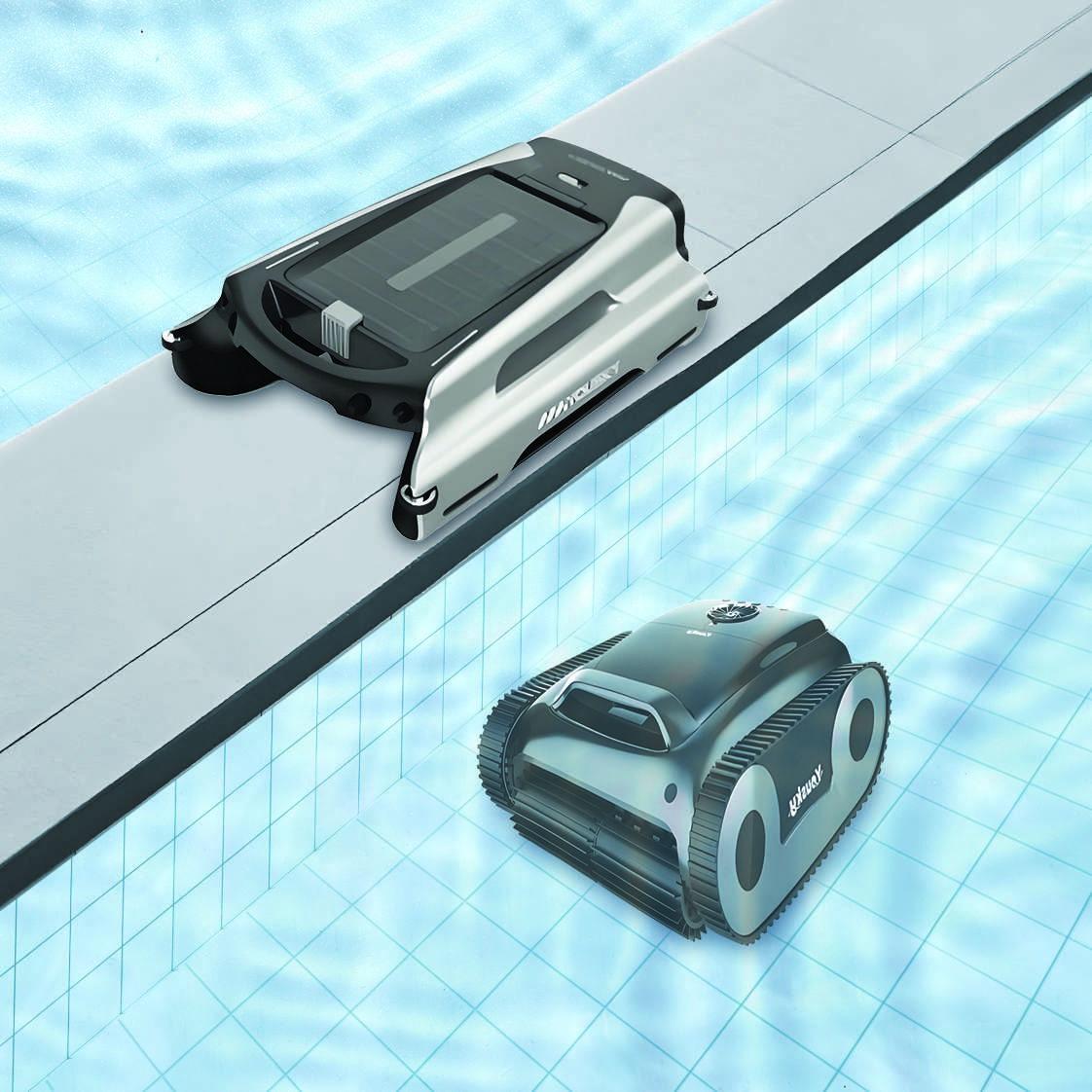


 Swedish
  English
  French
  Italian
  German
  Spanish
  Polish
  Danish
  Indonesian
  Russian
  Turkish
  Portuguese