
There’s a special kind of comfort that comes from lounging in a bubbelpool. But do hot tubs offer any health perks beyond just unwinding? Integrative medicine physician Irina Todorov, MD, weighs in on the science behind hot tubbing and health.
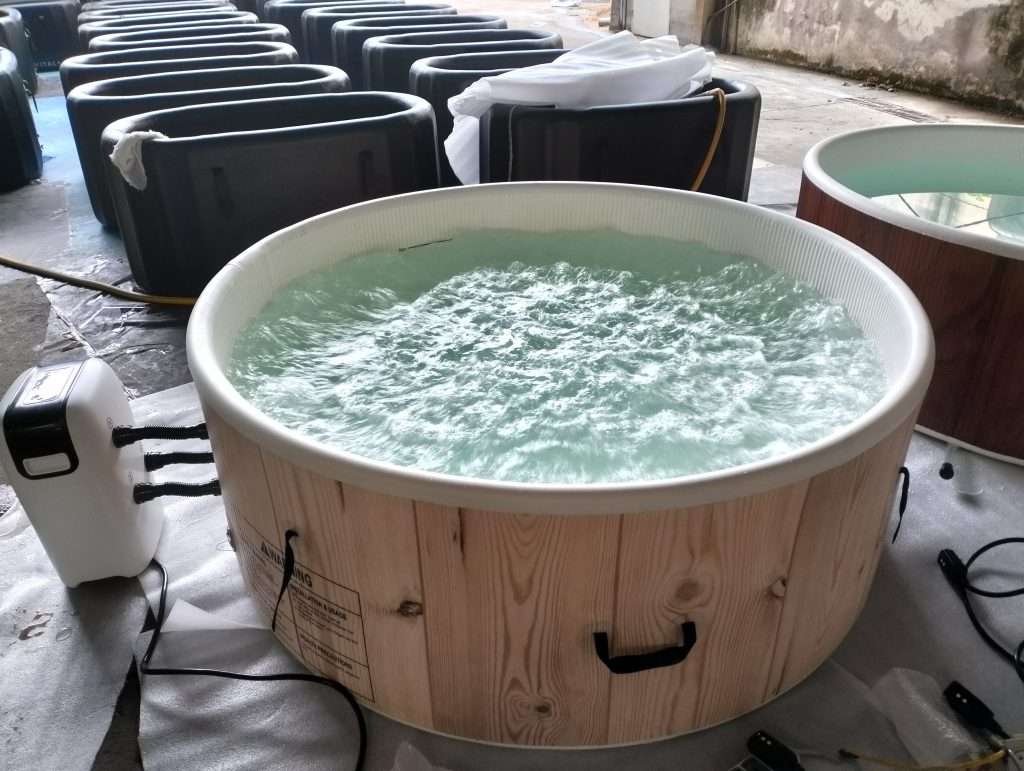
The Health Perks of Hot Tubs
- Stressavlastning
Hot water immersion can be a surprising way to chill out. Research has shown that soaking in hot water might ease stress and lessen symptoms of depression.
“Hot baths or hot tubs can calm your nervous system and lift your spirits,” says Dr. Todorov. “Studies have found that people who choose hot baths over showers tend to report feeling less stressed.”
While hot tubbing won’t cure mental health issues, it’s a guilt-free way to take some time for yourself and relax.
- Muscle Pain Relief
A quick dip in a hot tub can be a game-changer for muscle pain. The benefits for sore, tired muscles are:
- Heat boosts blood flow and helps relax tense muscles.
- Buoyancy in water takes pressure off joints.
- Immersion in water may help prevent muscle damage from exercise.
“Hot water can be a natural remedy for achy muscles and tense backs, offering an alternative to over-the-counter pain relievers for mild to moderate muscle pain,” explains Dr. Todorov.
However, it’s best to limit your soak to no more than 15 minutes, as longer exposure could lead to excessive blood flow and potential swelling.
- Heart Health
Regular bubbelpool use or hot baths might give your heart a boost. One study showed that frequent hot baths were linked to a lower risk of cardiovascular disease.
“While a hot tub isn’t a substitute for a heart-healthy diet and regular exercise, it can be a beneficial addition to these practices,” notes Dr. Todorov.
If you have any health conditions, it’s crucial to talk to your healthcare provider before using a hot tub.
“Heat from a hot tub can increase your heart rate and put stress on your heart, which can be risky for people with heart disease,” she adds.
- Blood Pressure Reduction
“Soaking in hot water causes your blood vessels to expand, which can temporarily lower your blood pressure,” explains Dr. Todorov. “This can help you relax, but the effect is short-lived. Your blood pressure returns to normal shortly after you exit the tub.”
However, if you already have low blood pressure (hypotension), hot water immersion could be too intense.
“Individuals with low blood pressure should avoid soaking in water much hotter than body temperature, as it could lead to dangerously low blood pressure levels,” cautions Dr. Todorov.
On the other hand, if you have high blood pressure (hypertension), hot tubs are generally safe and may be beneficial.
“Most people with mild hypertension can safely use a hot tub, but it can’t replace medical treatment or blood pressure medications,” she notes.
- Improved Sleep
If you have trouble falling asleep at night, a hot tub session could be a game-changer. The muscle-relaxing and mood-boosting effects of hot water can prepare your body for sleep. Additionally, the change in body temperature signals to your body that it’s time to rest.
Your body temperature naturally fluctuates throughout the day and typically drops when you’re ready to sleep. So, heating up in a hot tub—and then cooling off—can encourage the natural drop in temperature that precedes sleep.
“This change in temperature can promote better sleep quality,” says Dr. Todorov.
However, it’s important not to wait until bedtime to use the hot tub.
“Give your body time to cool down, or you won’t feel tired. Aim to get out of the tub about 90 minutes before you plan to sleep,” she adds.
Is Daily Hot Tub Use OK?
Many people enjoy the benefits of regular hot tub use and can safely do it every day if they choose. However, pregnant women should avoid hot tubs and hot baths, as higher body temperatures can harm a developing fetus, especially in the first trimester. You should also avoid hot tubs if you have:
- Impairment from alcohol or substances that could hinder your awareness.
- Epilepsy or another seizure disorder unless you have a trusted adult partner with you.
- Low blood pressure.
- Open cuts or sores.
- Tips for Safe Hot Tub Use
Some hot tubs can harbor germs. Only use hot tubs that are regularly cleaned and maintained with the proper chemical levels. To ensure a safe and healthy hot tub experience:
- Keep the water temperature below 104 degrees Fahrenheit (40 degrees Celsius). If unsure, check the temperature with a thermometer or your finger. Enter slowly to avoid burns or shocking your body.
- Exit the tub if you feel too hot, dizzy, or get a headache, as these could be signs of dehydration or low blood pressure.
- Install barriers like locking gates around home hot tubs. Use a latching cover to keep it clean and child-safe.
- Limit your soak to 15 minutes or less to avoid worsening muscle pain.
If you’re in good health, feel free to enjoy a hot soak. But remember that the health benefits are a bonus and not a replacement for medical care.
“A hot tub can feel great, but it won’t solve any health problems,” says Dr. Todorov. “If you start to feel unwell or just don’t like the heat, it’s a sign you should get out.”






 Swedish
  English
  French
  Italian
  German
  Spanish
  Polish
  Danish
  Indonesian
  Russian
  Turkish
  Portuguese