
Soaking in History: The Evolution of the Bathtub and the Rise of Inflatable Pools
The history of the bathtub is a fascinating journey through time, shaped by innovation, cultural shifts, and advancements in hygiene and comfort. From the ancient civilizations that first embraced communal bathing to the modern portable and inflatable pools that bring convenience and relaxation to homes, the evolution of bathing has continuously adapted to human needs.
The Origins of the Bathtub
1st Millennium BCE: Communal Bathing in Ancient Civilizations
The practice of bathing for hygiene and relaxation dates back thousands of years. Ancient Egyptians, Greeks, and Romans all placed significant importance on bathing. These civilizations built large communal bathhouses equipped with pools and basins for personal hygiene, socialization, and even religious rituals. The Romans, in particular, were known for their elaborate bathhouses, which featured heated floors, steam rooms, and flowing water systems.
4th Century CE: The First Bathtub
One of the earliest known bathtubs was discovered in the ruins of Pompeii, an ancient Roman city destroyed by Mount Vesuvius. This marble tub resembled the bathing vessels we recognize today, marking an important milestone in the transition from communal pools to private bathing spaces.
The Rise of the Modern Bathtub
18th Century: The Birth of the Private Bathtub
During the 18th century, bathing practices began to shift from communal spaces to private households. Wealthy European families introduced copper and tin-lined wooden tubs, which were often portable and placed in bedrooms rather than dedicated bathrooms. The concept of a personal bathtub started to gain popularity, though access remained limited to the upper class.
Late 18th Century: The Introduction of Porcelain Bathtubs
As advancements in materials and production techniques emerged, porcelain bathtubs were introduced. Though still considered a luxury, these durable and aesthetically pleasing tubs paved the way for the modern bathroom designs we know today.
Industrial Revolution and Mass Production
19th Century: Plumbing Innovations and Freestanding Bathtubs
The 19th century saw significant improvements in sanitation and plumbing, making water more accessible in households. This era also marked the introduction of cast-iron bathtubs, valued for their durability and strength. Manufacturers began producing the iconic clawfoot tub, which became a symbol of elegance and comfort.
Late 19th to Early 20th Century: Built-in Bathtubs Become the Norm
With the rise of mass production techniques, bathtubs became more affordable and accessible to the general public. Built-in tubs, made from enameled cast iron or porcelain-coated steel, became increasingly common in middle-class homes. These tubs were designed for functionality and were often integrated into tiled bathrooms.
The Modern Bathtub and the Expansion of Water Leisure
Mid-20th Century: The Introduction of Lightweight Materials
By the mid-20th century, acrylic bathtubs were introduced, providing a lightweight and cost-effective alternative to cast iron. These tubs were easier to install and maintain, making them popular choices for modern homes. At the same time, innovations in water heating and plumbing made bathing more convenient and comfortable.
Late 20th Century to Present: The Evolution of Luxury and Convenience
In recent decades, bathtub designs have continued to evolve, incorporating advanced features such as whirlpool jets, ergonomic shapes, and customizable materials like fiberglass and stone. The resurgence of freestanding tubs has brought a touch of luxury to modern bathrooms, emphasizing both aesthetics and functionality.
The Emergence of Portable and Inflatable Pools
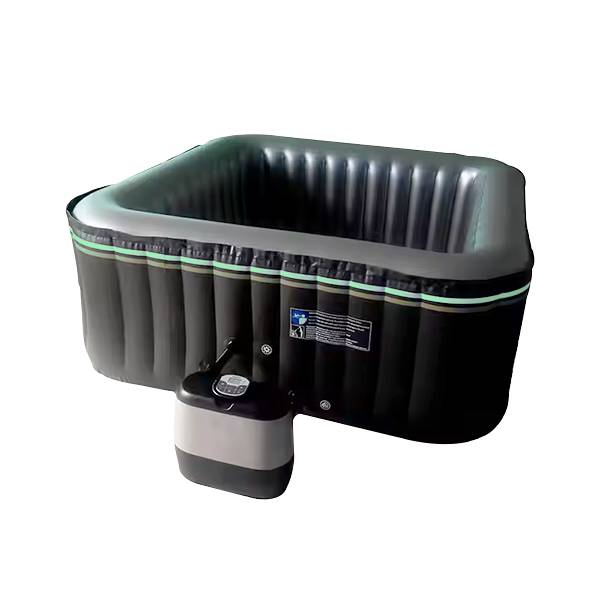
While traditional bathtubs have continued to advance, a parallel trend has emerged: the growing popularity of portable and inflatable pools. These pools provide a convenient and cost-effective alternative to permanent installations, allowing people to enjoy water-based relaxation and recreation without the need for extensive remodeling.
The Benefits of Inflatable Pools
Inflatable pools have become a favorite among homeowners due to their affordability, ease of setup, and versatility. Unlike traditional bathtubs, these pools can be used outdoors, providing an excellent way to cool off during hot summers. They also come in various sizes, making them suitable for both children and adults.
How Yousky® is Revolutionizing Portable Pools
At Yousky®, we are dedicated to providing high-quality inflatable pools that combine durability, performance, and convenience. Our pools are designed with premium materials that ensure long-lasting use, resisting punctures and wear. Whether for families, fitness enthusiasts, or individuals seeking relaxation, our inflatable pools offer an accessible solution for water-based leisure.
A Look to the Future
As technology and consumer preferences continue to evolve, we anticipate even greater advancements in both bathtubs and inflatable pools. Features such as smart temperature control, enhanced filtration systems, and sustainable materials will shape the future of water-based relaxation. Yousky® remains committed to innovation, continuously improving our designs to meet the diverse needs of our customers.
Conclusion
From ancient communal baths to modern freestanding tubs and inflatable pools, the concept of bathing and water-based relaxation has come a long way. The shift towards convenient and adaptable solutions, such as portable pools, reflects a growing desire for flexibility and accessibility. As a leading manufacturer of high-quality inflatable pools, Yousky® is proud to be part of this ongoing evolution, bringing the joy of water relaxation to homes around the world.
For more information on our products, visit youskydirect.com.







 English
  French
  Italian
  German
  Spanish
  Polish
  Danish
  Indonesian
  Swedish
  Russian
  Turkish
  Portuguese