
When people think of a swimming pool, they often imagine relaxation, family fun, or an oasis of wellness. What they don’t picture is the effort required to keep that pool sparkling clean. Traditionally, maintaining a pool has meant scrubbing, vacuuming, and manually removing debris—an ongoing task that can feel never-ending.
This is where pool cleaner robots have entered the scene. Combining automation, advanced sensors, and energy efficiency, robotic pool cleaners are no longer a futuristic luxury; they are becoming mainstream solutions for both homeowners and commercial operators. Over the next decade, the global market for pool cleaner robots is expected to expand at double-digit growth rates, presenting a major opportunity for manufacturers, suppliers, and investors.
In this blog, we’ll take a closer look at the future outlook for pool cleaner robots, exploring market size, key growth drivers, challenges, and the trends shaping the next generation of automated cleaning systems.
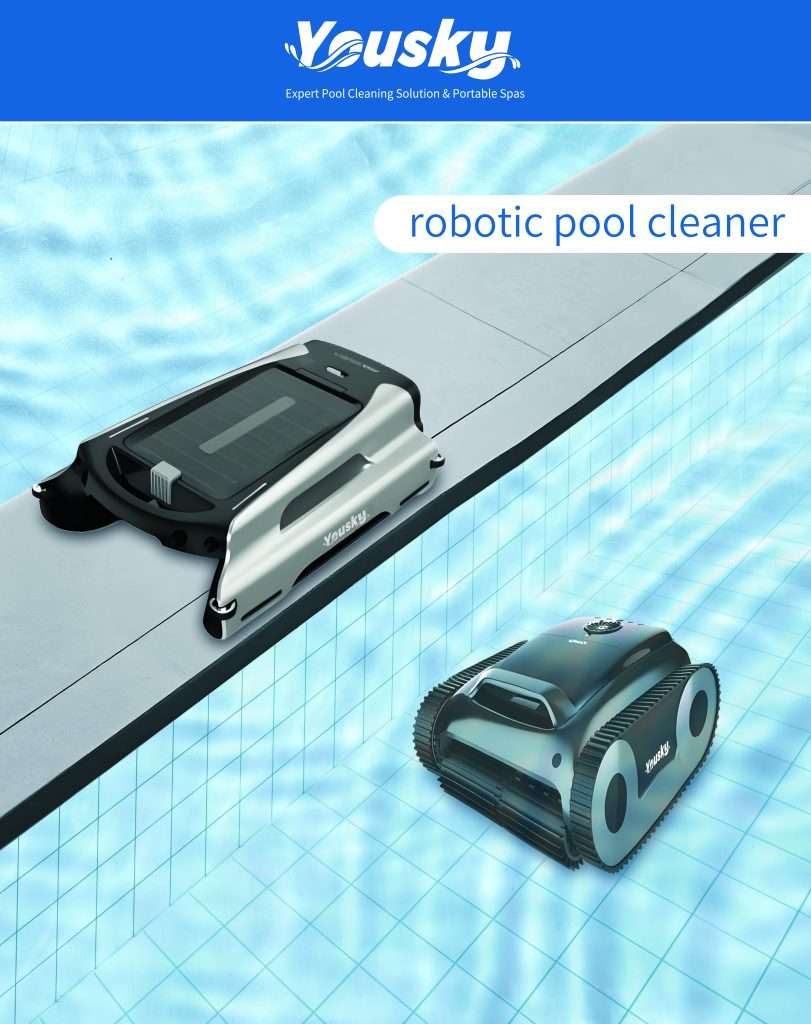
Global Market Growth at a Glance
Multiple independent research firms have studied the trajectory of the robotic pool cleaner market, and while the exact figures vary, the consensus is clear: the market is set for strong expansion.
- Fortune Business Insights estimates the global market will grow from around USD 2.01 billion in 2024 to USD 4.52 billion by 2032, at a CAGR of approximately 11%.
- Credence Research projects growth from USD 2.22 billion in 2024 to USD 5.06 billion in 2032, at a CAGR of nearly 11%.
- GM Insights is even more optimistic, forecasting the market will rise from USD 1.1 billion in 2024 to USD 6.9 billion by 2034, a remarkable 21.9% CAGR.
- Allied Market Research places the market at USD 740 million in 2020 and anticipates it will reach USD 2.48 billion by 2030, growing at 14% CAGR.
Taken together, these forecasts demonstrate not only strong momentum but also a long runway for innovation and adoption. In other words, the robotic pool cleaner market is still at a relatively early stage, with plenty of room for growth across both residential and commercial segments.
Why Demand Is Rising: Key Market Drivers
1. Lifestyle Shifts and Convenience
Homeowners and hospitality operators increasingly value convenience. The rise of the “smart home” ecosystem has set new expectations: chores should be automated, devices should be intelligent, and maintenance should take minimal effort. Robotic pool cleaners fit neatly into this lifestyle, offering hands-off cleaning that saves time and labor.
2. Hygiene and Environmental Awareness
Public health awareness and environmental concerns are influencing consumer choices. A clean pool is not only aesthetically pleasing but also essential for safety and hygiene. Advanced pool cleaner robots can capture algae, bacteria, and fine debris, reducing the need for excessive chemical treatments. By optimizing filtration and circulation, these devices also help conserve water and energy—appealing features in a world increasingly focused on sustainability.
3. Technology Advancements
The latest generation of pool robots features AI navigation, smart sensors, IoT connectivity, wireless operation, and improved batteries. These capabilities deliver better coverage, longer runtimes, and easier maintenance. For many buyers, these technological improvements justify the initial investment.
4. Declining Costs
As robotic technology matures and the cost of components like sensors and batteries falls, pool cleaner robots are becoming more affordable. What was once considered a luxury item is now entering the mid-range consumer market. This democratization of pricing is key to accelerating adoption.
5. Regulatory and Policy Factors
Energy efficiency standards and environmental regulations encourage pool owners to invest in eco-friendly solutions. Robotic cleaners use less energy and water compared to many traditional cleaning systems, aligning with these regulations while also reducing operational costs.
Market Challenges to Overcome
While the outlook is bright, manufacturers and suppliers must also acknowledge the barriers that could slow adoption.
- High Upfront Costs
Despite falling prices, robotic pool cleaners still represent a significant initial expense. For cost-sensitive markets, this remains a deterrent, especially when manual or semi-automatic alternatives are available at a fraction of the price. - Complex Pool Environments
Irregular pool shapes, steep walls, integrated steps, or unique finishes can challenge robotic systems. While AI navigation is improving, not all robots deliver consistent performance across diverse environments. - Battery and Power Limitations
Cordless robots are more convenient, but battery life and durability are critical concerns. Frequent recharging or battery replacement can frustrate users and raise ownership costs. - Maintenance Requirements
Like any piece of equipment, robotic cleaners require care. Brushes wear down, filters clog, and seals degrade. If reliability is poor, negative customer experiences can spread quickly in online reviews, undermining trust in the category. - Market Competition
Traditional suction-side and pressure-side cleaners remain popular due to their lower price points. In addition, the entry of new low-cost robotic models could lead to a “race to the bottom,” eroding brand reputation if quality is sacrificed.
Future Trends and Opportunities
Looking ahead, several exciting trends are set to reshape the pool cleaner robot industry. Companies that capitalize on these will likely lead the next phase of growth.
1. Smarter Navigation Through AI
Artificial intelligence is transforming how pool robots operate. Instead of random cleaning patterns, advanced models now build digital maps of pool surfaces, optimize cleaning routes, and adapt to obstacles in real time. This not only improves efficiency but also extends battery life.
2. Cordless Freedom and Better Batteries
Wireless operation is a game-changer for users tired of dealing with long cords. Advances in lithium-ion technology promise longer runtimes, faster charging, and more durable batteries. Some future models may even feature self-docking charging stations, much like robotic vacuum cleaners.
3. Multi-Function Integration
The next generation of pool robots may combine cleaning with water quality monitoring, chemical dispensing, and real-time diagnostics. Such multifunctionality would transform the robot into a comprehensive pool management system.
4. IoT and Smart Home Ecosystem
Integration with voice assistants (e.g., Alexa, Google Home) and mobile apps is already underway. In the future, owners may remotely schedule cleanings, receive maintenance alerts, and track water quality through connected platforms.
5. Eco-Friendly Materials and Design
Sustainability will be a powerful differentiator. Manufacturers that prioritize recyclable materials, low-energy designs, and reduced chemical usage will gain traction in markets where eco-conscious buyers dominate.
6. Expansion in Commercial Applications
Hotels, resorts, gyms, and public pools present enormous opportunities. These facilities require frequent cleaning, and robotic systems can reduce labor costs while ensuring consistent results. Durable, industrial-grade robots will likely become a major growth driver.
7. Growth in Emerging Markets
While North America and Europe are currently the largest markets, regions such as Asia-Pacific, Latin America, and the Middle East are catching up quickly. As disposable incomes rise and private pool ownership grows, demand for automated cleaning solutions is set to surge in these regions.
Risks and Considerations
Despite the opportunities, companies must remain vigilant about potential risks:
- Quality Control: Subpar products can quickly erode consumer trust in an emerging market.
- Battery Safety: Waterproofing and electrical safety are non-negotiable, particularly as devices rely on high-capacity batteries.
- Counterfeit Products: Cheaper, low-quality knockoffs can damage market reputation. Strong brand differentiation and after-sales support will be critical.
- Regional Regulations: Compliance with electrical and environmental standards varies across markets and can affect product acceptance.
Strategic Insights for Stakeholders
For businesses in the robotic pool cleaner industry—whether manufacturers, distributors, or investors—the following strategies will be vital:
- Balance Cost and Performance
Delivering mid-tier models that combine affordability with reliable cleaning will capture the broadest share of the residential market. - Invest in AI and Automation
Smart features are no longer optional. Navigation, self-diagnostics, and automated docking are becoming standard expectations. - Focus on Durability and After-Sales Support
Building customer trust requires reliable hardware and accessible service networks. Long warranties and robust customer care can become brand differentiators. - Leverage Commercial Channels
Hotels, resorts, and sports facilities represent steady, high-volume demand. Tailoring product lines to commercial applications can diversify revenue streams. - Localize for Emerging Markets
Products designed to withstand regional conditions (such as strong sunlight, high humidity, or saline water) will be more competitive. Pricing strategies should also reflect local purchasing power.
Conclusion: A Market with Waves of Opportunity
The robotic pool cleaner industry stands at a fascinating inflection point. With rapid advances in AI, smart home integration, and energy efficiency, these devices are set to redefine pool maintenance for millions of homeowners and businesses worldwide.
Strong market growth projections, coupled with consumer demand for convenience and sustainability, signal that robotic pool cleaners are far more than a niche product—they are on their way to becoming the standard in pool maintenance.
For companies ready to innovate, invest, and expand globally, the coming decade represents a golden opportunity to ride the wave of automation and transform the pool industry one robot at a time.




 English
  French
  Italian
  German
  Spanish
  Polish
  Danish
  Indonesian
  Swedish
  Russian
  Turkish
  Portuguese