
As summer fades and cooler weather moves in, your pool enters a quieter season—one that still requires regular attention. Fall and winter bring new challenges such as falling leaves, temperature drops, and changes in water chemistry. Neglecting these months can lead to costly repairs and murky water when spring returns. But with a few smart steps, your pool will stay protected and ready to reopen effortlessly once warm weather arrives.
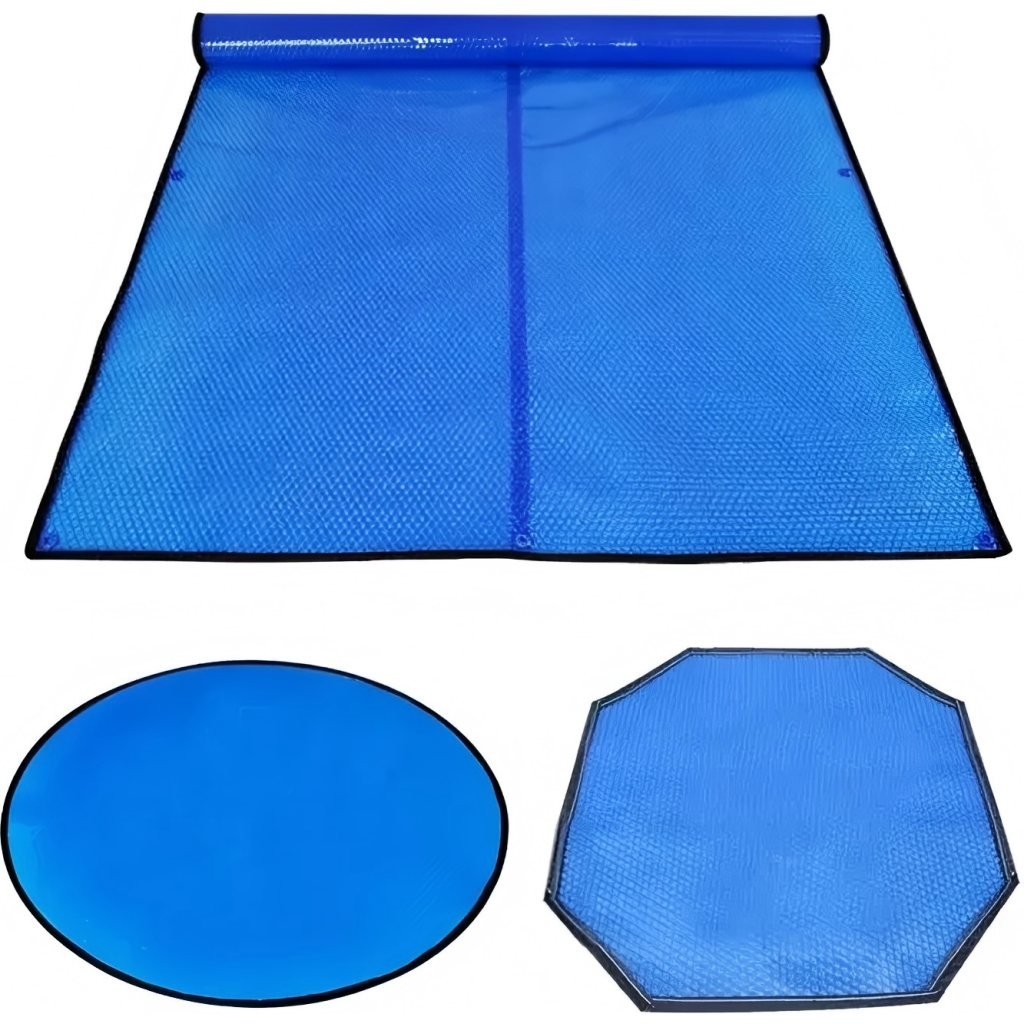
- Defending Against Leaves and Debris
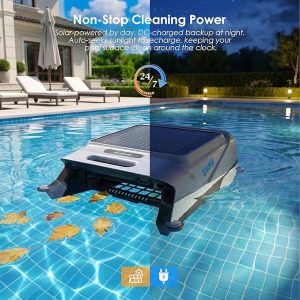
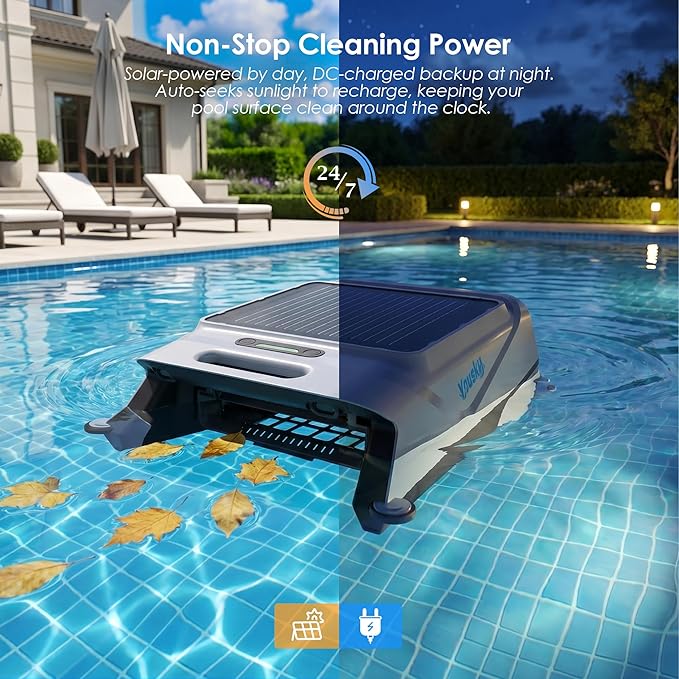
Autumn leaves may look beautiful, but once they hit your pool, they become a nuisance. When leaves sink, they decompose into organic matter that feeds algae, clogs filters, and disrupts water balance. The secret is to stay ahead of the debris before it builds up.
DIY Tips:
- Skim your pool early in the day before debris sinks.
- Trim overhanging branches within about 15 feet of the pool.
- Use a leaf net or windscreen during peak fall weeks.
These small efforts dramatically reduce the amount of organic waste entering your pool—meaning less strain on your filtration system and fewer chemicals needed to maintain clear water.
- System Checkup and Protection
Your pool’s circulation system—the filter, pump, and plumbing—is the “heart” of your pool. If it’s not working properly, you’ll waste energy, water, and chemicals, and risk breakdowns when you least expect them. Fall is the perfect time to make sure your system is healthy enough to survive winter and start strong in spring.
Professional Maintenance Checklist:
These are best handled by a pool technician:
- Inspect filter media and pump impeller for wear. Over time, filter sand becomes rounded, cartridges clog, and diatomaceous earth (DE) loses efficiency. A professional can determine when these parts need replacement.
- Pressure-test plumbing lines. Detecting leaks early prevents freeze damage and saves major repair costs later.
DIY Maintenance Steps:
These simple tasks help extend the life of your system:
- Clean or replace filter elements. A clean filter ensures smooth water circulation.
- Check and lubricate O-rings and gaskets. These small seals prevent leaks and air intrusion.
- Empty the pump basket regularly. Keeping it clear prevents overheating and strain on the motor.
By combining professional inspection with consistent DIY upkeep, you’ll protect your pool’s system through the cold months and avoid unpleasant surprises when reopening.
- Smart Heating and Water Balance
Extending your swimming season can be tempting, but heating costs rise quickly in cooler weather. Balance comfort with efficiency to enjoy the water without overspending.
Energy-Saving Tips:
- Lower your heater temperature by 3–5°F to save up to 25% in energy costs.
- Use solar covers or thermal rings to retain heat.
- Heat your pool only when you plan to swim, not continuously.
Meanwhile, maintaining proper water chemistry is essential for winter care. Unbalanced water in the fall can lead to cloudy or algae-filled water by spring. Test your water regularly for pH, alkalinity, and calcium hardness, and make precise adjustments to keep everything within the ideal range.
- The 60-Degree Rule: Timing Your Pool Closing
When to close your pool is just as important as how. Many owners rush to cover their pools after the first cool night—but closing too early or too late can both cause problems.
- Close too early, and leftover warmth allows algae to bloom under the cover.
- Close too late, and freezing weather may damage unprotected plumbing.
The best time to close your pool is when the water temperature stays consistently below 60°F. At that point, algae activity slows down but the system is still safe from freezing. Prepare your closing supplies in advance so you can act quickly when the timing is right.
- DIY vs. Professional Care
Knowing which tasks you can handle yourself—and which should be left to the pros—saves both money and stress.
You Can Handle Yourself:
- Daily skimming and brushing.
- Checking and balancing water chemistry.
- Cleaning filters and emptying baskets.
- Covering the pool and managing debris.
Leave to Professionals:
- Pressure-testing plumbing lines.
- Handling metal sequestrants and winterizing chemicals.
- Installing freeze-protection systems or specialized covers.
By combining your regular maintenance with periodic professional support, you’ll achieve the perfect balance between cost efficiency and long-term pool protection.
- Embracing the Seasonal Transition
Fall and winter pool care is more than just maintenance—it’s an investment in effortless spring enjoyment and the long-term health of your pool. By understanding seasonal challenges and taking proactive steps, you ensure your outdoor retreat remains a clean, inviting, and stress-free space year-round.
The goal isn’t perfection—it’s consistency. Clean water, protected equipment, and a well-balanced system are the foundation for a seamless pool season. When spring arrives and you remove that cover to find sparkling water and well-running equipment, you’ll know your effort during the quieter months truly paid off.




 Turkish
 English
 French
 Italian
 German
 Spanish
 Polish
 Danish
 Indonesian
 Swedish
 Russian
 Portuguese