
Inflatable hot tubs have become a popular option for people who want the relaxation benefits of a spa without the cost or commitment of a permanent installation. But are they really worth it? How long do they last? And what does it take to keep one clean? In this guide, we break down the practical aspects of owning an inflatable hot tub—without any sales pitch.
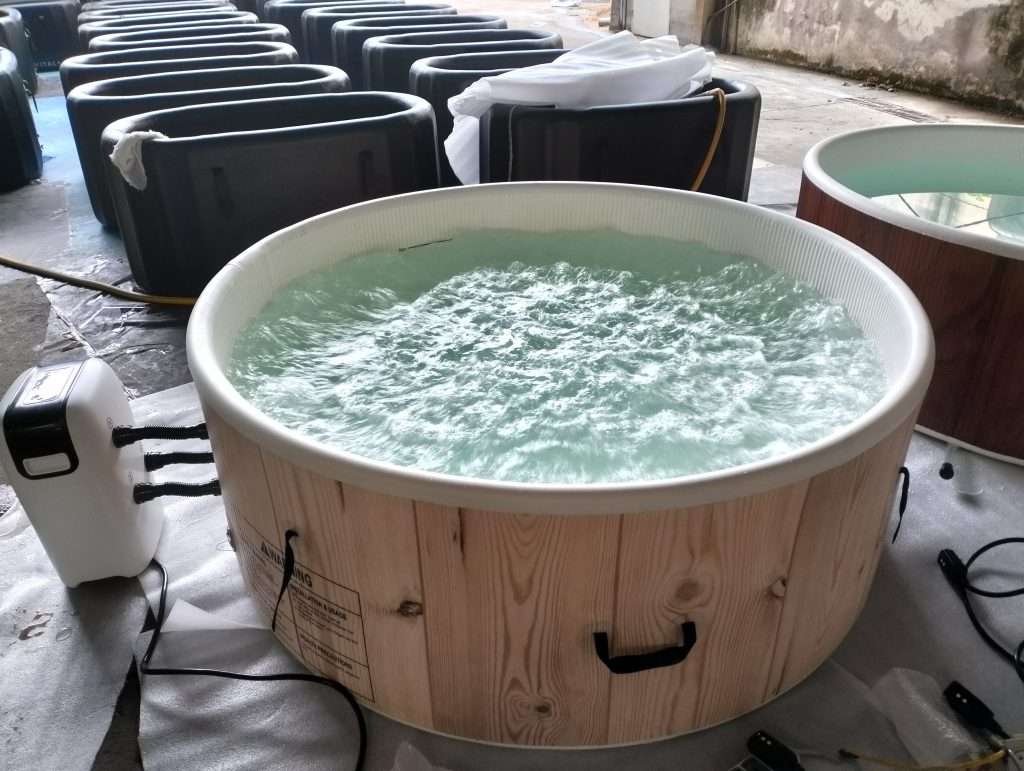
Are Şişme Jakuziler Worth It?
Whether an inflatable hot tub is “worth it” depends entirely on what you’re looking for. If you want a portable, budget-friendly way to enjoy warm water hydrotherapy, inflatable tubs can be a reasonable choice. They are relatively easy to set up, take down, and store. However, they also come with some trade-offs:
Pros:
- Lower upfront cost compared to traditional hot tubs
- No need for permanent installation or plumbing
- Portable and easy to store
- Quick to set up and inflate
Cons:
- Less durable than hard-shell tubs
- Slower heating and limited insulation
- Fewer features (e.g., no built-in seating or advanced jets)
- Not ideal for winter use in very cold climates
For renters or those who want a temporary solution, inflatable hot tubs can serve their purpose well. For long-term use or colder climates, permanent options might be more practical.
Do Şişme Jakuziler Naturally Lose Air?
Yes, inflatable hot tubs can slowly lose air over time. This is generally due to:
- Natural material stretch during the first few uses
- Temperature fluctuations that affect air pressure
- Minor leaks or unsealed valves
This doesn’t always indicate damage. Regularly checking air levels and topping them off every week or two is usually part of basic maintenance. If there is significant deflation, it’s best to inspect for slow leaks with soapy water or check the inflation valve for tightness.
How to Clean an Inflatable Hot Tub
Keeping an inflatable hot tub clean is key to ensuring water hygiene and prolonging the life of the tub itself. Here’s a basic cleaning routine:
1. Regular Water Treatment:
- Use a test strip to monitor chlorine or bromine levels, pH, and alkalinity.
- Shock the water weekly to eliminate organic contaminants.
- Replace the water every 3–6 weeks, depending on usage.
2. Filter Maintenance:
- Rinse the filter with clean water every few days.
- Replace the filter every 2–4 weeks for optimal performance.
3. Cleaning the Tub:
- Wipe down the interior with a non-abrasive cloth or sponge.
- Use a mild soap solution or dedicated spa cleaner.
- Always rinse thoroughly before refilling to avoid soap residue.
4. Exterior Care:
- Store the cover properly and clean it periodically to prevent mildew.
- Avoid placing the tub on sharp or abrasive surfaces.
How Long Do Inflatable Hot Tubs Last?
The average lifespan of an inflatable hot tub is about 2 to 5 years, depending on how well it’s maintained and how frequently it’s used. Factors affecting longevity include:
- Exposure to sunlight and extreme weather
- Water and chemical balance
- Frequency of inflation and deflation
- Quality of materials and construction
While they’re not designed to last as long as permanent hot tubs, proper care can significantly extend their usability.
What Is the Best Inflatable Hot Tub?
There’s no universal answer to this since “best” depends on your needs. Instead of naming brands, here are some practical features to consider when choosing one:
- Kapasite: 2-person tubs are cozy and quick to heat; 4- to 6-person tubs offer more space but require more time and energy.
- Insulation: Look for models with insulated covers and ground mats to improve heat retention.
- Jet Type: Bubble jets offer a relaxing experience, though less powerful than directional water jets in built-in spas.
- Control Panel: Easy-to-use digital controls with timers can make daily operation more convenient.
- Portability: Consider weight when empty, and whether the tub is easy to deflate and store.
Inflatable hot tubs are a practical choice for certain lifestyles—especially if you want an affordable, flexible way to unwind in warm water. They’re not maintenance-free, and they won’t last forever, but with proper care, they can provide several seasons of enjoyment. As with any product, the key is knowing your priorities: convenience, budget, portability, and ease of use versus durability and long-term features.




 Turkish
  English
  French
  Italian
  German
  Spanish
  Polish
  Danish
  Indonesian
  Swedish
  Russian
  Portuguese