
A pristine aquatic retreat is the ultimate backyard luxury, but accumulating plant matter can quickly ruin this peaceful vision. While autumn’s colorful leaves might inspire poets, submerged foliage creates a host of problems for pool owners. Let’s look at the hidden consequences of organic debris and why proactive prevention is so important.

1. Compromised Visual Appeal
Neglected surface debris quickly degrades water quality. As submerged vegetation decomposes, it releases pigments and oily substances into the water. This process gradually turns clear water into a murky mess, reducing visibility and spoiling the pool’s aesthetic appeal. Swimmers lose interest in diving into water that looks like diluted tea instead of inviting blue waters.
2. Mechanical System Overload
Modern circulation systems struggle when dealing with leaf debris. Unlike tiny particles, leaves can:
• Wedge into intake vents and block them;
• Form dense mats that clog filters;
• Jam moving parts in pumps.
This interference leads to multiple issues, from reduced efficiency to complete pump failure. Technicians often find that chronic debris exposure leads to premature wear and higher repair costs.
3. Microbial Party Central
Organic debris creates the perfect conditions for microbial growth. The nutrients released during decomposition fuel the growth of:
• Algae colonies;
• Harmful bacteria;
• Fungal networks.
These organisms can turn your pool into a health hazard, with green blooms and slimy surfaces indicating an imbalance. Vulnerable individuals may suffer skin or respiratory issues from prolonged exposure.
4. Chemical Warfare Escalation
Sanitation systems work overtime to combat these biological invaders. Chlorine and other chemicals constantly battle:
• Organic contaminants;
• Microorganisms;
• Decomposition byproducts.
This intense effort depletes chemical supplies quickly, forcing owners to buy sanitizers more often and struggle to maintain the right pH balance. Additional costs come from needing extra algaecides and clarifiers to restore water quality.
5. Labor-Intensive Remediation
Surface skimming is just the tip of the iceberg. The real work comes from:
• Vacuuming bottom debris;
• Deep-cleaning filters;
• Draining and refreshing the pool periodically.
These time-consuming tasks often require professional help, especially when neglected debris leads to system contamination. Many pool owners find their leisure time consumed by unexpected maintenance.
Strategic Prevention Framework
To reduce plant debris intrusion, consider these steps:
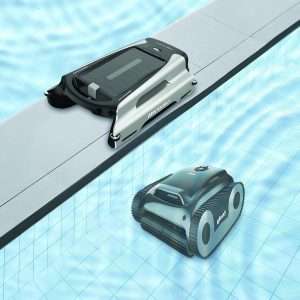
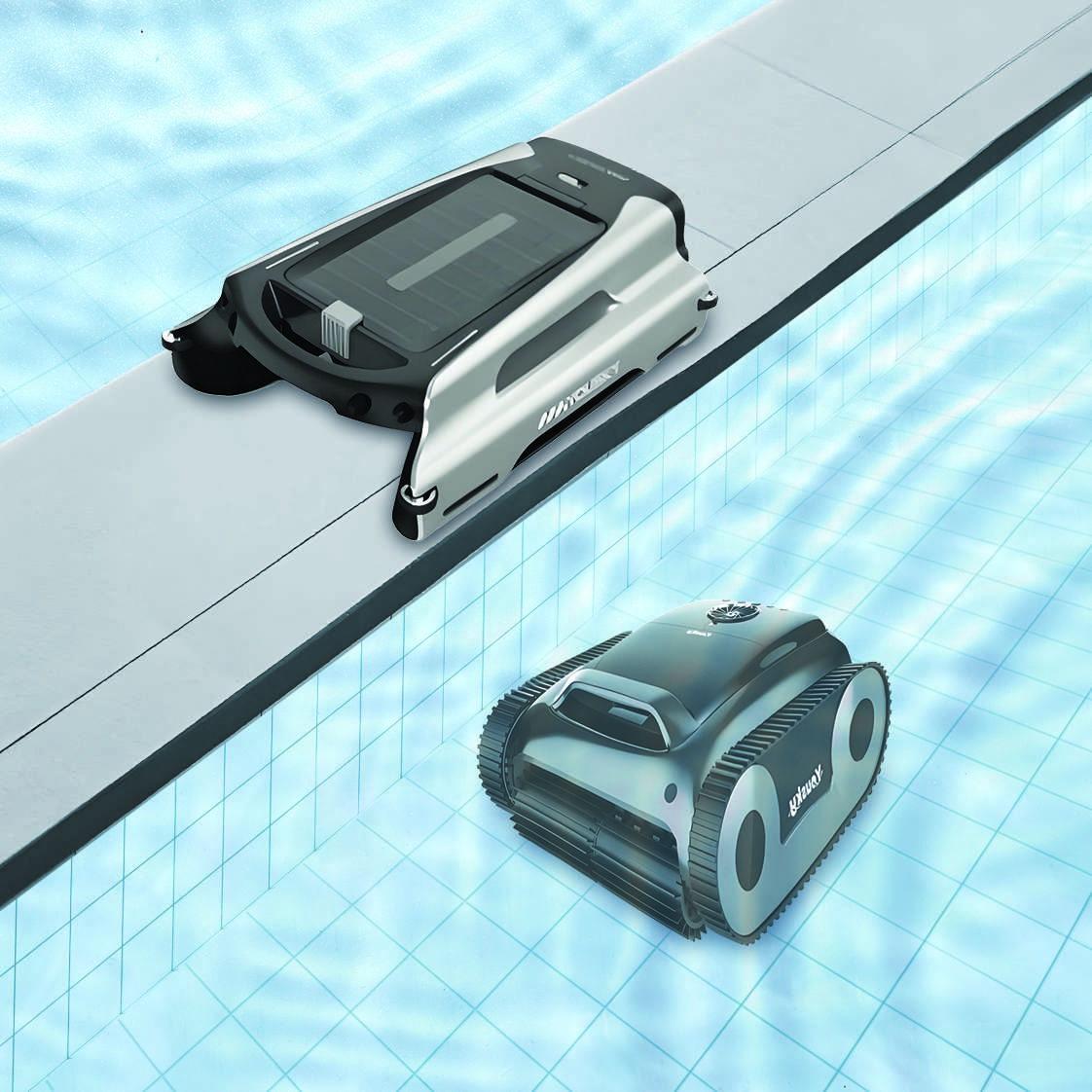
• Install automated surface skimmers for continuous debris removal.
• Use seasonal pool covers during peak leaf fall.
• Keep surrounding vegetation trimmed.
• Create windbreaks with decorative landscaping.
By staying vigilant and investing in protective measures, you can keep your pool functional and minimize costs. The payoff includes longer-lasting equipment, lower chemical bills, and more time to enjoy your pool instead of constantly maintaining it.
Regular observation and prompt debris removal are key to effective pool management.
When leaves start to fall, proactive intervention can preserve both your peace of mind and your pool’s sparkling allure.




 Turkish
  English
  French
  Italian
  German
  Spanish
  Polish
  Danish
  Indonesian
  Swedish
  Russian
  Portuguese