
In today’s fast-paced world, cleaning technology has undergone a remarkable transformation. From the earliest rudimentary tools to the sophisticated systems we have now, this evolution reflects our continuous pursuit of efficiency, effectiveness, and sustainability.

The Dawn of Cleaning: Traditional Methods
At the beginning of human civilization, cleaning was a laborious task carried out with simple tools. Brushes made from animal bristles, cloth rags, and basic soaps composed of animal fats and ashes were the primary cleaning instruments. These methods were time-consuming and required significant physical effort. For instance, washing clothes involved scrubbing them against rocks or using wooden bats to beat out dirt. Floor cleaning was done by hand with rags, and dusting was a manual process using feather dusters. Despite their simplicity, these methods were effective for the basic cleaning needs of the time. However, as societies developed and became more complex, the limitations of traditional cleaning methods became apparent, paving the way for innovation.
The Industrial Revolution: A Turning Point
The Industrial Revolution brought about significant changes in the cleaning industry. The invention of the vacuum cleaner in the late 19th and early 20th centuries was a groundbreaking development. Early vacuum cleaners used simple suction principles, with motors powering fans to create airflow that drew dirt into a collection bag. This revolutionized floor cleaning, reducing the time and effort required to remove dust and debris.
Similarly, advancements in chemical manufacturing led to the production of more effective cleaning agents. Synthetic detergents replaced traditional soaps, offering better cleaning performance and compatibility with different water types. These innovations marked a shift towards more efficient and specialized cleaning tools.
The Rise of Pool Cleaning: From Manual Tools to Automation
The evolution of cleaning technology extended into the realm of swimming pools, which pose unique maintenance challenges due to water hygiene, debris, algae growth, and filtration needs.
In the early days, pool cleaning was entirely manual—pool owners used simple nets to skim leaves, long-handled brushes to scrub walls and floors, and handheld vacuum hoses connected to pool filters to clean the bottom. These methods were time-consuming, physically demanding, and required frequent attention.
As technology advanced, semi-automatic suction-side and pressure-side pool cleaners were introduced. These devices connected to a pool’s pump or return line, using water flow to propel themselves and collect debris. While less labor-intensive than manual tools, they still depended heavily on the pool’s filtration system.
The real leap came with the invention of robotic pool cleaners, which function independently from the pool’s circulation system. These smart devices are powered by electricity, equipped with sensors and motors, and can autonomously navigate the pool, climb walls, scrub surfaces, and trap debris in onboard filters. Many models now feature programmable schedules, remote control via smartphone apps, and energy-efficient operation.
The Electronic and Digital Age: Smart Cleaning Solutions
With the advent of electronics and digital technology, cleaning devices across all categories became smarter and more automated. Robotic vacuum cleaners could be scheduled to clean at specific times, navigate around obstacles, and return to their charging docks automatically. They utilized sensors and algorithms to map cleaning areas and optimize their paths.
For pool cleaning, smart automation has also become increasingly sophisticated. Robotic pool cleaners now feature gyroscopic navigation, AI-driven path optimization, and even cloud connectivity for remote diagnostics and performance monitoring. Some are equipped with multiple cleaning modes to tackle various types of debris and surfaces. Integration with smart home systems further enhances user convenience.
Meanwhile, commercial pool maintenance has also benefited from these advancements. Automated dosing systems, UV sanitation, and IoT-enabled filtration monitoring have all contributed to more precise and efficient pool upkeep.
The Focus on Sustainability: Eco-Friendly Innovations
In recent years, there has been a growing emphasis on sustainability in cleaning technology. This has led to the development of environmentally friendly cleaning products and methods. Eco-friendly cleaning agents made from plant-based ingredients and biodegradable components have gained popularity.
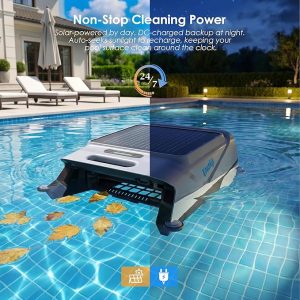
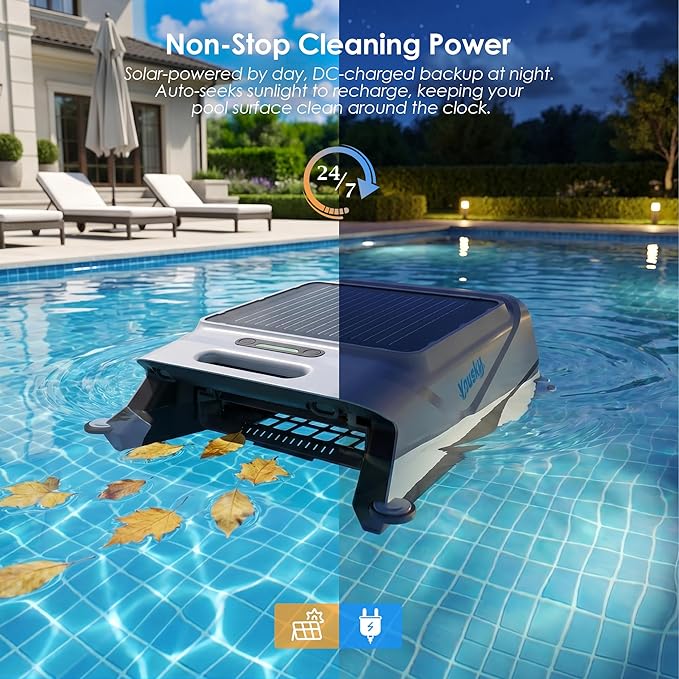
In the pool industry, this shift is evident in saltwater chlorination systems, solar-powered robotic cleaners, and energy-efficient pumps. These innovations reduce chemical use, minimize energy consumption, and extend equipment life. Additionally, robotic pool cleaners often consume less electricity compared to traditional booster-pump-based systems, making them a greener choice.
The Future of Cleaning Technology: What Lies Ahead
Looking towards the future, the cleaning technology landscape continues to evolve. Research and development are underway to create even more advanced and intelligent cleaning systems. Nanotechnology holds promise for developing self-cleaning surfaces that repel dirt and stains at a microscopic level.
For pools, AI-driven predictive maintenance, drone-based inspection systems, and fully autonomous cleaning stations are on the horizon. These technologies will allow pool owners and commercial operators to ensure optimal water quality and cleanliness with minimal human intervention.
Virtual reality and augmented reality may also play roles in training cleaning professionals and providing real-time guidance during complex cleaning tasks. As technology advances and environmental concerns persist, the cleaning industry will undoubtedly continue to innovate, offering solutions that meet the demands of an increasingly complex and eco-conscious world.
Conclusion
The journey of cleaning technology—from traditional methods to modern innovations—showcases our ongoing efforts to improve cleanliness and hygiene while minimizing environmental impact. The evolution of pool cleaning is a perfect example of how innovation can turn a once labor-intensive task into an efficient, automated process. As we look forward, the integration of cutting-edge technologies will further transform the cleaning landscape, making our lives more convenient and our world more sustainable.
-300x300.jpg)

.jpg)

 English
  French
  Italian
  German
  Spanish
  Polish
  Danish
  Indonesian
  Swedish
  Russian
  Turkish
  Portuguese