
Owning a pool comes with the responsibility of maintaining its cleanliness and ensuring that water quality is optimal for swimming. As pool owners, it’s essential to adopt practices that help save water, maintain cleanliness, and reduce the need for excessive chemicals. This blog aims to address how pool owners can efficiently use water resources, whether a pool cleaner alone is enough to maintain water quality, and some valuable advice for maintaining a healthy and sustainable pool environment.
How to Efficiently Use Water Resources for Pool Owners
Owning a pool can be both a luxurious experience and a significant responsibility when it comes to resource management. Water is a vital resource, and as climate change continues to impact water availability, it’s crucial for pool owners to implement sustainable practices.
1.1 Use a Pool Cover
One of the simplest and most effective ways to save water is by using a pool cover. When the pool is not in use, covering it prevents evaporation, which is a common cause of water loss in pools. A pool cover can save up to 30% of water loss caused by evaporation, especially in hot climates. Moreover, it helps keep debris out of the water, reducing the frequency of cleaning.
1.2 Maintain Proper Pool Level
Ensuring that the pool water is at the right level is essential for efficient water usage. When the water level is too high, it can lead to overflow and waste, whereas a too-low water level may cause the pool equipment to malfunction. Regularly check the water level and adjust it as necessary, especially after heavy rains or when topping up due to evaporation.
1.3 Regularly Check for Leaks
Leaks can lead to significant water wastage over time. Regularly inspect the pool and its equipment for any signs of leaks. Small cracks in the pool shell, leaks around the pump, or faulty pipes can slowly drain your pool, leading to unnecessary water consumption. Addressing leaks promptly helps conserve water and prevent more significant, costly repairs in the future.
1.4 Optimize Pool Water Circulation
Pool owners should also ensure that the pool’s circulation system is working efficiently. The pump, filter, and plumbing system should be properly maintained to ensure that water flows smoothly and is not wasted. Clean the pool filter regularly to maintain proper filtration, as a clogged filter reduces circulation efficiency, which could lead to water wastage. Additionally, ensure that the pool pump is the right size for your pool to minimize energy and water loss.
Is Water Quality Completely Clean After Using a Pool Cleaner? Do You Still Need Chlorine Tablets?
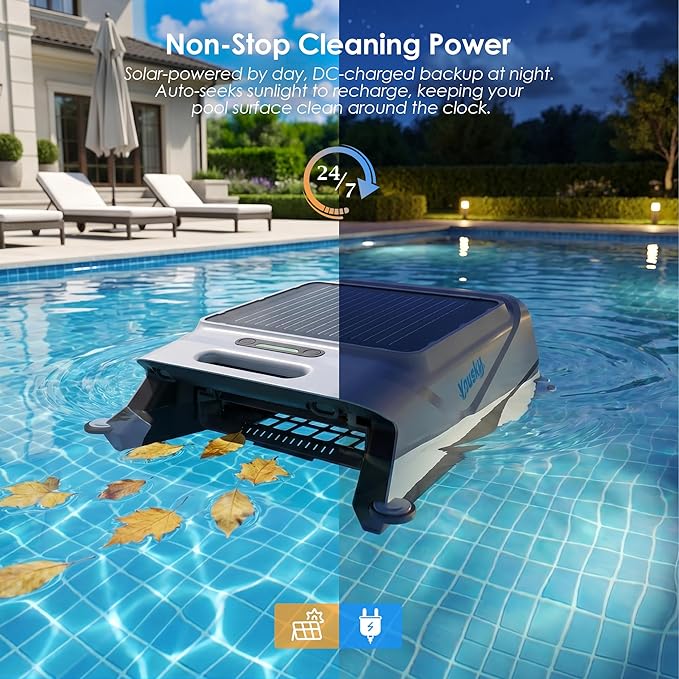
While robotic pool cleaners are highly effective at removing debris, dirt, and leaves from the pool, maintaining crystal-clear water goes beyond just cleaning. A robotic cleaner is an essential tool, but it does not replace the need for chemical treatments to ensure the pool’s water remains sanitary and free of harmful microorganisms.
2.1 Role of Pool Cleaners
Robotic pool cleaners excel at collecting large debris and dirt, and some models can scrub the pool surfaces and clean the walls. However, they do not have the capability to kill bacteria, viruses, or algae. Pool cleaners are primarily for physical cleaning, not chemical disinfection. Thus, while they are an excellent tool for keeping your pool tidy, they do not guarantee that the water will be free from all pathogens.
2.2 The Importance of Chlorine Tablets
Chlorine tablets are crucial for maintaining proper water sanitation. Chlorine acts as a disinfectant, killing bacteria, viruses, and other harmful microorganisms that may reside in your pool water. Without adequate chlorine levels, the pool water can become a breeding ground for algae and bacteria, potentially leading to skin infections or waterborne diseases.
In addition to chlorine tablets, pool owners may need other chemicals, such as pH balancers and algaecides, to maintain ideal water conditions. It’s important to regularly test the water’s chemical levels and adjust as necessary to ensure that the pool remains safe and clean for swimmers.
2.3 Balancing Pool Chemistry
When using robotic pool cleaners, it’s essential to complement their cleaning performance with proper pool chemistry maintenance. Regularly check the pool’s pH, chlorine, alkalinity, and calcium hardness levels to keep the water balanced. Unbalanced water can lead to issues such as cloudy water, scaling, and even corrosion of the pool surfaces and equipment. Regular testing and appropriate chemical adjustments should be part of any pool maintenance routine.
Essential Advice for Pool Owners
Owning a pool means taking responsibility for both its upkeep and the safety of those who use it. Here are some essential tips that every pool owner should follow to ensure their pool remains in top condition and water resources are used efficiently.
3.1 Regularly Inspect and Maintain Pool Equipment
Your pool’s equipment, including the pump, filter, and heater, should be inspected and maintained regularly to ensure that they are functioning efficiently. An inefficient pump can result in poor circulation, leading to water quality issues. In addition, make sure to replace worn-out parts, such as filters or O-rings, to avoid water wastage and prevent system failures.
3.2 Clean the Pool Regularly
While robotic cleaners can assist in the physical cleaning process, don’t forget to clean the pool manually as well. Skim the surface for floating debris, brush the walls and tiles to remove algae or buildup, and vacuum the pool floor to pick up any dirt or sand. Regular cleaning helps keep the pool in optimal condition and prevents clogs or damage to the filtration system.
3.3 Monitor Chemical Levels
Maintaining the proper balance of chemicals in your pool is essential for ensuring both water cleanliness and safety. Regularly test the water using test kits or a pool service to ensure that the pH, chlorine, alkalinity, and calcium hardness levels are within the recommended range. An unbalanced pool can lead to a variety of issues, from skin irritation to equipment damage.
3.4 Be Mindful of Pool Water Usage
As a pool owner, it’s essential to be conscious of the amount of water your pool uses. Implementing water-saving practices like using a cover and addressing leaks promptly can help reduce unnecessary water wastage. Additionally, consider using a pool water conservation system that can help treat and recycle water, making it more sustainable in the long ru
Efficient water usage, regular pool cleaning, and maintaining proper chemical levels are all integral to keeping your pool in top shape. While a robotic pool cleaner helps keep the pool clean by removing debris, it’s still necessary to use chlorine tablets and other chemicals to ensure water quality remains safe for swimming. By following these tips and maintaining an effective pool care routine, you’ll enjoy a sparkling clean pool that is both water-efficient and safe for all.
By implementing these strategies, pool owners can ensure their pool is not only clean and safe but also sustainable in the long term. Whether you are looking to save water, improve water quality, or maintain your pool’s equipment, these best practices will keep your pool experience enjoyable for years to come.
-300x300.jpg)
.jpg)

 German
  English
  French
  Italian
  Spanish
  Polish
  Danish
  Indonesian
  Swedish
  Russian
  Turkish
  Portuguese