
Pool vacuums have become essential tools for maintaining clean, safe, and enjoyable swimming environments. From fully automated robots to handheld cleaners and specialized hot spa vacuums, these devices significantly reduce manual labor. However, like any mechanical or electronic product, pool vacuums can develop quality issues over time—especially if they are used frequently or not maintained properly.
This guide breaks down the most common quality issues found across different types of pool vacuums, including robotic pool cleaners, pool bottom vacuums, surface skimmers, handheld units, classic leaf vacuums, and hot spa-specific cleaners.
1. Robotic Pool Vacuums: Sensor & Navigation Failures
Robotic pool vacuums are among the most advanced cleaning solutions, but they are also the most sensitive to technical issues.
Common problems:
- Navigation system errors (robots getting stuck in corners or repeating paths)
- Sensor malfunction (failure to detect walls, steps, or debris)
- Software glitches in smart mapping models
- Motor overheating after long cleaning cycles
Root causes:
- Dirty sensors or blocked intake ports
- Poor calibration in complex pool shapes
- Water ingress due to weak sealing
- Overuse beyond recommended cycle time
Impact:
Reduced cleaning efficiency and incomplete coverage of the pool floor and walls.
2. Pool Bottom Vacuums: Suction Loss & Debris Blockage
Pool bottom vacuums (including suction-side and pressure-side systems) focus on removing dirt from the pool floor.
Common problems:
- Weak suction power
- Clogged hoses or intake ports
- Hose leakage or air intake
- Brush wear and reduced scrubbing ability
Root causes:
- Poor pump compatibility
- Improper hose connection
- Large debris overload (leaves, sand, small stones)
- Lack of regular filter cleaning
Impact:
Leaves and sediment remain on the pool floor, requiring manual re-cleaning.
3. Pool Surface Vacuums: Floating Debris Collection Issues
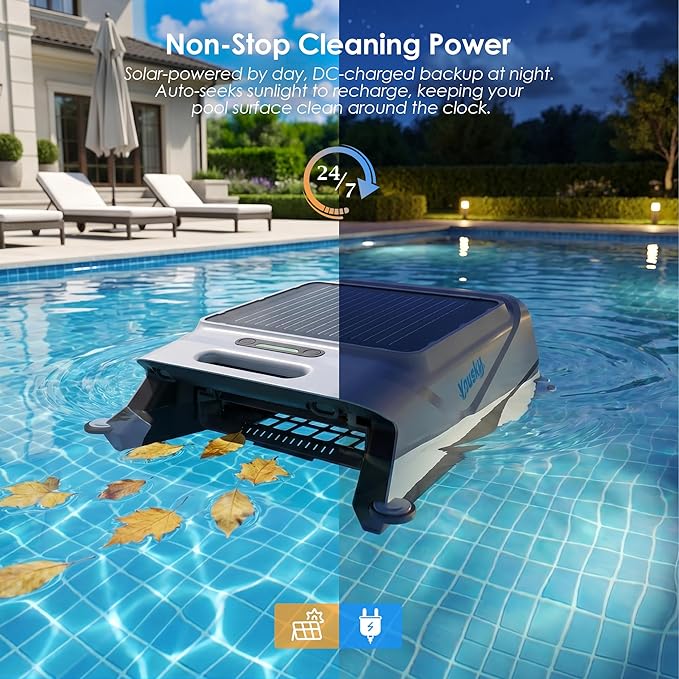
Surface cleaners or skimmer vacuums are designed to remove leaves, insects, and floating debris.
Common problems:
- Poor debris capture efficiency
- Floating instability or imbalance
- Basket overflow or blockage
- Wind sensitivity affecting movement
Root causes:
- Incorrect waterline calibration
- Overfilled debris baskets
- Lightweight design affected by waves or wind
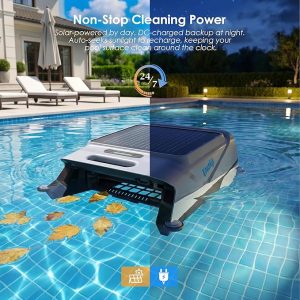
- Motor inconsistency in solar-powered models
Impact:
Debris sinks to the bottom, increasing long-term cleaning difficulty.
4. Handheld Pool Vacuums: Battery & Suction Performance Issues
Handheld pool vacuums are popular for spot cleaning, spas, and small pools.
Common problems:
- Short battery life or charging failure
- Weak or inconsistent suction
- Trigger or switch malfunction
- Seal leaks causing loss of pressure
Root causes:
- Battery aging or poor charging cycles
- Dirty filter cartridges
- Improper waterproof sealing
- Motor wear in low-cost units
Impact:
Users experience reduced portability benefits and frequent interruptions during cleaning.
5. Classic Leaf Vacuums: Hose Blockage & Structural Wear
Classic leaf vacuums are widely used in residential pools with heavy foliage.
Common problems:
- Frequent clogging from leaves and organic matter
- Cracked vacuum heads or mesh bags
- Reduced suction due to hose blockage
- Connection leaks at fittings
Root causes:
- Overloading with wet leaves
- Low-grade plastic materials
- Lack of pre-filter systems
- Improper storage under sun exposure
Impact:
Cleaning becomes labor-intensive and less efficient during peak autumn or storm seasons.
6. Hot Spa Pool Vacuums: Heat & Chemical Resistance Issues
Hot spa vacuums are specially designed for smaller, warm-water environments such as jacuzzis and spa pools.
Common problems:
- Seal degradation due to high temperature exposure
- Battery instability in heated water conditions
- Reduced suction in compact spa drains
- Material fatigue from chemical disinfectants
Root causes:
- Continuous exposure to warm chlorinated water
- Non-heat-resistant rubber components
- Limited motor cooling in compact design
Impact:
Shortened product lifespan and inconsistent performance in spa maintenance.
7. Universal Quality Issues Across All Pool Vacuums
Regardless of type, many pool vacuum problems are shared across the industry:
- Poor waterproof sealing leading to internal damage
- Motor inefficiency over time
- Filter system clogging
- Low-quality plastic cracking under UV exposure
- Insufficient after-sales maintenance support
These issues are often tied to manufacturing quality, material selection, and user maintenance habits.
8. How Manufacturers Are Improving Quality
Leading manufacturers—including brands like Yousky®—are actively addressing these issues through:
- Enhanced waterproof motor sealing systems
- AI-based navigation improvements for robotic cleaners
- High-capacity filtration baskets with anti-clog designs
- UV-resistant and heat-resistant materials
- Modular components for easier maintenance and replacement
The industry is moving toward smarter, more durable, and more energy-efficient pool cleaning systems that reduce long-term operational problems.
Sonuç
Pool vacuums—whether robotic, handheld, surface skimmers, classic leaf models, or hot spa cleaners—are highly effective tools, but each category comes with its own set of quality challenges. Understanding these issues helps users make better purchasing decisions and maintain their equipment more effectively.
As technology evolves, the next generation of pool vacuums is expected to become more reliable, intelligent, and maintenance-friendly, significantly reducing the common problems seen today.
-300x300.jpg)
.jpg)

 Turkish
  English
  French
  Italian
  German
  Spanish
  Polish
  Danish
  Indonesian
  Swedish
  Russian
  Portuguese